
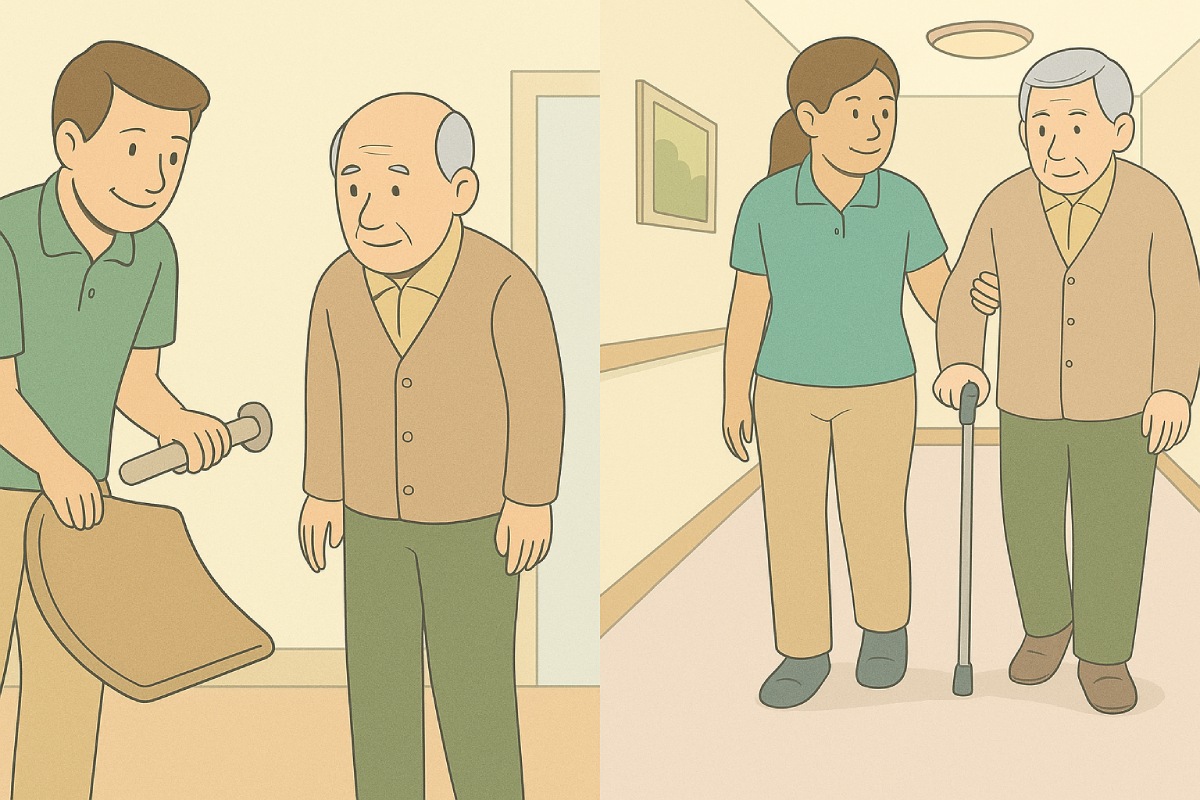
Caring for a senior with dementia at home can feel overwhelming, especially as memory, behavior, and daily functioning begin to change. However, with structure, patience, and the right approach, your loved one can continue living safely and comfortably at home.
This guide walks you through step-by-step methods, offering practical solutions families can use while also explaining when professional in-home support may be needed.
Method 1: Creating a Safe and Supportive Home Environment
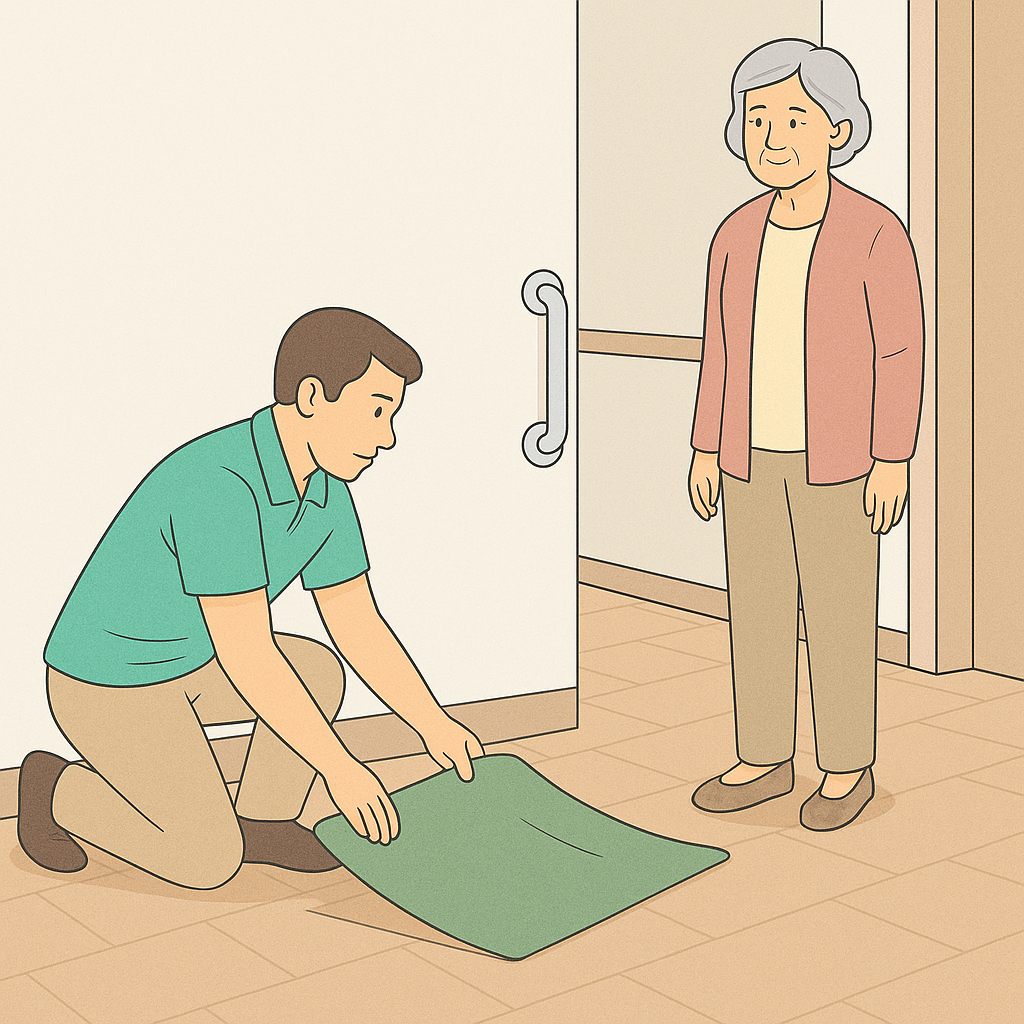
Step 1: Reduce safety hazards around the home.
Start by removing tripping risks, loose rugs, extra furniture, and clutter. Install grab bars in the bathroom, add night-lights in hallways, and make sure floors are clean and dry. As dementia progresses, vision and judgment decline, so a simplified environment reduces confusion and accidents.
Step 2: Label important areas and items.
Place clear labels on rooms, drawers, and cabinets. This helps seniors stay independent longer and reduces frustration when performing daily tasks like getting dressed or finding the bathroom.
Step 3: Establish a predictable daily routine.
Consistency reduces anxiety. Plan meals, bathing, medication time, rest, and activities at roughly the same times every day. A familiar rhythm provides emotional stability and helps manage behavioral changes.
Step 4: Create a calm space to prevent overstimulation.
Loud noises or crowded rooms can increase agitation. Keep the environment peaceful with soft lighting, familiar music, and comfortable seating.
Method 2: Supporting Daily Activities and Personal Care

Step 1: Assist with bathing, grooming, and dressing.
Break tasks into simple steps and offer verbal cues. Lay out clothing in the order it should be worn. Use calm, reassuring language if your loved one becomes anxious or confused during personal care.
Step 2: Encourage independence where possible.
Allow the senior to try tasks themselves before stepping in. This boosts confidence and preserves dignity. Offer only the amount of help needed.
Step 3: Help with meals and hydration.
Prepare simple, nutritious meals and encourage small, frequent drinks throughout the day. Dementia may affect appetite, swallowing, or the ability to recognize food, so gentle reminders and supervision help maintain nutrition.
Step 4: Ensure proper medication management.
Set reminders, use pill organizers, and monitor that medications are taken safely. As dementia progresses, missed doses and double-dosing become more common, so supervision is essential.
Method 3: Managing Memory Loss and Behavioral Changes
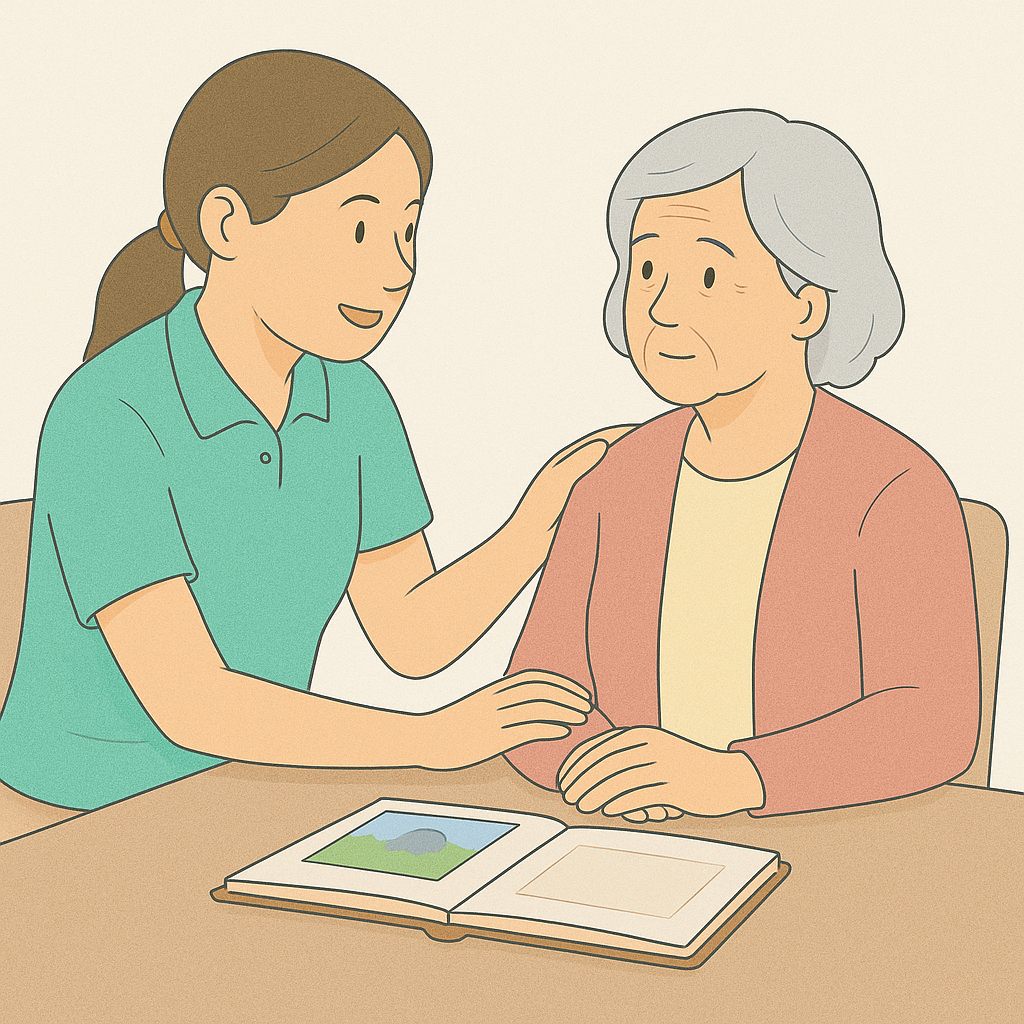
Step 1: Use simple, clear communication.
Speak slowly, use short sentences, and maintain eye contact. Avoid arguing or correcting harshly — instead, respond with patience and reassurance.
Step 2: Redirect rather than confront.
If the senior becomes agitated, gently steer the conversation or activity in another direction. Offer a snack, play music, go for a walk, or start a calming activity.
Step 3: Provide meaningful mental stimulation.
Activities such as photo albums, puzzles, gentle stretching, gardening, or listening to favorite music help stimulate memory and reduce restlessness.
Step 4: Monitor changes in mood or behavior.
Sudden changes may indicate pain, infection, dehydration, or medication issues. Track patterns and consult a healthcare professional if needed.
Method 4: Supporting Mobility, Exercise, and Physical Health
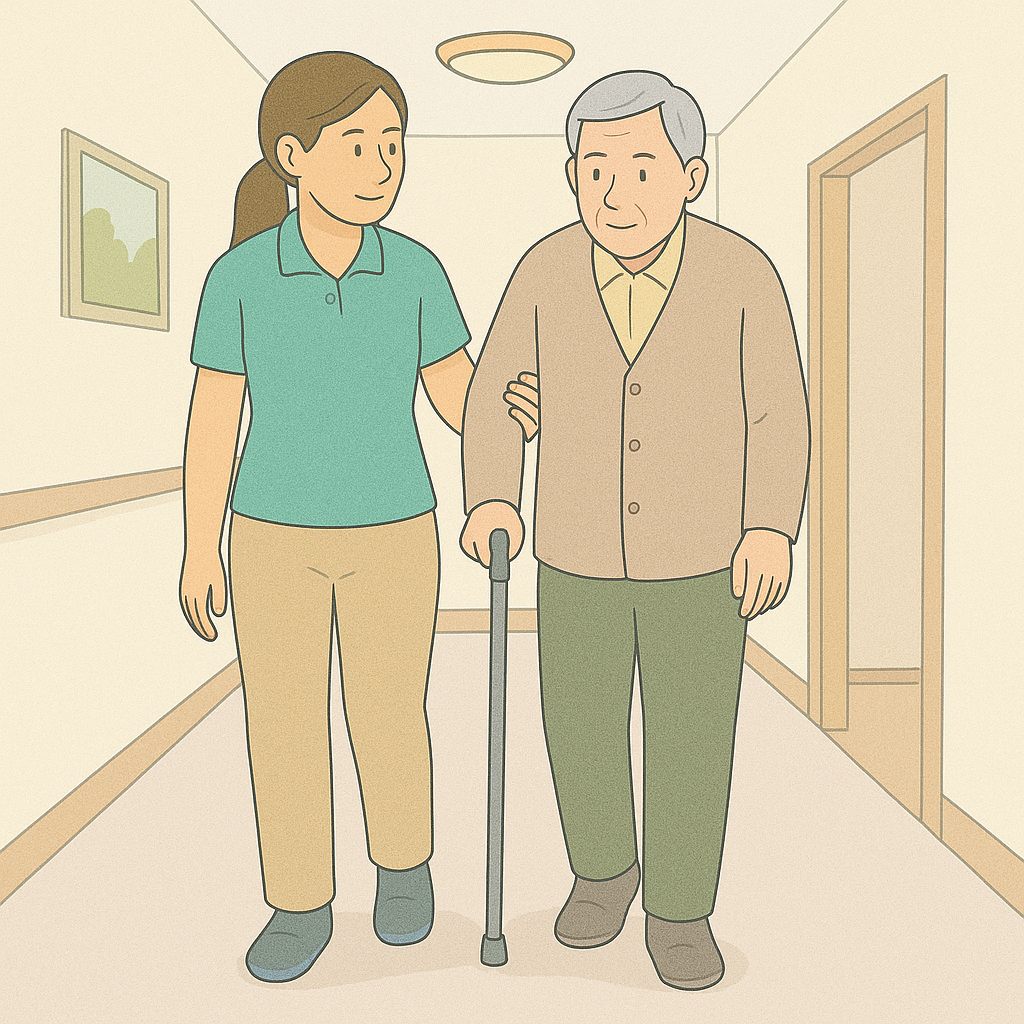
Step 1: Encourage gentle daily movement.
Short walks, stretching, or chair exercises help reduce stiffness and improve circulation. Movement also supports balance and reduces fall risk.
Step 2: Provide assistance when walking.
Walk beside your loved one, keeping a supportive hold if needed. Make sure pathways around the home are clear and well-lit.
Step 3: Watch for signs of weakness or imbalance.
Leaning, shuffling, or struggling to stand may indicate progression of dementia or other health concerns. Physical therapy at home can help maintain strength and mobility.
Method 5: Getting Support for Yourself and Your Loved One

Step 1: Recognize when caregiving becomes overwhelming.
Caring for someone with dementia is emotionally and physically demanding. Exhaustion, stress, or burnout are signs you need support.
Step 2: Seek respite or part-time home care.
Professional caregivers can assist with daily activities, companionship, mobility, bathing, meal prep, and medication reminders. This allows families time to rest while keeping seniors safe.
Step 3: Consider skilled care as dementia progresses.
In advanced stages, seniors may need 24-hour supervision for wandering, falls, incontinence, difficulty swallowing, or medical needs. Health at Home offers skilled nursing, physical therapy, occupational therapy, and dementia-trained caregivers to ensure comfort and safety at home.
Tips
- Speak with kindness, patience, and reassurance — tone matters more than words.
- Keep important documents accessible: medical records, medication lists, emergency contacts.
- Introduce activities slowly and keep them enjoyable, not stressful.
- Play familiar music to improve mood and reduce agitation.
Warnings
- Never leave a senior with dementia alone near stoves, heaters, sharp objects, or open doors.
- Do not force tasks — this increases fear and resistance.
- Contact a doctor immediately if there are sudden changes in behavior, confusion, or mobility.
Conclusion
Caring for a senior with dementia at home is a journey filled with challenges, learning, and moments of deep compassion. While the condition can change memory, behavior, and daily functioning, the right environment and support can make a meaningful difference in your loved one’s comfort and quality of life. By creating a safe home, maintaining a calm routine, offering patient communication, supporting mobility, and recognizing when to seek help, families can navigate dementia with confidence.
Remember, you don’t have to do it alone. Professional caregivers can provide essential support—whether it’s assistance with personal care, companionship, mobility, or skilled medical services. With the right combination of family involvement and expert guidance, seniors with dementia can continue living with dignity, safety, and warmth in the place they know best: their home.
If you need compassionate in-home dementia support, Health at Home is always here to help.