
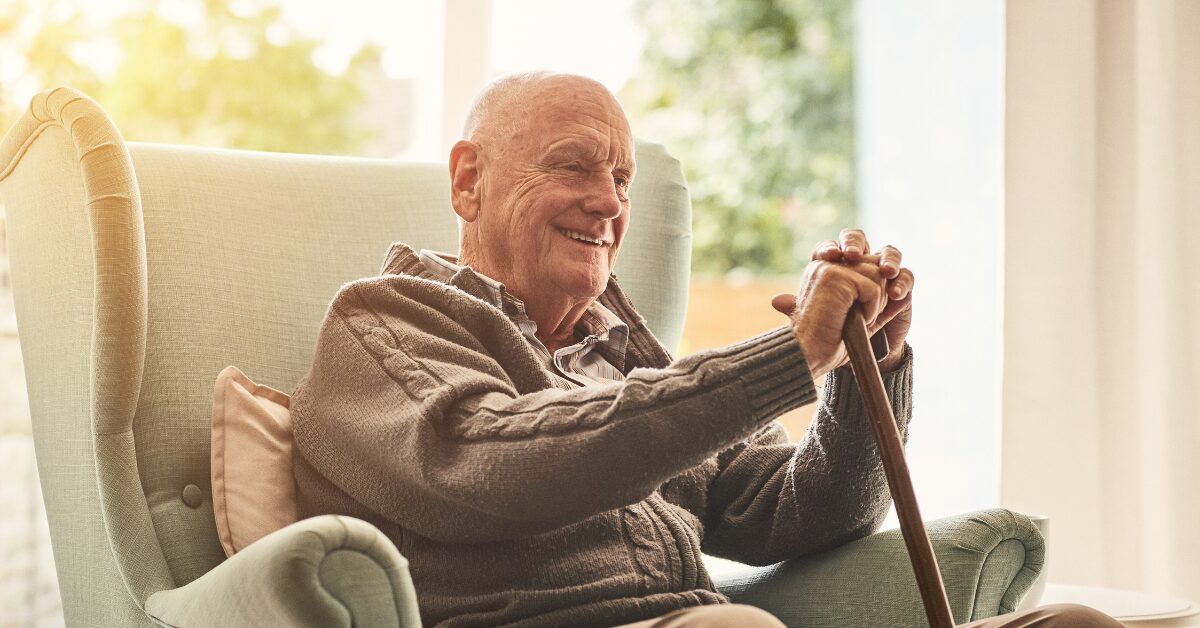
Aging in place means continuing to live at home as you grow older, rather than moving to an assisted living facility, nursing home, or another long-term care setting. For many older adults, that’s the goal.
AARP reports that 75% of adults aged 50 and older want to remain in their current home as long as possible, and 73% want to stay in their current community. Home offers privacy, familiarity, and a sense of control. It’s where the coffee mugs are in the right cabinet, where neighbors know each other by name, and where the day has a rhythm that still feels like their own. But aging in place is not successful simply because someone stays home.
It only works when the home, care plan, health needs, and family system can keep up. Without that structure, “staying home” can quietly turn into unsafe and unhappy living conditions. That’s why families need to think about aging in place as a care strategy, not just a preference.
The question is not only, “Does my loved one want to stay home?” It’s, “What needs to be in place for home to remain safe and supportive?”
Understanding What it Means to Age in Place
Aging in place is often defined as staying in your own home as you age. That definition is accurate, but incomplete. In real life, aging in place means adapting the home and support system around a person’s changing abilities. Someone may be independent today and need a higher level of care down the line.
A spouse may be able to assist with meals and errands for a while, then struggle when the needs become all-consuming or beyond their own capabilities. An adult child may want to help from another state, but can only do so if there is reliable communication and someone trustworthy inside the home.
Aging in place is not static. It changes as the person changes. Families who understand this early are usually better prepared. Families who wait until a fall, hospitalization, or crisis often have fewer options and more pressure.
Why Aging in Place Looks Different for Seniors in Florida
Florida has its own aging-in-place reality. According to the U.S. Census Bureau, 21.8% of Florida residents are age 65 or older.
People move here specifically for retirement and build lives around seasonality, senior communities, local physicians, faith groups, sports clubs, and family visits during certain times of year. Staying home can feel especially important because the home represents the life they chose after years of planning.
But Florida also creates challenges families can’t ignore. Many adult children live out of state and are trying to understand what’s happening in their parents’ lives from a phone call, a short visit, or a neighbor’s concern.
A parent may sound fine on the phone but be skipping meals, struggling with laundry, or becoming less steady in the shower. For snowbird families, care can become even more complicated when ways of life change between Florida and another home.
The climate matters too. Heat and humidity can affect hydration, energy, and fall risk, especially for older adults who already have mobility challenges, chronic conditions, or medication schedules that make them more vulnerable. Hurricane season also adds another layer of planning. Families need to know who will check on their loved one, whether medications and supplies are available, and what happens if power, transportation, or communication is disrupted.
In South Florida, aging in place involves making sure the right support is in place for the way people actually live here.
Is Aging in Place Right for You or Your Loved One?
Before making decisions about home modifications, care schedules, or long-term plans, start with a simple but honest question: Is daily life at home still working?
Not “Can they get by?” Not “Do they say they are fine?” Not “Can the family keep patching things together for a little longer?”
Is home still working in a way that protects health, dignity, safety, and quality of life?
Here is where families should look closely:
- Nutrition: Is your loved one eating regularly and drinking enough water?
- Personal care: Are bathing, dressing, grooming, and toileting still manageable?
- Mobility: Are they walking safely, using mobility devices correctly, and getting in and out of bed without difficulty?
- Medication routines: Are medications being taken correctly and consistently?
- Memory and judgment: Is forgetfulness affecting cooking, driving, hygiene, appointments, or safety?
- Social connection: Are they spending long stretches of the day alone?
- Family caregiver strain: Is one spouse, daughter, son, or neighbor carrying more than they can sustain?
These questions often reveal the difference between a home that still encourages independence and a home situation that needs more structure.
Why Home Modifications Are Only Part of the Plan
Home modifications are important. Grab bars, better lighting, clear walkways, shower chairs, non-slip surfaces, and accessible bathrooms can reduce risk and make routines easier. But home modifications do not replace care.
A grab bar doesn’t prepare dinner. A shower chair doesn’t notice that someone has stopped bathing. Better lighting doesn’t help a person with dementia who becomes confused after sunset.
That’s where families sometimes misjudge the situation. They improve the home, but daily life is still not working because the person needs extra hands and eyes, not just a safer layout. Growing old at home requires both an environment that reduces risk and a care plan that matches the person’s actual needs.
When Home Care Becomes Part of Aging in Place
Home care, which is when a caregiver comes to the house to assist a loved one, often becomes the difference between wanting to stay home and being able to stay home. At first, support may be simple. A caregiver may help with light housekeeping, laundry, meal preparation, errands, transportation, or companionship. That may be enough for a while.
Over time, the need may shift, requiring a bigger hourly commitment each week or even medical care. This is usually the point when families realize the current plan is not enough.
A trained caregiver can help with daily routines, but the value goes beyond task completion. A good caregiver notices patterns that indicate the wellbeing of a person. These professional observations help families make better decisions before small changes become emergencies.
Home care works best when it is introduced before the family is in crisis. It gives everyone time to build trust, establish routines, and adjust care as needs change.
Home Care vs. Home Health Care
Families researching aging in place often run into two similar-sounding terms that have two different functions. Home care and home health care aren’t the same.
Home care provides non-medical assistance with daily living. This may include help with:
- Bathing
- Dressing
- Grooming
- Toileting
- Companionship
- Meal preparation
- Light housekeeping
- Transportation
- Mobility assistance
- Medication reminders
Home health care is skilled clinical care provided at home. It’s often ordered by a physician after an illness, injury, surgery, hospitalization, or change in medical condition. This may include:
- Skilled nursing
- Physical therapy
- Occupational therapy
- Speech therapy
- Medical social work
Many families need both at different points. For example, someone recovering from surgery may need skilled nursing or therapy, but also need help bathing, preparing meals, and moving safely through the house.
When both types of care can be coordinated through one team, families do not have to start over every time the situation changes.

Signs A Loved One Needs Professional In-Home Care in Florida
Aging in place works best when the right system is in place before daily life becomes unmanageable. Professional in-home care may be needed when your loved one is:
- Missing meals or losing weight
- Struggling with bathing, dressing, grooming, or toileting
- Falling, nearly falling, or becoming afraid to move around the home
- Missing medications or becoming confused about routines
- Leaving chores, laundry, or dishes unfinished
- Becoming isolated or less engaged socially
- Calling family members more often because of anxiety or uncertainty
- Showing signs of dementia-related confusion, wandering, or sundowning
- Returning home from the hospital weaker than before
- Requiring more help than family members can safely or consistently provide
Family caregiver stress is also an important sign. If one person is managing meals, errands, hygiene, appointments, medications, overnight supervision, and emotional care, the plan may not be sustainable.
Is Aging at Home Always the Right Choice?
Aging in place can be a wonderful option, but it should never be assumed without a full evaluation. The right care plan depends on more than a loved one’s desire to stay home. Families also need to understand the person’s daily needs and whether the current setup can safely support them over time.
That’s why it’s important to speak with physicians, trusted sources, and several home care agencies before making a decision. Sometimes, staying home is the right choice with the proper care plan in place. Other times, families may need to reconsider the home environment, the level of supervision required, or how much one family caregiver can reasonably manage.
See What Aging in Place with Florida Home Care Could Look Like for Your Loved One
Wondering if home is still the right place for your loved one? Start with a free in-home assessment.
Health at Home serves families throughout Palm Beach County, Broward County, Martin County, St. Lucie County, and Indian River County. Our team will evaluate your loved one’s needs, home environment, and current support system, then help you understand what level of care makes sense.
With private duty caregiving and skilled nursing under one coordinated team, we make it easier to plan for today while staying prepared for what may change tomorrow. Schedule your free in-home assessment and get clear guidance from a Florida home care agency families trust.