


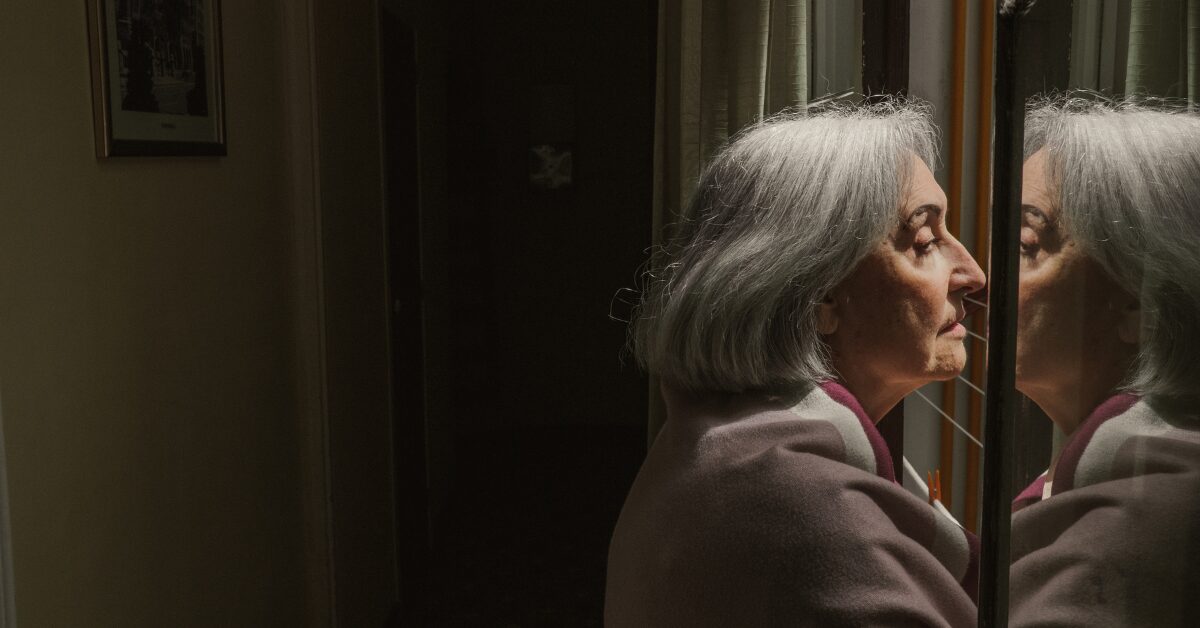
A dementia diagnosis has a way of stopping you in your tracks. One moment life feels familiar and manageable. The next, you are sitting with a word, a diagnosis, that changes the way you see the road ahead.
If your parent, spouse, or loved one has just been diagnosed, you may be feeling a complicated mix of fear, grief, and the pressure to figure out what comes next before you have even had time to process what just happened.
There is no single “right” way to respond. What matters is knowing that life does not suddenly become unrecognizable overnight. Many people living with dementia continue to experience stability, connection, and a sense of independence at home, especially with the right support in place.
Give Yourself and Your Family Time to Process
A diagnosis brings a lot of information at once, and it is easy to feel pressure to act on all of it immediately. Before anything else, give yourself and your family space to absorb what has happened. The decisions ahead will be clearer when they are made from a steady place rather than a reactive one.
Grief Is a Normal First Response
Before the to-do lists and the phone calls and the research, give yourself permission to feel what you are feeling.
For many, a loved one’s dementia diagnosis often triggers a kind of anticipatory grief. You might find yourself thinking ahead to what could change, or reflecting on shifts you have already quietly noticed over the past months. The emotional weight of the diagnosis, and the uncertainty of what comes next, can be significant even when your loved one is still in the early stages.
That response is not something to push aside. Giving yourself time to process what this means allows decisions to come from a more grounded, clear-headed place. There is no benefit in rushing through emotions that need to be acknowledged, and there is real value in making care decisions without urgency clouding your judgment.
Who to Tell and How to Start the Conversation
Deciding who to tell, and when, is a personal choice that looks different for every family. Some families share the news broadly right away and find comfort in the support that follows. Others start with one or two trusted people and expand the circle gradually.
When those conversations do happen, they are often less difficult than anticipated. Being honest about what you know, what you do not know yet, and how things may change opens the door for others to step in meaningfully, whether that means helping with appointments, checking in more often, or simply being a steady presence when you need one.
Give yourself permission to set boundaries, too. Processing a diagnosis is a vulnerable time, and you are under no obligation to share more than you and your family are comfortable with. You do not owe anyone details you are not ready to give. Sharing on your own terms, at your own pace, is entirely reasonable.
Understand the Dementia Diagnosis
Not all dementia is the same, and understanding what your loved one has been diagnosed with will shape everything from how you plan ahead to what kind of care makes the most sense. Taking time to learn about the specific diagnosis is one of the most practical things you can do early on.
Types of Dementia and What They Mean for Care Needs
Dementia is not a single condition. It’s an umbrella term that includes several distinct types, each with its own patterns, symptoms, and progression:
- Alzheimer’s disease is the most common form and typically begins with memory loss before affecting other cognitive functions.
- Vascular dementia, which often follows a stroke or series of small strokes, can cause more sudden changes.
- Lewy body dementia may present with movement-related symptoms alongside cognitive decline.
- Frontotemporal dementia often affects behavior and language before memory becomes a significant concern.
Understanding which type of dementia your loved one has been diagnosed with matters because it shapes what memory care and in-home care may look like over time. It also helps you ask better questions and set more realistic expectations as a family.
Questions to Ask the Diagnosing Doctor
It is completely normal to leave a diagnosis appointment realizing there were things you forgot to ask. These conversations rarely happen just once. They evolve over months and years as circumstances change.
Some questions worth bringing to your next appointment:
- What stage is the dementia currently, and what does typical progression look like?
- Are there medications or therapies that can help manage symptoms?
- What warning signs should prompt us to seek additional support or adjust care?
- When should we start thinking seriously about professional dementia care services?
- Are there local specialists, neurologists, or memory care programs you recommend?
Do not hesitate to bring a notebook or ask if you can record the conversation. There is a lot to absorb, and having it in writing helps.
Take Care of Legal and Financial Matters Early
Legal and financial planning may not feel urgent right after a diagnosis, but early-stage dementia is actually the best time to address these matters. Your loved one is still able to participate in decisions and express their own preferences, which makes the process significantly easier for everyone involved.
Power of Attorney and Advance Directives
One of the most important things you can do while your loved one is still able to participate meaningfully in these decisions is to address legal planning.
Documents like a durable power of attorney, healthcare surrogate designation, and advance directives ensure that your loved one’s wishes are documented clearly. They also reduce the potential for confusion or conflict among family members if decision-making becomes more difficult later on.
Many families feel uncomfortable raising these conversations, but most find that their loved one appreciates the opportunity to have a voice in their own future care. An elder law attorney can help guide the process and make sure everything is properly established.
Reviewing Finances and Insurance Benefits
As dementia care needs grow over time, so can the associated costs. Taking an early look at your loved one’s financial picture helps you plan proactively rather than reactively.
Review savings, retirement income, and any existing insurance policies. Some families discover long-term care insurance they had forgotten about. Others begin exploring Florida Medicare or Veterans’ benefits that may help cover ongoing dementia care services. The goal is not to anticipate every expense, but to understand what resources are available before they are urgently needed.
Create a Safe and Supportive Home Environment
Home modifications do not need to happen all at once. In the early stages, a few targeted changes are often enough. As dementia progresses and needs evolve, adjustments can be made incrementally so that the environment continues to support safety without feeling abrupt or unfamiliar.
Home Safety Modifications for Early-Stage Dementia
Home is where your loved one feels most comfortable and most like themselves. Keeping them there safely is a priority for most families, and it is an achievable one with some practical adjustments.
Small changes can make a significant difference:
- Remove loose area rugs that could cause falls
- Improve lighting in hallways, bathrooms, and stairways
- Install grab bars near the toilet and in the shower
- Secure entry doors to prevent wandering
- Label cabinets and drawers to reduce confusion
- Store medications, cleaning products, and sharp items out of reach
These modifications do not have to be disruptive or institutional-looking. Many can be made quietly and practically, preserving the feel of home while meaningfully improving safety.
Maintaining Independence and Dignity at Home
A dementia diagnosis does not erase who your family member is. Their personality, preferences, and sense of self are still very much present, especially in the earlier stages, and protecting their independence matters.
Allowing extra time for tasks rather than stepping in too quickly, keeping familiar routines intact, and focusing on what they can still do rather than what has changed all contribute to a stronger sense of dignity and confidence. These choices accumulate and support quality of life.

How Professional In-Home Dementia Care Can Help
At a certain point, support from family alone can start to feel like it is no longer enough to keep up with changing needs. As routines become harder to maintain, supervision becomes more necessary, and small gaps in care begin to show.
This is a normal part of caring for someone with dementia, and it’s exactly where professional in-home dementia care can make a meaningful difference.
Rather than replacing what’s already working, professional care reinforces it. It adds structure where things feel inconsistent, provides hands-on support where tasks are becoming difficult, and brings reassurance to both your loved one and your family. They stay in the home they know, surrounded by familiar people and routines, with added support to keep each day manageable.
Consistent Activities, Routines, and Cognitive Support
Structure becomes increasingly important as dementia progresses. Predictable routines can reduce confusion and create a sense of stability throughout the day. Caregivers trained in memory care understand how to build that structure in a way that feels natural rather than restrictive.
This might include simple cognitive activities, familiar daily rhythms, and gentle redirection when confusion arises. Remaining at home while receiving this level of support allows individuals to stay in an environment that feels known and reassuring.
What Dementia Care Looks Like Day to Day
Dementia care is not a single service. It is a combination of support that grows and adapts alongside your loved one.
On any given day, that might include:
- Personal care: bathing, grooming, dressing, and toileting, approached with dignity and patience
- Mobility assistance: helping your loved one move safely through their home
- Meal preparation: ensuring consistent, nutritious meals that align with any dietary needs
- Light housekeeping: keeping the home clean, organized, and safe
- Medication reminders: maintaining consistent routines and flagging concerns
- Transportation: accompanying your loved one to appointments and errands
- Structured daily rhythms: reducing confusion through predictability and familiarity
- Companionship: providing genuine connection throughout the day
Every care plan is built around the individual, their history, their personality, their preferences, not a generic checklist.
Consistent Routines and Cognitive Support
Predictability becomes increasingly important as dementia progresses. Familiar daily rhythms, like meals at the same time, consistent morning routines, and regular activities, can significantly reduce confusion and anxiety.
Caregivers trained in memory care know how to build and maintain that structure in a way that feels natural rather than rigid. This includes cognitive engagement, familiar activities, and calm redirection when confusion arises. A consistent caregiver brings real stability to your loved one’s day.
Personal Care With Patience and Respect
Bathing, grooming, dressing, and toileting can gradually become more difficult for someone living with dementia, and more emotionally complex for the family members trying to help.
Private duty caregivers are trained to approach these moments with patience, sensitivity, and respect. They adapt to your loved one’s pace and preferences, supporting essential care needs in a way that feels calm and dignified rather than rushed or clinical.
Medication Management
Even in early-stage dementia, keeping up with medications can become inconsistent. Missed doses or incorrect timing can create health complications that are avoidable with the right oversight.
A caregiver can provide reliable reminders, monitor medication routines, and flag concerns to your loved one’s healthcare provider when something seems off. That layer of accountability protects your loved one’s health and gives your family greater peace of mind.
Companionship and Emotional Connection
Dementia can be isolating. As communication becomes more challenging, some individuals begin to withdraw, spending more time alone and less engaged with the people around them.
Regular companionship from a consistent caregiver makes a real difference. Conversation, shared activities, music, or simply being present together can help your loved one feel connected and less alone. Emotional support is not secondary to physical care. It is equally important.
Understanding In-Home Care Options: Private Duty and Skilled Nursing
As dementia progresses, care needs often shift. It helps to understand the different types of support available so you can plan accordingly.
Private duty care covers non-medical, day-to-day assistance: personal care, companionship, light housekeeping, meal preparation, transportation, and medication reminders. This type of care focuses on comfort, routine, and quality of daily life.
Skilled nursing care involves clinical services provided by licensed nurses, such as wound care, medication management at a clinical level, health monitoring, and coordination with physicians. It becomes relevant when a medical condition requires ongoing professional oversight.
Many families find that both types of care are needed at different points, and sometimes simultaneously. Working with a provider who offers both under one roof, like Health at Home, simplifies that transition significantly, eliminating the need to coordinate between multiple agencies as needs evolve.
Dementia Care Services in Florida from Health at Home
Choosing the right in-home care provider is one of the most important decisions your family will make. Health at Home was built to give families a better experience, from the first conversation through every stage of care.
Here is what sets Health at Home apart:
- We are a licensed agency, not a registry. Every caregiver is employed directly by Health at Home, fully screened, background checked, and fingerprinted before they ever enter your home. They wear our uniform and are managed by our team, so you always know who is responsible for your loved one’s care.
- We provide both skilled and non-skilled care. From companion care and personal assistance to skilled nursing services, everything is available through one provider. Your family does not have to manage multiple agencies or hand off care between companies as needs change.
- We are Medicare Certified and ACHC Accredited, reflecting our commitment to meeting the highest standards in home health care.
- We have more than 25 years of experience serving South Florida families, with over 100 five-star Google reviews from families who have trusted us with their loved ones’ care.
- The same caregiver stays with your loved one throughout their care with clear communication in the event of a change in provider. Consistency matters deeply in dementia care, and we prioritize it.
- We offer around-the-clock care, including overnight and 24-hour support for families who need it.
- We offer a free in-home clinical assessment and free care consultations with our home care coordinators, so you can get answers and a clear plan before committing to anything.
Where We Serve
Health at Home provides in-home dementia care throughout Palm Beach County, Broward County, Martin County, St. Lucie County, and Indian River County.
Being locally based matters. Our care coordinators and caregivers know these communities, the healthcare systems, the local specialists, and the resources available to families in each area. When your loved one’s needs change, we can respond quickly. When coordination with a local physician or specialist is needed, we are already familiar with the landscape.
Families are not left navigating multiple agencies or piecing together care from different sources. Whether your loved one needs a few hours of support each week or comprehensive daily care, our services are designed to work together as one consistent experience.
Schedule a Free In-Home Dementia Care Assessment in Florida
If you are not sure where to begin, a care assessment is the right first step. Health at Home offers a complimentary in-home assessment where a care coordinator visits your loved one’s home, observes the environment, and takes the time to understand what daily life actually looks like, where things are manageable and where additional support would help.
These conversations tend to be more thorough than families expect. It is not just a checklist of medical needs. It is a real conversation about routines, challenges, family dynamics, and what kind of support makes sense for your situation. From there, a personalized care plan begins to take shape.
There is no pressure and no obligation. Many families find that the assessment alone brings clarity, even if they are not ready to start services right away. When you are ready, the groundwork is already in place, and getting started feels much more straightforward.
Reach out today to learn more.