
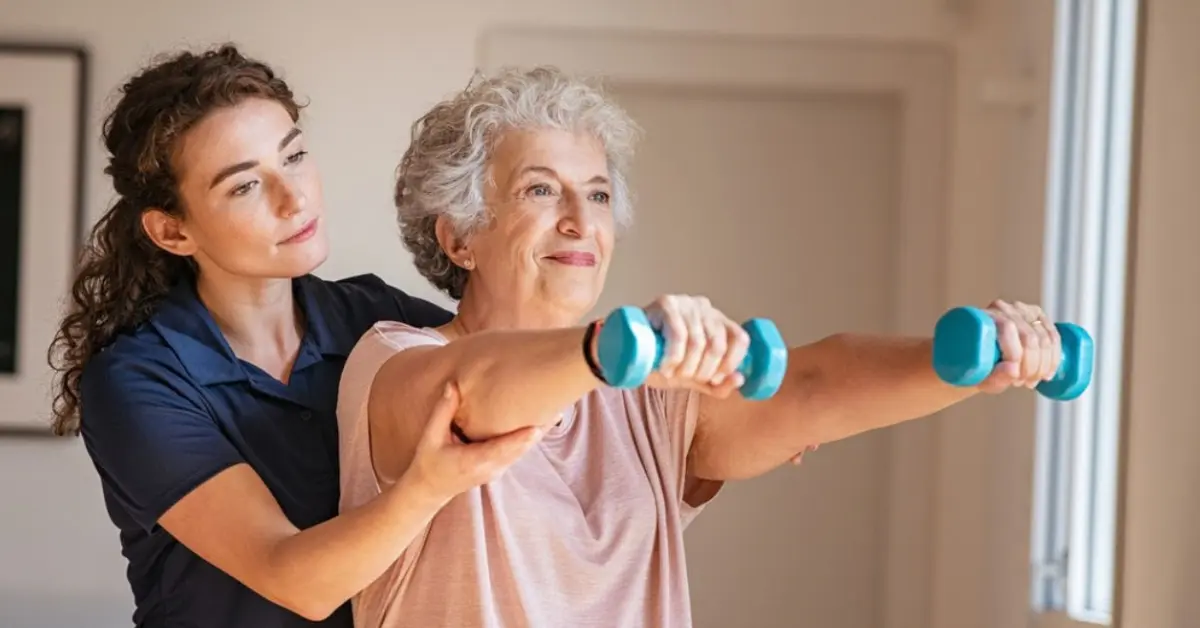
Coming home after a stroke can feel like a major milestone. It can also be the moment when you realize just how much of recovery happens after the hospital.
Things your loved one used to do without thinking twice, like getting dressed, making breakfast, walking to the bathroom, or carrying on a conversation, may suddenly take more time or require some help.
At the same time, you may be learning how to support them while keeping track of medications, appointments, therapy, follow-up care, and changes in how they’re feeling or functioning.
It’s a lot to take on.
The good news is that your family doesn’t have to figure out every part of recovery alone. Home care for stroke survivors can provide both everyday support and, when appropriate, skilled healthcare that helps your loved one continue recovering in the place they know best.
What Can Stroke Recovery at Home Look Like?
A stroke doesn’t affect everyone in the same way, so recovery can look very different from one person to the next.
Your loved one may experience changes in movement, balance, speech, swallowing, memory, attention, vision, emotions, or their ability to complete everyday activities. Some people regain much of their previous function, while others adjust to longer-term changes.
Recovery doesn’t always follow a predictable timeline, either. Progress can continue for months or even years.
That’s why coming home doesn’t necessarily mean rehabilitation is over. It may simply mean recovery starts becoming part of everyday life.
Your loved one might be working on walking more steadily, getting dressed with less assistance, communicating differently, rebuilding strength, or adapting familiar routines around what they can safely do now.
And once they’re home, you may start noticing challenges that weren’t as obvious in a hospital or rehabilitation setting.
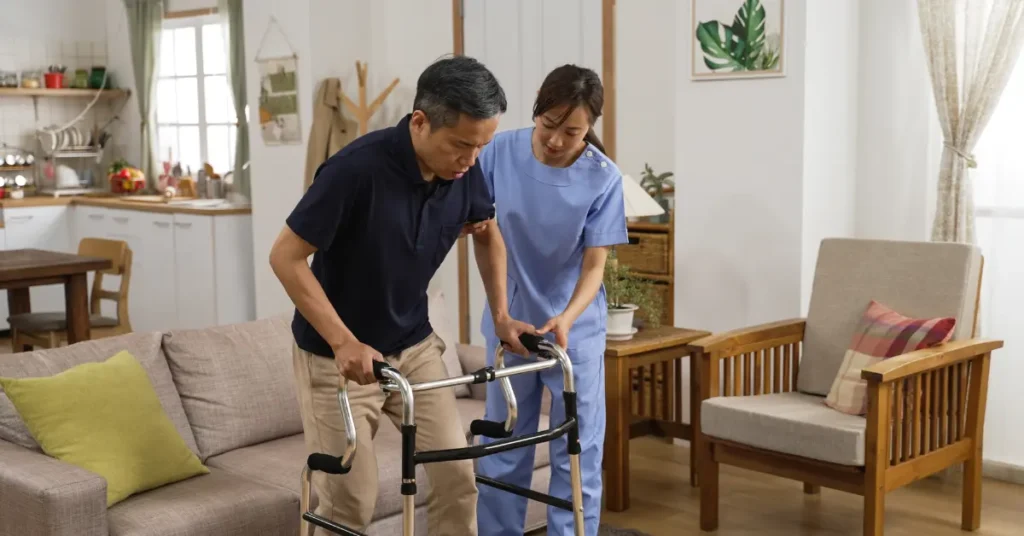
A hallway may feel different with a walker. Getting into the shower may require assistance. Preparing lunch can become difficult when one side of the body is weaker. Someone with aphasia may know exactly what they want to say but struggle to express it.
This is often where having the right support at home becomes important.
How Does Home Care Help Stroke Survivors Recover at Home?
Home care for stroke survivors is meant to support the life your loved one is rebuilding, not take it over.
With that, the amount and type of help can vary significantly.
One person may need a caregiver for the morning hours a day to help with bathing, preparing meals, or getting safely through the morning routine. Another may need more consistent assistance with mobility, personal care, supervision, and household tasks.
Your loved one may also need skilled nursing or rehabilitation services at home as part of their recovery.
The right plan depends on how the stroke affected them, what they can safely do independently, what their healthcare providers recommend, and how much support your family can realistically provide.
What Does Home Care for Stroke Survivors Include?
Depending on your loved one’s needs, home care for stroke survivors may include a combination of private-duty caregiving and skilled home health services.
Some services help make everyday life safer and more manageable. Others address specific medical or rehabilitation needs.
Personal Care
Weakness, balance problems, fatigue, or reduced coordination can make bathing, dressing, grooming, toileting, and other personal routines more difficult.
A caregiver can provide hands-on assistance where it’s needed while still allowing your loved one to participate in what they can safely do for themselves.
Maintaining that involvement can be important. The goal isn’t to automatically do everything for your loved one, but to provide enough support for everyday routines to feel safer and more manageable.
Companion Care
Stroke recovery can mean spending more time at home, especially if your loved one isn’t yet driving, going out independently, or participating in their normal activities.
Companion care can provide a familiar presence throughout the day while also helping with practical needs. For families who can’t be there throughout the day, this can also provide greater consistency at home.
Skilled Nursing
Some stroke survivors have medical needs that require skilled nursing at home.
Depending on the individual care plan and healthcare provider’s orders, skilled nursing may include clinical monitoring, medication-related support, education, and other medically necessary nursing services.
Physical Therapy After a Stroke
Physical therapy may help your loved one work on strength, balance, coordination, walking, mobility, and movement.
The specific goals will depend on how the stroke affected them and what their physical therapist determines is appropriate for their recovery.
Occupational Therapy After a Stroke
Occupational therapy focuses on helping your loved one function more safely and independently in everyday life.
That might include working on dressing, bathing, eating, writing, moving through the home, or finding different ways to complete familiar tasks.
An occupational therapist may also recommend changes to the home or adjustments to routines based on your loved one’s current abilities.
Speech Therapy After a Stroke
A stroke can affect speech and so much more. A speech therapist may work with your loved one on changes involving language, communication, cognition, or swallowing, depending on their needs.
Not every stroke survivor will need all of these services. Some may primarily need help with everyday life. Others may need skilled home health care and rehabilitation. Many families may need a combination that changes as recovery progresses.
Emotional Support Is Part of Life After a Stroke
A stroke can affect much more than physical ability.
Someone who was highly independent may find it difficult to suddenly need help. Communication changes can be frustrating. Fatigue can limit activities they used to enjoy. And when so much attention is being placed on appointments, therapy, medications, and recovery goals, life can start feeling very clinical.
That’s another reason companion care can be valuable. Professional home care for stroke survivors can bring patience, conversation, encouragement, and another familiar person into the week.
Sometimes that means helping your loved one get ready for therapy. Sometimes it’s taking a walk together or enjoying a favorite activity.
And sometimes it’s simply sitting down for lunch and having a normal conversation that has absolutely nothing to do with stroke recovery.
How Can Home Care Help Family Caregivers After a Stroke?
When someone you love has a stroke, your first instinct may be to handle as much as you possibly can yourself. But recovery can be long, and the rest of life doesn’t stop.
You may still be working, raising children, taking care of a household, coordinating appointments, or trying to keep up with your own responsibilities.
Home care doesn’t have to replace the role you play in your loved one’s life. It can make that role more sustainable.
A caregiver might handle the morning routine while you get ready for work. Someone may stay with your parent while you run errands. For a long-distance family caregiver, having consistent professional support nearby can provide another reliable presence in the home.
It can give you more opportunities to simply be their spouse, daughter, son, sibling, or friend rather than having every visit revolve around caregiving tasks.
When Should You Consider Home Care for a Stroke Survivor?
You don’t have to wait until your loved one is already home and struggling to start thinking about care. If possible, begin the conversation before discharge so you have a clearer idea of what daily life may require.
Home care for stroke survivors may be worth exploring if your loved one:
- Needs help with bathing, dressing, grooming, or toileting
- Has difficulty walking or moving around the home safely
- Needs help with transfers
- Requires supervision or support during certain parts of the day
- Has trouble preparing meals or keeping up with household routines
- Will continue rehabilitation at home
- Has cognitive or communication changes that affect everyday activities
- Needs more support than family members can safely or consistently provide
- Would benefit from companionship and greater consistency at home
You’ll also want to consider how much help your family can realistically provide. There’s a difference between being willing to help and being able to provide hands-on care safely every day for weeks or months.
In Need for Home Care for Stroke Survivors in South Florida? Start With a Free In-Home Care Assessment
You don’t need to know exactly what type of home care your loved one needs before you call Health at Home.
Our free in-home assessment gives us a chance to meet with you, understand what your family is experiencing, and help you determine what kind of support may make sense. Recovery may change what everyday life looks like, but the right home care team can make this new chapter feel more comfortable and manageable.