
24-HOUR HOME CARE · IN-HOME · SOUTHEAST FLORIDA
Dementia & Alzheimer's Patients
- Medicare Certified
- ACHC Accredited
- 25+ Years Serving Florida
Clinically reviewed by Carissa Grone, BSN, RN · Last reviewed November 6, 2026
Memory Care, in Home.
Memory loss often begins subtly. A missed appointment. A forgotten conversation. The same question asked several times in an afternoon. Over time, those small moments can grow into larger concerns, including medication mistakes, safety risks, changes in behavior, and increasing caregiving responsibilities for family members.
A dementia diagnosis affects far more than memory. It changes daily routines, family dynamics, and the way loved ones support one another. As needs evolve, many families find themselves searching for the right balance between maintaining safety and preserving the dignity, comfort, and quality of life their loved one deserves.
Health at Home provides the guidance, support, and specialized care that make that balance possible.
For more than 25 years, we’ve helped families throughout Palm Beach County, Broward County, Martin County, Indian River County, and St. Lucie County navigate Alzheimer’s disease and other forms of dementia with compassionate in-home support, skilled nursing, and personalized care plans that evolve alongside changing needs.
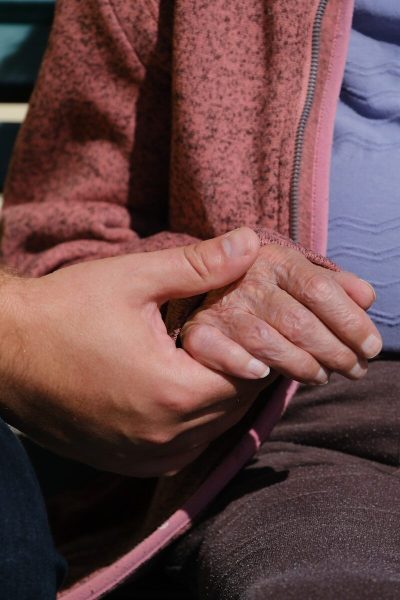
The Benefits of Dementia Care at Home
For many individuals living with dementia, familiar surroundings provide an important sense of stability. Remaining at home allows them to continue following established routines, interacting with familiar people, and staying connected to the environment they’ve known for years.
Research has shown that consistency and routine can help reduce confusion, anxiety, and distress for individuals living with dementia. With the right support in place, home-based dementia care can help:
- Maintain familiar routines that create comfort and predictability
- Reduce confusion and anxiety caused by unfamiliar environments
- Encourage meaningful engagement and social connection
- Support safety while preserving dignity and independence
- Provide consistency through trusted caregivers and family involvement
- Improve quality of life for both individuals and family caregivers
How Health at Home Helps Families Navigate Dementia
Dementia care is rarely about solving a single problem. It’s about responding to a series of changes that unfold over time.
In the early stages, a loved one may need occasional reminders, transportation assistance, or help maintaining routines. As the disease progresses, families often face new concerns related to safety, personal care, wandering, medication management, and caregiver burnout. What starts as a few hours of support each week can gradually evolve into more comprehensive care needs.
At Health at Home, we provide a coordinated range of home care and healthcare services that adapt alongside those changes, helping families access the right support at the right time.
-
Specialized Dementia Care
Our caregivers understand the unique challenges associated with memory loss, including confusion, wandering, sundowning, communication difficulties, and behavioral changes. Care plans are designed to support both safety and quality of life.
-
Personal Care
As dementia progresses, everyday tasks may become more difficult or confusing. We provide respectful assistance with bathing, dressing, grooming, toileting, and mobility while preserving dignity and encouraging participation whenever possible.
-
Companion Care
Meaningful engagement can play an important role in emotional well-being. Our caregivers provide conversation, activities, companionship, and social interaction tailored to each individual's interests and abilities.
-
Household Duties
Maintaining a safe, comfortable environment becomes increasingly important. We assist with meal preparation, light housekeeping, laundry, grocery shopping, and other daily responsibilities.
-
24-Hour Home Care
Whether your loved one needs a few hours of supervision each week or around-the-clock support, we provide flexible care options that adapt as needs change.
-
Skilled Nursing
Many individuals living with dementia are also managing chronic health conditions. Our nurses provide clinical oversight, medication support, health monitoring, and skilled care when needed.
“The service provided by Health at Home truly goes above and beyond for its clients. The customer service is top notch and the quality of care provided by the nurses and aids is very compassionate. Beyond this, if I ever had any questions, every staff member I interacted with over the phone was more than helpful and understanding.”
Natalia
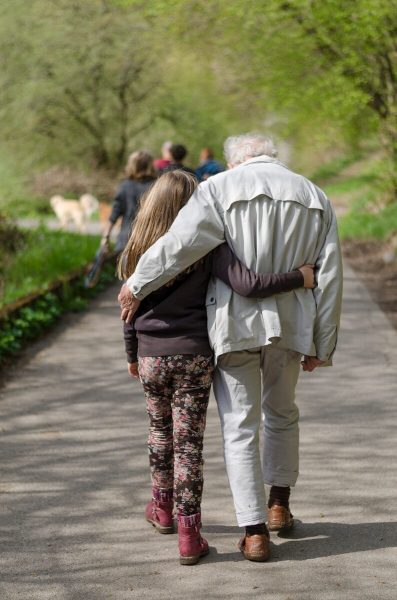
When Caregiving Starts to Feel Unmanageable, We’re Here for You
Few people feel prepared for the personal impact of caring for someone living with dementia.
Many family caregivers carry a quiet sense of responsibility, constantly wondering if they’re making the right decisions, doing enough, or missing something important. It’s not uncommon to feel pulled between wanting to be there for your loved one and recognizing that you can’t do it all on your own.
If you’ve reached a point where you’re considering additional support, it doesn’t mean you’re giving up. It doesn’t mean you’re any less devoted to your loved one. Finding in-home care for your family member is an act of love. Recognizing when it is time for help is putting your loved one’s, and your, wellbeing first.
At Health at Home, we’re here to support not only the individual living with dementia, but the family members walking alongside them. Sometimes the greatest benefit of professional care is knowing that someone is there to share the responsibility, offer guidance, and help you continue showing up for your loved one in the ways that matter most.
Why Families Choose Health at Home
Families facing dementia in Florida need more than occasional assistance. They need a care team that understands the disease, recognizes changes early, and knows how to adapt support as needs evolve.
Most importantly, we understand that behind every dementia diagnosis is a family doing their best to navigate an incredibly challenging situation. Our role is to provide support, expertise, and reassurance every step of the way.
Families trust Health at Home because we offer:
- Personalized dementia care plans tailored to each stage of the journey
- Caregivers experienced in supporting individuals with memory loss
- Skilled nursing and home care services under one organization
- Flexible care options, from occasional visits to 24-hour support
- Ongoing communication and family updates
- Guidance navigating community resources and care decisions

Dementia and Alzheimer's FAQs
We just got the diagnosis. What should we do first?
Handle the legal and financial paperwork while your loved one can still participate: power of attorney, healthcare surrogate, and access to accounts.
Families who delay this end up in guardianship proceedings, which are expensive, slow and public. Once that is done, get an honest read on the home’s safety and build a care plan that can scale up, because it will need to.
How long can someone with dementia stay at home?
Longer than most families expect, provided the support scales with the disease. An estimated 580,000 Floridians aged 65 and older are living with Alzheimer’s, and most of them are at home.
The usual breaking point is not memory loss. It is the combination of nighttime wandering, incontinence and caregiver exhaustion. Around-the-clock shift care at home is a genuine alternative to placement at that stage, and for many families it is the one they prefer.
When should we take the car keys away?
Earlier than it feels comfortable to. Driving depends on split-second judgment, which dementia affects well before it affects the memory in ways families notice.
Ask the physician to make the call so it is a medical decision rather than a family argument. Arrange transportation first, so what you are removing is the driving rather than the independence. Caregivers drive clients in the client’s own vehicle.
Is it normal to feel resentful or exhausted?
Yes, and it is close to universal. Florida has roughly 877,000 unpaid family and friend dementia caregivers providing about 1.4 billion hours of care a year.
Dementia care runs for years and does not let up, and burnout is a practical risk to the person being cared for rather than a character flaw in the person giving it. Bringing in paid hours is very often what makes the family caregiver able to continue at all.
Should we correct them when they say something untrue?
Generally no. Arguing with a dementia patient about facts produces distress without changing the belief, and the distress outlasts the conversation.
Redirection works better: acknowledge the feeling, then move the conversation or the activity. Our caregivers are trained in this and it is usually the first thing families notice about them. It is also teachable, and most families pick it up within a few weeks of watching.
How do we know when home is no longer safe?
When the behaviors a facility would manage are happening and nobody is there to manage them: wandering outside at night, aggression that puts someone at risk, or a primary caregiver who can no longer function.
An RN can give you an honest assessment, including the cases where the answer is more hours rather than placement. The question is rarely home versus facility in the abstract. It is whether the hours at home match what the stage now requires.
Does insurance pay for any of this?
Medicare may cover intermittent skilled home health visits when a physician orders them and the criteria are met. It does not cover the daily supervision dementia requires.
That portion is paid privately, often from a long-term care insurance policy or VA Aid and Attendance for eligible veterans and surviving spouses. We supply the documentation long-term care policies require for reimbursement. We are a private pay agency and do not bill Florida Medicaid.
Schedule a Free In-Home Dementia Care Assessment
A dementia diagnosis can leave Florida families with more questions than answers. The good news is that you don’t have to figure everything out on your own. Whether your loved one was recently diagnosed or you’re beginning to notice changes that concern you, our team can help assess the situation, identify opportunities for support, and create a personalized care plan designed.
Contact Health at Home today to schedule a free assessment and learn how in-home dementia care can help your loved one remain safe, engaged, and supported in the comfort of home.