
Click here to apply to be a caregiver

Caring for an Aging Parent

Everything you need to know about getting your loved one the professional in-home care they deserve, from recognizing the signs they need help to finding the right home care agency in Southeast Florida.

WHY IN-HOME CARE IN FLORIDA?

Your Parent Wants to Stay Home.
You Want Them to Stay Safe.

If you’re reading this, you’re likely at an important yet difficult transition time in life. Maybe you’ve noticed your parent moving a little slower, or you caught something off during your last visit that you can’t quite shake. Maybe there was a fall, a close call, or a conversation that’s been weighing on you ever since. It’s time to look for senior care in Florida.

You’re not looking for a nursing home that takes them away from the life they’ve built. Neither is your parent. What you want is for them to stay in the home they’ve lived in, surrounded by the things they love, with their sense of self still intact.

But wanting that and making it work safely are two different things. And somewhere between those two is where families like yours find Health at Home for in-home care.

In-home care fills in the gaps that grow as they age and creates a sense of normalcy, like making their morning routine less exhausting, ensuring medications don’t get missed, and keeping the hours of the day when no one’s around and anything could happen safe. It’s about giving you both something back. Your parent gets their independence, and you the ability to breathe again.

Health at Home has helped hundreds of Southeast Florida families through exactly this moment, and we’re ready to help yours too. Whether you’re just starting to notice the signs or you’re ready to make a call today, this guide is here to walk you through every step.

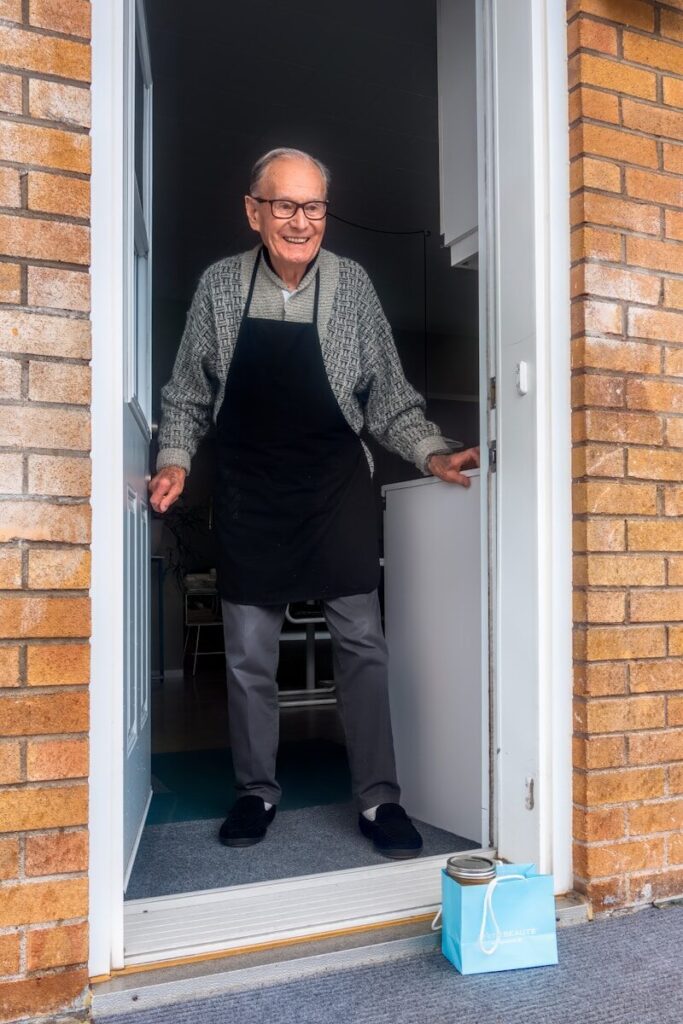
man in black vest and black dress pants standing beside white wooden door

Recognizing When Your Parents Need In-Home Care

The transition to needing help at home doesn’t always come after an injury, fall, or hospitalization. More often, you notice a slow accumulation of small changes. Knowing what to look for is the first step to getting ahead of a crisis.

Neglected Household Tasks

Unwashed dishes, expired food in the fridge, or piles of unopened mail.

Missed Medications

Skipping doses or confusing prescriptions is a common and dangerous pattern.

Mobility & Fall Risk

Difficulty getting up, unexplained bruises, or recent falls at home.

Social Withdrawal

Pulling away from friends, hobbies, or activities they once loved

Unexplained Weight Loss

Skipping meals, difficulty cooking, or losing interest in eating.

The Types of In-Home Care Available

In-home care isn’t one-size-fits-all. At Health at Home, we offer private duty and home health care in Florida. Depending on your parent’s needs, health conditions, and daily routine, one or more of these care types may be right for them. 

Companion Care

Conversation, light housekeeping, errand support, and friendly presence for seniors who are mostly independent.

Personal Care

Hands-on help with bathing, dressing, grooming, and other daily activities of living.

24-Hour Live-In Care

Around-the-clock support for seniors who cannot safely be left alone at any hour.

Skilled Nursing

Medically supervised care including wound care, injections, and chronic disease management.

Post-Surgical Care

Recovery support after a hospitalization to prevent readmission and encourage healing.

FOR ADULT CHILDREN & FAMILY CAREGIVERS

In-Home Care in Florida that Evolves With Your Parent

Whatever your parent is going through right now, there’s a level of care designed for exactly that moment and to evolve as their needs do. Whether they need a little help throughout the week or 24/7 home care, we’re here to make staying home feel safe again.

Helpful Guides for Families Navigating In-Home Care

The more you understand your options, the better decisions you can make for your parent. Explore real answers to your questions, thoughtfully put together by our care team.

The Importance of 24-Hour Home Care for Aging Parents

There comes a point when “checking in” with an aging parent is no longer enough. At first, the changes may be small enough to explain away. But over time, those little moments start to collect. They become the things you replay on the drive home, talk about quietly with siblings, or worry over late at night. This is often the stage when home still feels like the right place, but leaving your loved one to care for themself no longer feels like the right plan. 24-hour home care helps bridge that gap.  It provides continuous support from trained caregivers who can help with personal care, mobility, meals, medication reminders, companionship, overnight supervision, and the unpredictable needs that do not fit neatly into a daytime schedule. The Moment 24-Hour Care Becomes Important Most families don’t start by looking for 24-hour care. They start by helping more. An adult child may stop by after work to check the refrigerator, pick up prescriptions, or make sure the trash went out. A spouse may begin helping with bathing, dressing, meals, and nighttime bathroom trips. A neighbor may check in. Everyone does what they can, for as long as they can. The challenge is that care needs don’t always stay inside the hours people are available. That’s why 24-hour care becomes important. It’s not only about having more help. It’s about having help at the right moments, including the moments you can’t plan for. For aging parents, that can look like: The goal of 24-hour home care in Florida is to make staying home more realistic when daily needs have become too frequent, too risky, or too unpredictable to manage alone. What 24-Hour Home Care in Florida Looks Like at Home 24-hour home care means a trained caregiver is in the home at all times, including overnight. In many cases, caregivers work rotating shifts so someone is always awake, alert, and available to help. This matters because true around-the-clock care is different from simply having someone sleep in the home. If your parent wakes often, needs help walking, becomes confused overnight, or requires active supervision, they need someone who is ready to respond. In a real home, 24-hour care may look like: Good 24-hour care is not just task-based. A caregiver is not simply there to “do things.” They are there to learn your parent’s routines, notice changes, understand preferences, and help the day feel as familiar and steady as possible. That familiarity matters. An aging parent may accept help more easily from someone who knows how they like their coffee, which chair they prefer, what time they usually bathe, what music calms them, or how to encourage them without making them feel managed. Signs Your Aging Parent May Need 24-Hour Care One of the hardest parts of caregiving is knowing when more help is truly needed. Sometimes you know things are changing, but no one wants to be the first to say it out loud. It may be time to consider 24-hour care if your parent is showing the following. Increased Fall Risk or Mobility Concerns A recent fall, several close calls, trouble standing, or difficulty getting in and out of bed can all signal the need for more consistent support. This becomes especially concerning at night, when walking to the bathroom or moving through a dark hallway can be riskier. Dementia, Confusion, or Wandering For parents living with progressing dementia or Alzheimer’s disease, needs often extend beyond a set schedule. Confusion, wandering, sundowning, or nighttime restlessness may require steady supervision, calm redirection, and reassurance throughout the day and night. Missed Meals, Fluids, or Medication Routines Missed meals, low fluid intake, or inconsistent medication reminders can affect strength, mood, and overall well-being. A 24-hour caregiver can help your parent stay consistent with daily routines while noticing changes that family members may not see right away. Help with Personal Care and Daily Activities When bathing, dressing, toileting, changing clothes, or managing hygiene becomes difficult, the right support can make daily life feel safer and less overwhelming. A trained caregiver can help while protecting privacy, dignity, and independence. Recovery After a Hospital Stay, Rehab, or Surgery A parent may return home weaker than expected after a hospital stay, rehab stay, or surgery. Around-the-clock care can help during this vulnerable transition by supporting mobility, personal care, meals, and recovery routines. Frequent Calls, Anxiety, or Uncertainty Sometimes the clearest sign is emotional. If your parent is calling often because they feel anxious, confused, or unsure what to do next, they may need more consistent reassurance and presence than occasional check-ins can provide. Family Caregiver Exhaustion The family caregiver’s condition matters too. If you are sleeping lightly, canceling your own appointments, rearranging work, driving back and forth constantly, or feeling like you are always waiting for the next emergency, that is not sustainable care. It is survival mode. Bringing in 24-hour support is not giving up. It’s often the step that allows your parent to remain at home while giving the family a safer, more stable way to support them. Does Medicare Cover 24-Hour Care for Aging Parents? In most cases, 24-hour personal care is considered private duty home care. That means it is typically paid privately or through long-term care insurance if the person has an eligible policy. Medicare may cover certain home health services when specific requirements are met, such as skilled nursing or therapy ordered by a physician. However, Medicare does not generally cover 24-hour-a-day care at home or ongoing personal care when that is the only type of help needed. This distinction can be frustrating for families because the need for support is very real. But understanding the difference between private duty home care and skilled home health care can help families plan more clearly. At Health at Home, we help families talk through their options before care begins. That includes discussing the type of care needed, what may be private pay, whether skilled services may be appropriate, and whether long-term care insurance may help offset costs. Why Choosing

Read More »

How to Hire Home Care in Palm Beach County

It’s 11 p.m. on a Sunday, and you’re sitting on the couch with your phone, typing “home care near me” into a search bar for the first time. Maybe it’s after a phone call that didn’t sit right. Maybe it’s after visiting and noticing the mail piling up, or the fridge looking emptier than it should. Whatever brought you to this moment, you’re not alone in it, and you don’t have to figure it all out tonight. A lot of families in Palm Beach County start exactly where you are: not sure what kind of help is even out there, let alone how to choose between providers. Consider this your starting point.  If you are ready to hire home care in Palm Beach County, the process usually looks like this: However, before you even get to reaching out, it’s important to have an understanding of your options when it comes to home care in Florida.  First, What Kind of Care Does Your Loved One Actually Need? Before you start calling around to Florida home care providers, it helps to get a clearer picture of what’s going on day to day. Some families land here because of one big event: a fall, a surgery, a new diagnosis. For others, it’s been more gradual: skipped meals, a kitchen that’s started to look different, appointments that get missed or forgotten, a parent who insists they’re “fine” but seems more tired or withdrawn than they used to be. It can also help to look at what you’ve been doing. Are you the one calling every evening just to check in? Driving across town between work and errands to make sure groceries are stocked? Lying awake wondering if tonight’s the night something goes wrong? That worry is information. It’s often the clearest sign that it’s time to bring in some extra hands, whether that means a few hours of help each week with things like bathing, dressing, meals, and getting around the house, or something more involved like dementia support or full 24-hour home care. Some families even fall somewhere in between, needing a totally personalized care plan. Home Care vs. Home Health Care: What’s the Difference? This is one of the most common points of confusion when it comes to in-home care. The terms sound almost identical, but they serve two distinct purposes. Home care (sometimes called private duty home care or in-home senior care) is non-medical support that helps someone stay safe, comfortable, and as independent as possible at home. Think bathing, dressing, meal prep, light housekeeping, transportation, companionship, and help with daily routines. It’s the kind of support that doesn’t require a nurse, but makes a real difference in how someone gets through their day. Home health care, on the other hand, is clinical. It’s typically ordered by a physician after a hospitalization, surgery, illness, or injury, and includes things like skilled nursing, physical therapy, occupational therapy, speech therapy, and wound care. It’s also oftentimes eligible for Medicare coverage. A lot of families need both, just not always at the same time. Someone might come home from the hospital needing skilled nursing and therapy, but also need help getting to the bathroom safely or making dinner. Someone living with dementia might start with companionship and supervision, then need more clinical support down the road as things progress. That’s part of why it can be so helpful to work with a home health care service that can flex between both kinds of care under one roof. You’re not stuck explaining your situation to a new company every time something changes or coordinating care between separate providers. Agency, Registry, or Independent Caregiver: Which One Is Right for You? Once you start searching for private duty caregivers, you’ll notice there are a few different kinds of providers out there, and they’re not interchangeable. Independent caregivers are hired directly by the family. It can seem more affordable upfront, but it also means you’re the employer. That includes handling background checks, scheduling, payroll, and figuring out what happens if your caregiver gets sick or simply doesn’t show up one day. For many families, it’s one more job on top of everything else they’re already juggling. Registries typically connect families with caregivers, but the caregiver often isn’t an employee of the registry itself. If you go this route, it’s worth asking pointed questions about supervision, backup coverage, training, and who you’d actually call if any aspect of care wasn’t up to par. You’re still working with an independent caregiver, so again, you have additional responsibilities to manage. Home care agencies tend to offer the most structure. Caregivers are employed, screened, trained, and supervised by the agency, so if someone calls in sick, there’s a team behind the scenes making sure your loved one still gets the help they need. You also can feel confident that there’s a higher level of accountability without additional work put on you.  If there’s one question worth asking every provider you talk to, it’s this: are your caregivers employees, or are they independent contractors? The answer tells you a lot about how (and whether) care is actually being managed behind the scenes. Why Local Experience in Palm Beach County Home Care Actually Matters Palm Beach County isn’t one place. It’s dozens of communities, each with its own culture. Care for a family in Boca Raton might look different from care for a family in Wellington, Jupiter, Delray Beach, or West Palm Beach. The same goes for support in surrounding areas. Health at Home proudly serves Palm Beach County, Broward County, Martin County, St. Lucie County, and Indian River County. A home care agency with real roots here understands more than just which zip codes they cover. They’ve likely worked with the hospitals nearby, coordinated with local physicians, supported seasonal residents who split time between Florida and somewhere up north, and helped long-distance family members feel connected to what’s happening at home even from a few states away. When you’re talking with an agency, it’s fair to ask how long they’ve been serving the

Read More »

A Complete Guide to Being a Long-Distance Family Caregiver

One of the hardest parts of being a long-distance family caregiver isn’t always what’s happening. It’s what you can’t see as it’s happening. A missed call that goes unanswered a little longer than usual while you’re sat worrying if they’ve fallen. A story that doesn’t quite add up, and you wonder how much they’re forgetting. A quick visit that leaves you wondering how things changed so quickly in just a few months. These moments tend to weigh on you, because distance removes your ability to verify, to step in, and to simply be present in the everyday routines that tell you whether someone is truly okay. For many family caregivers, this becomes a constant balancing act. You want to stay involved without being intrusive, proactive without overreacting, supportive without fully understanding what is happening on the ground. It’s a role defined as much by uncertainty as it is by responsibility. That combination creates a very specific, and oftentimes lonely, reality for you as the caregiver and your loved one. Aging in place is still the goal for most older adults, but doing so safely and comfortably often requires a level of coordination that is difficult to manage from afar.  The question is no longer whether support is needed, but how to structure it in a way that preserves independence while reducing risk. With professional in-home care from an agency like Health at Home, it’s possible for both of you to get ample support. What It Means to Be a Long-Distance Caregiver The term long-distance caregiver typically applies when you live more than an hour away from your loved one. But, in practice, the definition is less about mileage and more about access. If you can’t easily show up in a moment of need, you are navigating caregiving differently. Unlike someone who lives nearby, you don’t have the benefit of informal check-ins. You can’t observe subtle changes in mobility, appetite, or mood over time.  Instead, you rely on snapshots. A phone call, a video chat, a short visit. Each interaction becomes a data point, and you’re left to connect them into a larger picture that may or may not be accurate. This distance introduces a different type of pressure. Decisions often feel higher stakes because they’re made with incomplete information.  There’s also a tendency to oscillate between underestimating and overestimating need. Some families delay support longer than they should because everything seems “fine enough” from a distance. Others rush into decisions out of concern, without a clear understanding of what level of care is actually appropriate. The logistical challenges are real, but the emotional layer is just as significant. Many long-distance caregivers describe a persistent sense of vigilance. You are always somewhat “on,” even when you are physically elsewhere. Over time, that can lead to burnout in a way that is less visible but just as impactful as hands-on caregiving. Recognizing When Professional Home Care Is Needed For many families, the turning point from family caregiver and friends pitching in to getting professional help at home, comes when care is noticeably reactive to compounding concerns. Small changes are easy to rationalize in isolation, but there comes a time when signs start to overlap.  A refrigerator that’s less stocked than it used to be might suggest nothing more than a busy week. Missed medications can be explained away as forgetfulness. A cluttered home may seem like a temporary lapse in energy. Together, these details tell a different story. Common changes that signal it’s time to explore home care include: How to Check on an Elderly Loved One from a Distance For someone who is not physically present on a daily basis, the key is not to focus on any single sign in isolation. It’s the accumulation that matters. When multiple areas begin to shift at once, the margin for maintaining independence without support becomes much smaller. These are practical ways to build a clearer, more accurate picture: The more consistent your inputs, the clearer the overall picture becomes. Instead of reacting to isolated moments, you start to see patterns. And those patterns are what allow you to make informed, confident decisions about next steps. Building a Reliable Home Care Network From Afar As a family caregiver, you have options when it comes to home care. You don’t have to burn yourself out, and shouldn’t, as it can lead to undesirable outcomes for you and your loved one. Long-distance caregiving becomes more manageable when it moves from being an individual responsibility to a coordinated system. The Role of Informal At-Home Support Most care networks start with a layer of informal support. Neighbors or friends can provide occasional check-ins and may be the first to notice when something feels off simply because they’re nearby. This kind of proximity is really helpful, especially in early stages when you’re weighing your home care options. It can offer reassurance and an extra set of eyes when you are not there. But informal support has limits. As needs evolve, care becomes less about occasional help and more about consistency and accountability. Certain responsibilities require more structure than informal networks can realistically provide, like: These aren’t tasks that can depend on availability or goodwill alone. And, the pressure of responsibility and not having a trained professional can start to weigh on everyone involved. How Professional Home Care Positively Changes the Dynamic A professional home care agency in Florida brings consistency and structure into what is often an otherwise strained system. Instead of relying on scattered support, you have a dedicated in home caregiver or team responsible for specific aspects of care. This creates a level of reliability that informal networks can’t replicate. One of the most valuable aspects of professional care is visibility. Caregivers are in the home regularly, which allows them to notice subtle changes that might otherwise go undetected. Shifts in physical and mental wellbeing are easier to identify early. For a long-distance family caregiver, having a trained professional to help changes everything. You now have real-time insight from someone who knows

Read More »

Is Private Duty More Affordable Than Assisted Living?

Florida is home to one of the oldest populations in the country. As the demand for private duty home care grows, so do questions around what it actually costs and how it compares to alternatives like assisted living. For many families, this conversation is not just about cost. It is about whether a loved one can safely remain in the place that feels most familiar.  Home represents independence, comfort, and routine. Assisted living offers structure and community. Both can be appropriate depending on the situation, but they are fundamentally different models of care. And the choice between them is a crossroads that carries real weight, financially, emotionally, and in terms of what daily life looks like for the person you love. Private duty care in Florida is not a single service with a single price. Rates vary based on factors like the level of care required, the number of hours needed, location, and whether the provider is a licensed agency or an independent registry. For families trying to plan ahead or respond to a sudden change in a loved one’s condition, understanding those variables is the difference between a sustainable care arrangement and an expensive misstep. What Is Private Duty Care? Private duty home care is professional caregiving provided in your loved one’s own home, on a schedule that works for your family. It is not a rigid program or a one-size-fits-all service. It is care that is built around one person and what they actually need. That might look like a caregiver coming for a few hours each morning to help with bathing, dressing, and breakfast. It might mean someone is there throughout the day to provide companionship, handle light housekeeping, and make sure medications are taken on time. For families dealing with more complex situations, it can include support that extends into the overnight hours. The other thing that makes private duty care different is that families are in the driver’s seat. Because this type of care (non-medical or unskilled) is privately arranged rather than tied to a physician order or insurance approval, it can start quickly, adjust as needs change, and scale up or down without a lot of bureaucratic hurdles. What Impacts the Cost of In-Home Care No two care situations are exactly alike, and in-home care pricing reflects that. Several factors influence what a family will ultimately pay for private duty home care. Level of Care  At home, services are added based on exactly what is needed and can increase or decrease over time. The rate a family pays for private duty care stays consistent regardless of how needs evolve. What changes is the number of hours, not the price of care itself.  That is a meaningful distinction from assisted living, where care is layered on top of a base monthly rate through tiered pricing models that increase as needs change. A family in an assisted living facility may start at one rate and find themselves paying significantly more within a year as their loved one’s condition evolves. With private duty home care, companion care and personal care are provided by trained caregivers at consistent rates. When care rises to a skilled level or includes therapy services, it is typically covered under insurance through a home health benefit rather than private duty. Many families need a combination of services over time, which is why choosing an agency that offers both private duty and skilled home health under one roof is so valuable. As needs evolve, families can transition seamlessly without having to coordinate between multiple providers, ensuring continuity, clarity, and a better overall experience. Number of Hours  Health at Home requires a minimum of four hours per visit. For families who need more consistent, ongoing support, additional hours mean more time with a dedicated caregiver who knows your loved one, understands their routines, and can provide the kind of attentive, personalized care that makes a genuine difference in someone’s daily life. Time of Day and Day of Week  Depending on the agency, evening and overnight shifts may carry a higher rate than daytime hours. Fewer caregivers are available for those schedules, and agencies pay more to fill them. Weekend and holiday coverage may also carry a premium.  Any reputable agency will spell out holiday and weekend policies clearly before care begins, with no surprises on the invoice. For example, Health at Home doesn’t charge more for nights or weekends, but has specific holidays that are billed at a slightly higher rate. Geographic Location  Southeast Florida ranks among the most established home care markets in the country, and the cost of care reflects not just the market but what that market has produced: caregivers who are experienced, highly trained, and capable of supporting a quality of life that families in other parts of the state simply may not have access to. For families here, the investment in quality home care is an investment in the life their loved one deserves, giving them the sense of belonging that comes from being somewhere familiar.  Specialized Training Caregivers with specialized training in conditions like dementia may carry a higher rate. That premium reflects the additional expertise the role requires and the real value specialization brings to complex care situations. Agency vs. Registry  A key difference between an agency and a registry comes down to one word: responsibility. A registry connects families with independent caregivers and steps back, leaving the family to manage scheduling gaps, liability, and when a caregiver cannot show up.  An agency, on the other hand, directly employs its caregivers and takes full ownership of who is entering the home and how care is delivered. That includes thorough screening, background checks, training, supervision, and ongoing performance management. But the real differentiator goes beyond responsibility. Agencies provide structure and consistency that registries simply cannot match. There is clinical oversight, a team behind the caregiver, and systems in place to ensure care is not just present, but appropriate, safe, and evolving with the patient’s needs. If something changes, there is

Read More »

Your Simple Guide to Dementia Care at Home

When a loved one is diagnosed with dementia, the path forward is rarely clear. Families find themselves asking the same questions: What kind of care does my loved one actually need? Is staying home even realistic? Where do we begin? Every decision feels significant, and knowing where to start isn’t always obvious. In Florida alone, 18.6% of people aged 45 and older have subjective cognitive decline. Over 580,000 people aged 65 and above are living with Alzheimer’s. And nationally, nearly 12 million Americans provide unpaid care for someone with a form of dementia. Behind every one of those numbers is a family navigating the same uncertainty yours is. For many, dementia care at home turns out to be not only possible, but the best path forward. Familiar surroundings, consistent routines, and personalized one-on-one attention can make a meaningful difference in how someone with dementia experiences daily life. For many families, this decision is not just about cost. It is about understanding what that daily life will look like, recognizing when it is time to ask for help, and figuring out how to support a loved one while balancing everything else on their plate. For those navigating this from a distance, or while managing their own work and responsibilities, having clear, honest information can make an overwhelming process feel far more manageable. What Dementia Care at Home Involves In-home dementia care goes well beyond basic supervision. A trained caregiver becomes part of your loved one’s daily routine. They take the time to build rapport, learning their history, preferences, and behaviors to provide support that feels natural rather than clinical. At its core, dementia home care typically includes: Personal Care Assistance Helping with bathing, dressing, grooming, and toileting in ways that preserve dignity and reduce frustration. Caregivers trained in dementia care understand how to approach personal care gently and without rushing. These are two things that make a significant difference for someone experiencing cognitive decline. Medication Monitoring Many people with dementia struggle to manage medications independently. In-home caregivers provide reminders, help organize medications, and watch for concerning changes in behavior or physical condition. Meal Preparation and Nutrition Support Appetite changes are common with dementia because the disease affects the brain areas regulating hunger, senses, and memory. Caregivers can prepare familiar, nutritious meals and assist with eating as needed. They aim to help maintain physical health alongside cognitive wellbeing. Safety Supervision Research shows that people living with dementia are anywhere from two to eight times more likely to fall than those without cognitive impairment. In-home caregivers provide consistent monitoring throughout the day, particularly during high-risk moments like getting up from a chair or moving between activities. This way, someone is always there when it matters most. Cognitive Engagement and Companionship This is often the piece that families underestimate. Meaningful activity, like conversation, music, puzzles, reminiscing, can help slow cognitive decline and significantly improve quality of life. A good caregiver does not just keep someone safe; they keep them engaged. Transportation and Errand Support Caregivers can accompany your loved one to appointments, pick up prescriptions, and help maintain a connection to daily life outside the home. Family Caregiver Relief In-home memory care also supports the people doing the caregiving. Whether that means a few hours each week or 24-hour care, professional support gives family members time to rest, work, and maintain their own well-being. Benefits of In-Home Dementia Care The research speaks for itself. In-home dementia patients take nearly 50% fewer trips to the doctor, and living at home has been shown to ease stress and anxiety in this population. When someone can stay in the home they have lived in for decades, surrounded by their belongings, their family photos, and their neighborhood, outcomes tend to be better. In-home dementia care sets itself apart from facility-based memory care in ways that matter, including: In-Home Dementia Care vs. Memory Care Facilities: A Side-by-Side Look In-Home Dementia Care (Health at Home) Memory Care Facility Setting Your loved one’s own home Dedicated memory care unit Caregiver ratio One-on-one care during scheduled hours Multiple residents per staff member Caregiver consistency Continuity of care prioritized in caregiver assignment Staff rotations and shift changes Family access No visiting hour restrictions Visiting hours may apply Cost structure Hourly or per-shift billing (Health at Home bills by the hour & invoices weekly) Monthly flat rate ($5,500 to $8,500+ national avg.) 24-hour care Available Included in monthly rate Skilled nursing Available through same agency May require a separate provider Flexibility Highly flexible; hours scale with need Fixed level of care Medicare/insurance Skilled care may be covered Skilled care may be covered Familiar environment Yes No Memory care environments can be the right fit for some individuals, but they are important to understand. These settings often include multiple residents at different stages of dementia, which can create periods of noise, confusion, or behavioral disturbances. For some individuals, particularly those who are more sensitive to stimulation, this environment can feel overwhelming and may contribute to increased anxiety or disorientation. Remaining at home offers a more controlled, familiar setting where care is centered around one individual without external disruption. When Families Consider In-Home Memory Care Most families begin thinking about in-home memory care when the demands of caregiving start to exceed what they can manage on their own. That is a completely normal point to reach, and reaching it is not a failure. It is a sign that your loved one’s needs have grown. Some common situations that prompt families to reach out to an in-home care agency in Florida, like Health at Home, include: It is worth noting that in-home dementia care does not have to begin in a crisis. Starting with a few hours of support each week allows your loved one time to build trust with a caregiver, eases the transition, and gives your family breathing room before needs become more intensive. How Alzheimer’s Care Differs from Other Dementia Support Dementia is an umbrella term covering several conditions, including Alzheimer’s disease, vascular dementia, Lewy body dementia, and

Read More »

13 Signs Your Parents Need Professional In-Home Care

Watching your parents age comes with a complicated mix of feelings. You want to respect their independence, but you start to notice small changes that make you take pause. When that feeling of uncertainty shows up, it’s worth paying attention. Many families delay exploring professional in-home care because they’re unsure if it’s truly necessary. But, waiting too long can lead to unnecessary stress, burnout, financial strain, and unsafe living conditions.  While every person ages differently, there are certain signs that professional caregiver support could make life easier. Watching for patterns of change is the first step to getting the proper care for your parent and peace of mind for yourself. 13 Signs Your Aging Parent Needs Home Care 1. Noticeable Changes in Personal Hygiene A decline in hygiene is often one of the first signs that a senior may need help. Even though your parent has always taken pride in their appearance, they may now neglect brushing their teeth, bathing, or even changing their clothes.  Physical conditions such as arthritis, vertigo, or reduced stamina can make grooming difficult. Cognitive changes can also interfere with routines. In-home senior care can include assistance with daily hygiene while maintaining your parent’s comfort and dignity. 2. Weight Loss or Poor Nutrition Nutritional decline and poor hydration are serious health risks for older adults, and a leading reason for hospitalizations. Maybe you notice your parents’ clothes are fitting looser, the pantry or fridge is bare, or appliances appear unused.  There are many possible causes. Cooking may be exhausting. Depression or grief could be impacting appetite. Bringing on in-home care helps with meal prep, nutrition monitoring, and maintaining healthy eating habits. 3. Frequent Falls or Near-Falls A single fall can be life-altering for a senior. According to the CDC, falls are the leading cause of injury and death among adults 65 and older. And, many who fall develop a fear of falling again, so they limit activity, which ultimately affects their overall well-being.  If your parent has fallen recently, or if you notice bruises or unexplained injuries, this is a serious red flag. It’s time for additional help around the house. 4. Medication Mismanagement As we age, it’s not unheard of to have what seems like our very own pharmacy at home. Managing prescriptions, dosages, and schedules can quickly become confusing. Missing doses, double-dosing, or mixing medications can cause serious complications. If you find stockpiles of unused medication or your parents can’t tell you what they are taking or why, it is time to bring in professional support. Caregivers and nurses organize medications and maintain medication schedules. 5. Memory Lapses  Some forgetfulness is normal as we age. But instances like burning food, getting lost on familiar routes, or forgetting to turn off appliances may require a second look. Preserving your parents’ safety and dignity within their own home is of the utmost importance. Professional elder care services can assist with this, keeping an eye on the progression of cognitive health and signs of dementia.  6. Social Isolation Has your parent stopped calling friends? Withdrawn from hobbies or family gatherings? Social isolation is not only a symptom of depression, but is a contributor to cognitive decline. John Hopkins research shows that socially isolated adults have a 27% higher risk of developing dementia in comparison to those who weren’t isolated.  Companion care is one type of in-home care that many families don’t realize is an actual service. Caregivers build rapport with your parent, have meaningful conversations, and spend quality time doing safe, mentally enriching activities to keep them moving. 7. Difficulty with Housekeeping The condition of a person’s home is a direct reflection of their mental state. If the home was once well-maintained but is now cluttered with dishes in the sink, piles of laundry, or unkempt surfaces, your parent may be overwhelmed by the demands of daily household management.  In-home care services can include light housekeeping, laundry, and routine tasks that help keep the environment tidy and safe. 8. Missed Medical Appointments or Unmanaged Health Conditions No longer making it to doctor’s appointments, not following through on prescribed treatments, or worsening chronic conditions. These can all be signs of transportation barriers, cognitive decline, or simply the fatigue of managing care alone. With the help of in-home care, medical conditions and appointments become more manageable. 9. Unexplained Financial Changes Financial confusion can signal cognitive decline or vulnerability to fraud. Warning signs include unpaid bills, unopened mail, unusual purchases, or large withdrawals with no explanation. These changes should be addressed swiftly and treated with the same urgency as physical health concerns. 10. Emotional or Personality Changes Emotional shifts in older adults are often dismissed as quirks or normal aging. But, persistent sadness, an uptick in anxiety, or dramatic mood swings can signal depression, pain, medication side effects, or cognitive change.  Having an in-home caregiver does not replace mental health treatment. But consistent human interaction has been proven to reduce anxiety and increase stability in homebound individuals.  11. Increased Confusion or Disorientation Frequent confusion about simple, known facts, like what day it is, where they are, or what season it is, could all be signs of disorientation that goes beyond normal aging. Many families start looking into in-home dementia care at this stage.  If you’re noticing a pattern beyond “Where did I put the remote?”, it’s time for your loved one to be evaluated by a healthcare professional. 12. Your Parent Has Asked for Help Sometimes the clearest sign is the one we are most tempted to minimize. If your parent has said something like, “I’m not doing well,” or jokingly quipped, “I wish someone would help me,” take it seriously.  Pride and the fear of being a burden often make it difficult for older adults to ask for help directly. When they do ask, even indirectly, it deserves a real response.  13. Caregiver Burnout in a Family Member If an adult child, spouse, or other family member has been serving as the primary caregiver, their well-being matters too. Family caregivers can experience serious burnout. Nearly

Read More »

How to Get Started with Health at Home

Hiring help at home is caring for your parent. Finding the right care takes more than a quick search. We value transparency and upholding the highest standard of care, from your very first conversation to every visit thereafter. 

  • Speak with a member of our care team

    Your journey begins with a real conversation. A member of our internal care team will listen to what's going on with your parent, answer your questions, and help you understand the next steps in hiring in-home care.

  • Schedule a care consultation with a homecare coordinator

    Next, you'll meet with a dedicated homecare coordinator who will take a deeper look at your parent's situation. They’ll assess their daily routine, health conditions, living environment, and the level of support your family needs.

  • Complete a free in-home clinical assessment

    A licensed clinician visits your parent's home at no cost to conduct a thorough assessment. This isn't a formality. It sets the foundation of a care plan that actually fits your loved one. They'll evaluate mobility, cognitive health, medication management, fall risks, and the home environment itself.

  • Review your customized care plan with your clinician

    Your clinician will walk you through a care plan built specifically for your parent, covering the type of care, hours, caregiver qualifications, and goals. You'll have the opportunity to ask questions, make adjustments, and feel confident before anything begins.

  • Meet your caregiver and begin care

    You'll meet your matched caregiver as care begins. Our caregivers are directly employed by Health at Home and undergo extensive training. They build rapport with your parent, establishing a trusted relationship so they never feel like a stranger is showing up at the door.

  • Stay connected with your client portal

    Once care begins, you'll have access to our secure client portal, a real-time window into your parent's care. Review visit notes, communicate with your care team, and stay informed no matter where you live.

  • Periodic check-ins from our care team and nurses

    Care doesn't end once it starts. Our team conducts regular check-ins to make sure your parent is doing well, the caregiver relationship is strong, and the care plan continues to match your parent's evolving needs.