Click here to apply to be a caregiver

How to Choose the Best Home Care Agency [+ Free Assessment]

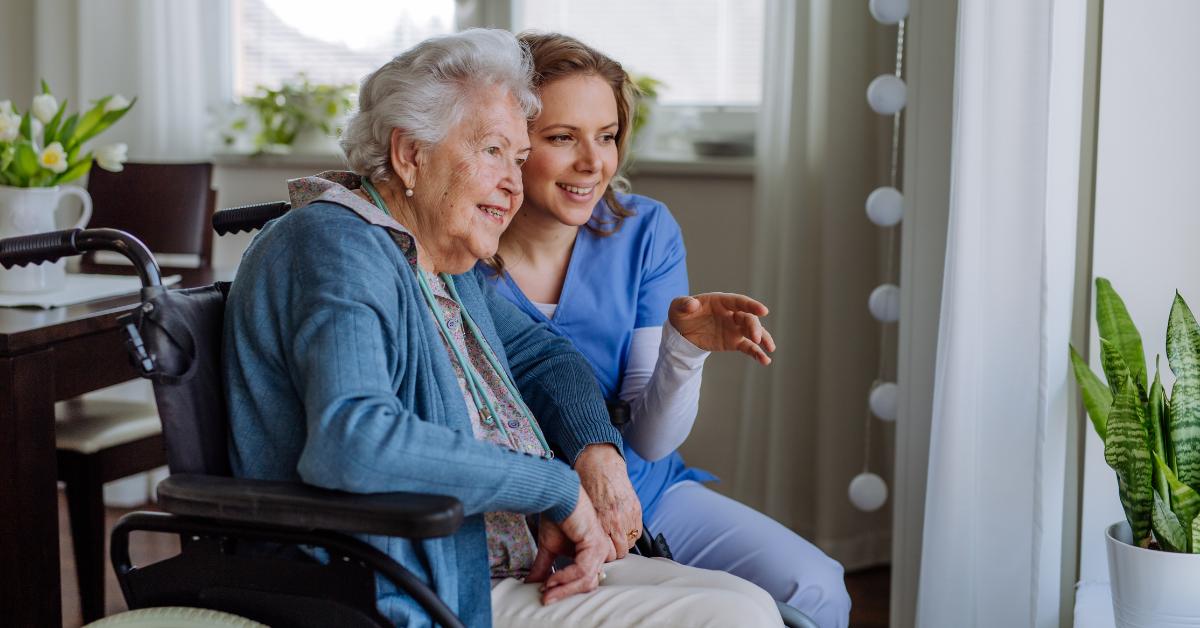
woman from best home care agency visiting an elderly woman for a free home health assessment

Most families don’t start searching for a home care agency because everything is going well. They start searching because something shifted. A fall, a close call, or a hospital discharge. There’s a moment when it becomes clear that an aging loved one’s current situation isn’t sustainable anymore.  By the time you’re here, you probably already know your loved one needs more support. Choosing the right home care agency is one of the most important decisions your family will make.  Not all agencies are created equal, and the wrong choice can mean inconsistent caregivers, gaps in communication, and care that doesn’t actually match your loved one’s needs. The right choice means your loved one is safe, supported, and comfortable – and your family has genuine peace of mind. Understanding What Home Care Services Include Home care is not a single service. Depending on your loved one’s needs, in-home care or home health care can range from a few hours of companionship and light housekeeping each week to skilled nursing and 24-hour care. Understanding what’s available helps families make decisions that are proactive rather than reactive. Companion Care and Daily Support  For seniors who live alone or who have become isolated from social interaction as they age, companion care provides meaningful engagement alongside practical help. It involves conversation, transportation, errands, light housekeeping, and meal preparation. This level of care supports independence and improves quality of life by preventing the isolation that accelerates cognitive decline. Personal Care  When a loved one needs hands-on assistance with bathing, dressing, grooming, or mobility, personal care steps in. These services are delivered with dignity and respect, helping seniors maintain their daily way of living even when completing those routines independently is no longer safe or practical. Skilled Nursing and Therapy Services  Beyond companion and personal care, a full-service home care agency can provide skilled nursing. This can include physical therapy, occupational therapy, and speech therapy. All of which are delivered in the comfort of the home. For families navigating complex medical situations, having these services available through a single provider makes an enormous difference when it comes to scheduling and continuity of care. Post-Surgery and Hospital Recovery  One of the most common entry points into home care or home health care is a hospitalization. After a planned or unplanned surgery, cardiac event, stroke, or other acute episode, returning home doesn’t mean returning to normal. At least not right away. Skilled home health care bridges that gap, providing wound care, medication management, physical and occupational therapy, and close monitoring that reduces the risk of readmission. Chronic Illness Management  For seniors managing conditions like diabetes, COPD, congestive heart failure, or Parkinson’s disease, home care provides consistent clinical oversight and daily support. Having extra assistance keeps small problems from becoming emergencies. Skilled nurses can monitor vitals, manage complex medication regimens, coordinate with physicians, and educate both patients and families on what to watch for. Dementia and Memory Care  Cognitive decline introduces a specific set of challenges around safety, routine, and behavioral management. Caregivers trained in dementia care help maintain familiar structure, assist with daily tasks, and provide a calm, consistent presence. This reduces anxiety in patients and supports stability at home. Medical Social Work  A diagnosis, a hospitalization, or a sudden decline in function doesn’t just create medical needs. It creates logistical, emotional, and financial ones, too. A medical social worker helps families navigate all of it. From connecting with community resources and benefit programs to providing counseling support during difficult transitions, medical social work is the often-overlooked piece that helps everything else hold together.  What to Look for in a Home Care Agency Once you’ve decided that in-home care is the right path, the selection process begins. Here are the most important questions every family should ask when evaluating a home care agency. 1. Is it a home care agency or a registry? This distinction matters enormously and is one of the most misunderstood in the industry. A registry connects families with independent caregivers, but those caregivers are not employees of the registry. They may not be background checked or supervised in any meaningful way. If something goes wrong, the family has limited recourse. An agency, by contrast, employs its caregivers directly. The agency handles background checks, fingerprinting, hiring, training, scheduling, and supervision. If a caregiver calls in sick, the agency sends a replacement. If a concern arises, there is a management team accountable for the outcome. 2. Does the home care agency provide both skilled and non-skilled care? Many families find themselves working with two or three different providers: a home health agency for skilled nursing, a separate company for companion care, and perhaps a third for therapy services. This is exhausting to coordinate, creates potentially dangerous gaps in communication, and leads to inconsistency in care. The best home care agencies function as a true one-stop shop, providing home care and home health care all under a single, organized umbrella. When a loved one’s needs change, the same agency adjusts the care plan without requiring the family to start over with a new provider. 3. Is the agency Medicare certified and independently accredited? Medicare certification means the agency meets federal standards for clinical care and is eligible to be reimbursed by Medicare for covered services. Accreditation from an independent body, such as the Accreditation Commission for Health Care (ACHC), goes even further. It requires agencies to demonstrate operational excellence, patient safety practices, and consistent quality outcomes. Not every home care agency has both. These credentials are not optional extras. They are the baseline of accountability. 4. How long has the home care agency been in business? Experience counts in home care. An agency that has the experience navigating complex medical situations, family dynamics, and evolving industry standards in ways that a newer organization simply hasn’t is ideal. They’ve built relationships with hospitals, physicians, and senior living communities. They’ve refined their hiring and training practices over time. Look at their Google reviews. A strong base of 5-star reviews from real families is one

Your Simple Guide to Dementia Care at Home

dementia at home care provider helping button client's shirt

When a loved one is diagnosed with dementia, the path forward is rarely clear. Families find themselves asking the same questions: What kind of care does my loved one actually need? Is staying home even realistic? Where do we begin? Every decision feels significant, and knowing where to start isn’t always obvious. In Florida alone, 18.6% of people aged 45 and older have subjective cognitive decline. Over 580,000 people aged 65 and above are living with Alzheimer’s. And nationally, nearly 12 million Americans provide unpaid care for someone with a form of dementia. Behind every one of those numbers is a family navigating the same uncertainty yours is. For many, dementia care at home turns out to be not only possible, but the best path forward. Familiar surroundings, consistent routines, and personalized one-on-one attention can make a meaningful difference in how someone with dementia experiences daily life. For many families, this decision is not just about cost. It is about understanding what that daily life will look like, recognizing when it is time to ask for help, and figuring out how to support a loved one while balancing everything else on their plate. For those navigating this from a distance, or while managing their own work and responsibilities, having clear, honest information can make an overwhelming process feel far more manageable. What Dementia Care at Home Involves In-home dementia care goes well beyond basic supervision. A trained caregiver becomes part of your loved one’s daily routine. They take the time to build rapport, learning their history, preferences, and behaviors to provide support that feels natural rather than clinical. At its core, dementia home care typically includes: Personal Care Assistance Helping with bathing, dressing, grooming, and toileting in ways that preserve dignity and reduce frustration. Caregivers trained in dementia care understand how to approach personal care gently and without rushing. These are two things that make a significant difference for someone experiencing cognitive decline. Medication Monitoring Many people with dementia struggle to manage medications independently. In-home caregivers provide reminders, help organize medications, and watch for concerning changes in behavior or physical condition. Meal Preparation and Nutrition Support Appetite changes are common with dementia because the disease affects the brain areas regulating hunger, senses, and memory. Caregivers can prepare familiar, nutritious meals and assist with eating as needed. They aim to help maintain physical health alongside cognitive wellbeing. Safety Supervision Research shows that people living with dementia are anywhere from two to eight times more likely to fall than those without cognitive impairment. In-home caregivers provide consistent monitoring throughout the day, particularly during high-risk moments like getting up from a chair or moving between activities. This way, someone is always there when it matters most. Cognitive Engagement and Companionship This is often the piece that families underestimate. Meaningful activity, like conversation, music, puzzles, reminiscing, can help slow cognitive decline and significantly improve quality of life. A good caregiver does not just keep someone safe; they keep them engaged. Transportation and Errand Support Caregivers can accompany your loved one to appointments, pick up prescriptions, and help maintain a connection to daily life outside the home. Family Caregiver Relief In-home memory care also supports the people doing the caregiving. Whether that means a few hours each week or 24-hour care, professional support gives family members time to rest, work, and maintain their own well-being. Benefits of In-Home Dementia Care The research speaks for itself. In-home dementia patients take nearly 50% fewer trips to the doctor, and living at home has been shown to ease stress and anxiety in this population. When someone can stay in the home they have lived in for decades, surrounded by their belongings, their family photos, and their neighborhood, outcomes tend to be better. In-home dementia care sets itself apart from facility-based memory care in ways that matter, including: In-Home Dementia Care vs. Memory Care Facilities: A Side-by-Side Look Memory care environments can be the right fit for some individuals, but they are important to understand. These settings often include multiple residents at different stages of dementia, which can create periods of noise, confusion, or behavioral disturbances. For some individuals, particularly those who are more sensitive to stimulation, this environment can feel overwhelming and may contribute to increased anxiety or disorientation. Remaining at home offers a more controlled, familiar setting where care is centered around one individual without external disruption. When Families Consider In-Home Memory Care Most families begin thinking about in-home memory care when the demands of caregiving start to exceed what they can manage on their own. That is a completely normal point to reach, and reaching it is not a failure. It is a sign that your loved one’s needs have grown. Some common situations that prompt families to reach out to an in-home care agency in Florida, like Health at Home, include: It is worth noting that in-home dementia care does not have to begin in a crisis. Starting with a few hours of support each week allows your loved one time to build trust with a caregiver, eases the transition, and gives your family breathing room before needs become more intensive. How Alzheimer’s Care Differs from Other Dementia Support Dementia is an umbrella term covering several conditions, including Alzheimer’s disease, vascular dementia, Lewy body dementia, and frontotemporal dementia. Each type progresses differently. Each requires a different approach. Alzheimer’s disease accounts for 60 to 80 percent of all dementia diagnoses. It typically begins with short-term memory loss and gradually affects language, reasoning, and daily functioning. In later stages, it can involve personality changes, loss of mobility, and difficulty swallowing. Caring for someone with Alzheimer’s means providing aid around a few core principles. Consistent daily routines reduce anxiety and improve cooperation. Communication needs to adapt as the disease progresses, moving toward shorter sentences, non-verbal cues, and gentle redirection rather than correction. Behavioral symptoms like agitation, sundowning, and paranoia require caregivers who understand the triggers and know how to respond calmly. Other forms of dementia bring their own considerations. Lewy body dementia often

13 Signs Your Parents Need Professional In-Home Care

13 Signs Your Parents Need Professional In-Home Care

Watching your parents age comes with a complicated mix of feelings. You want to respect their independence, but you start to notice small changes that make you take pause. When that feeling of uncertainty shows up, it’s worth paying attention. Many families delay exploring professional in-home care because they’re unsure if it’s truly necessary. But, waiting too long can lead to unnecessary stress, burnout, financial strain, and unsafe living conditions.  While every person ages differently, there are certain signs that professional caregiver support could make life easier. Watching for patterns of change is the first step to getting the proper care for your parent and peace of mind for yourself. 13 Signs Your Aging Parent Needs Home Care 1. Noticeable Changes in Personal Hygiene A decline in hygiene is often one of the first signs that a senior may need help. Even though your parent has always taken pride in their appearance, they may now neglect brushing their teeth, bathing, or even changing their clothes.  Physical conditions such as arthritis, vertigo, or reduced stamina can make grooming difficult. Cognitive changes can also interfere with routines. In-home senior care can include assistance with daily hygiene while maintaining your parent’s comfort and dignity. 2. Weight Loss or Poor Nutrition Nutritional decline and poor hydration are serious health risks for older adults, and a leading reason for hospitalizations. Maybe you notice your parents’ clothes are fitting looser, the pantry or fridge is bare, or appliances appear unused.  There are many possible causes. Cooking may be exhausting. Depression or grief could be impacting appetite. Bringing on in-home care helps with meal prep, nutrition monitoring, and maintaining healthy eating habits. 3. Frequent Falls or Near-Falls A single fall can be life-altering for a senior. According to the CDC, falls are the leading cause of injury and death among adults 65 and older. And, many who fall develop a fear of falling again, so they limit activity, which ultimately affects their overall well-being.  If your parent has fallen recently, or if you notice bruises or unexplained injuries, this is a serious red flag. It’s time for additional help around the house. 4. Medication Mismanagement As we age, it’s not unheard of to have what seems like our very own pharmacy at home. Managing prescriptions, dosages, and schedules can quickly become confusing. Missing doses, double-dosing, or mixing medications can cause serious complications. If you find stockpiles of unused medication or your parents can’t tell you what they are taking or why, it is time to bring in professional support. Caregivers and nurses organize medications and maintain medication schedules. 5. Memory Lapses  Some forgetfulness is normal as we age. But instances like burning food, getting lost on familiar routes, or forgetting to turn off appliances may require a second look. Preserving your parents’ safety and dignity within their own home is of the utmost importance. Professional elder care services can assist with this, keeping an eye on the progression of cognitive health and signs of dementia.  6. Social Isolation Has your parent stopped calling friends? Withdrawn from hobbies or family gatherings? Social isolation is not only a symptom of depression, but is a contributor to cognitive decline. John Hopkins research shows that socially isolated adults have a 27% higher risk of developing dementia in comparison to those who weren’t isolated.  Companion care is one type of in-home care that many families don’t realize is an actual service. Caregivers build rapport with your parent, have meaningful conversations, and spend quality time doing safe, mentally enriching activities to keep them moving. 7. Difficulty with Housekeeping The condition of a person’s home is a direct reflection of their mental state. If the home was once well-maintained but is now cluttered with dishes in the sink, piles of laundry, or unkempt surfaces, your parent may be overwhelmed by the demands of daily household management.  In-home care services can include light housekeeping, laundry, and routine tasks that help keep the environment tidy and safe. 8. Missed Medical Appointments or Unmanaged Health Conditions No longer making it to doctor’s appointments, not following through on prescribed treatments, or worsening chronic conditions. These can all be signs of transportation barriers, cognitive decline, or simply the fatigue of managing care alone. With the help of in-home care, medical conditions and appointments become more manageable. 9. Unexplained Financial Changes Financial confusion can signal cognitive decline or vulnerability to fraud. Warning signs include unpaid bills, unopened mail, unusual purchases, or large withdrawals with no explanation. These changes should be addressed swiftly and treated with the same urgency as physical health concerns. 10. Emotional or Personality Changes Emotional shifts in older adults are often dismissed as quirks or normal aging. But, persistent sadness, an uptick in anxiety, or dramatic mood swings can signal depression, pain, medication side effects, or cognitive change.  Having an in-home caregiver does not replace mental health treatment. But consistent human interaction has been proven to reduce anxiety and increase stability in homebound individuals.  11. Increased Confusion or Disorientation Frequent confusion about simple, known facts, like what day it is, where they are, or what season it is, could all be signs of disorientation that goes beyond normal aging. Many families start looking into in-home dementia care at this stage.  If you’re noticing a pattern beyond “Where did I put the remote?”, it’s time for your loved one to be evaluated by a healthcare professional. 12. Your Parent Has Asked for Help Sometimes the clearest sign is the one we are most tempted to minimize. If your parent has said something like, “I’m not doing well,” or jokingly quipped, “I wish someone would help me,” take it seriously.  Pride and the fear of being a burden often make it difficult for older adults to ask for help directly. When they do ask, even indirectly, it deserves a real response.  13. Caregiver Burnout in a Family Member If an adult child, spouse, or other family member has been serving as the primary caregiver, their well-being matters too. Family caregivers can experience serious burnout. Nearly

How a 24-Hour Personal Care Assistant for Seniors Makes Life Better

How a 24-Hour Personal Care Assistant for Seniors Makes Life Better

As seniors age, everyday activities that were once simple can become physically or emotionally challenging. Families often struggle to balance work, responsibilities, and the growing care needs of their loved ones. This is where 𝟐𝟒-𝐡𝐨𝐮𝐫 𝐩𝐞𝐫𝐬𝐨𝐧𝐚𝐥 𝐡𝐨𝐦𝐞 𝐜𝐚𝐫𝐞 becomes life-changing—not only for seniors, but also for their families.A 𝟐𝟒-𝐇𝐨𝐮𝐫 Personal Home Care Assistant provides constant support, supervision, and companionship, allowing seniors to continue living safely and comfortably in their own homes. This level of care restores confidence, preserves dignity, and delivers peace of mind. 𝐔𝐧𝐝𝐞𝐫𝐬𝐭𝐚𝐧𝐝𝐢𝐧𝐠 𝟐𝟒-𝐇𝐨𝐮𝐫 𝐏𝐞𝐫𝐬𝐨𝐧𝐚𝐥 𝐇𝐨𝐦𝐞 𝐂𝐚𝐫𝐞 A 24-hour personal care assistant is a trained caregiver who remains available 𝐝𝐚𝐲 𝐚𝐧𝐝 𝐧𝐢𝐠𝐡𝐭, ensuring seniors are never alone when they need help. Unlike hourly care, this service offers uninterrupted attention, including overnight supervision.This care is ideal for seniors who: The purpose is simple: 𝐬𝐚𝐟𝐞𝐭𝐲, 𝐜𝐨𝐦𝐟𝐨𝐫𝐭, 𝐚𝐧𝐝 𝐢𝐧𝐝𝐞𝐩𝐞𝐧𝐝𝐞𝐧𝐜𝐞 𝐚𝐭 𝐡𝐨𝐦𝐞. 𝐏𝐫𝐨𝐦𝐨𝐭𝐢𝐧𝐠 𝐒𝐚𝐟𝐞𝐭𝐲 𝐀𝐫𝐨𝐮𝐧𝐝 𝐭𝐡𝐞 𝐂𝐥𝐨𝐜𝐤 One of the greatest benefits of 𝟐𝟒-𝐡𝐨𝐮𝐫 𝐩𝐞𝐫𝐬𝐨𝐧𝐚𝐥 𝐡𝐨𝐦𝐞 𝐜𝐚𝐫𝐞 is continuous supervision. As seniors age, the risk of accidents increases—especially during nighttime hours when vision is reduced, balance is weaker, and help may not be immediately available. Many falls, injuries, and medical emergencies happen when seniors are alone, making round-the-clock care essential for safety and well-being.A 𝟐𝟒-𝐇𝐨𝐮𝐫 𝐏𝐞𝐫𝐬𝐨𝐧𝐚𝐥 𝐇𝐨𝐦𝐞 𝐂𝐚𝐫𝐞 𝐀𝐬𝐬𝐢𝐬𝐭𝐚𝐧𝐭 provides constant awareness and proactive support to reduce risks before they become serious problems.A dedicated caregiver helps by: Beyond physical safety, this continuous presence provides emotional reassurance. Seniors feel more secure knowing someone is always nearby, while families gain confidence knowing their loved one is never alone.This level of attentive, around-the-clock care delivers 𝐮𝐧𝐦𝐚𝐭𝐜𝐡𝐞𝐝 𝐩𝐞𝐚𝐜𝐞 𝐨𝐟 𝐦𝐢𝐧𝐝, allowing families to rest easier and seniors to live safely, comfortably, and confidently in their own homes. 𝐒𝐮𝐩𝐩𝐨𝐫𝐭𝐢𝐧𝐠 𝐃𝐚𝐢𝐥𝐲 𝐏𝐞𝐫𝐬𝐨𝐧𝐚𝐥 𝐂𝐚𝐫𝐞 𝐰𝐢𝐭𝐡 𝐃𝐢𝐠𝐧𝐢𝐭𝐲 As seniors age, personal care activities that were once routine can gradually become physically challenging, emotionally uncomfortable, or even unsafe to manage alone. Tasks such as bathing, dressing, or moving from one position to another may create anxiety or risk of injury. A 𝟐𝟒-𝐇𝐨𝐮𝐫 𝐏𝐞𝐫𝐬𝐨𝐧𝐚𝐥 𝐇𝐨𝐦𝐞 𝐂𝐚𝐫𝐞 𝐀𝐬𝐬𝐢𝐬𝐭𝐚𝐧𝐭 provides compassionate, respectful support—always honoring privacy, dignity, and personal preferences.Rather than taking over, caregivers offer just the right level of assistance, empowering seniors to remain as independent as possible while ensuring their safety and comfort.A personal home care assistant provides support with: 𝐄𝐦𝐨𝐭𝐢𝐨𝐧𝐚𝐥 𝐖𝐞𝐥𝐥-𝐁𝐞𝐢𝐧𝐠 𝐓𝐡𝐫𝐨𝐮𝐠𝐡 𝐂𝐨𝐦𝐩𝐚𝐧𝐢𝐨𝐧𝐬𝐡𝐢𝐩 Emotional health is just as important as physical well-being, especially for seniors who may spend long hours alone. Loneliness and social isolation can gradually lead to depression, anxiety, loss of confidence, and even cognitive decline. A 𝟐𝟒-𝐇𝐨𝐮𝐫 Personal Care Assistant offers more than supervision—they provide genuine companionship, emotional reassurance, and a comforting presence that helps seniors feel valued, supported, and connected.With consistent, familiar interaction from a trusted Personal Care Assistant, seniors develop trust and emotional security, knowing someone is always there to listen, encourage, and care with patience and understanding.A 24-hour Personal Care Assistant supports emotional well-being by: 𝐒𝐩𝐞𝐜𝐢𝐚𝐥𝐢𝐳𝐞𝐝 𝐂𝐚𝐫𝐞 𝐟𝐨𝐫 𝐃𝐞𝐦𝐞𝐧𝐭𝐢𝐚 & 𝐀𝐥𝐳𝐡𝐞𝐢𝐦𝐞𝐫’𝐬 Caring for seniors living with dementia or Alzheimer’s requires specialized knowledge, patience, and continuous attention. Memory loss, confusion, mood changes, and disorientation can increase safety risks and emotional distress—especially when seniors are left alone. A 𝟐𝟒-𝐇𝐨𝐮𝐫 𝐏𝐞𝐫𝐬𝐨𝐧𝐚𝐥 𝐇𝐨𝐦𝐞 𝐂𝐚𝐫𝐞 𝐀𝐬𝐬𝐢𝐬𝐭𝐚𝐧𝐭 provides consistent, compassionate support designed specifically to meet the complex needs of individuals with cognitive decline.Round-the-clock care ensures seniors receive familiarity, stability, and reassurance—key elements in managing dementia-related symptoms.A trained caregiver supports seniors with dementia by: Care provided in the comfort of a familiar home environment helps seniors feel secure and grounded. Familiar surroundings, faces, and routines significantly reduce stress and disorientation, leading to fewer behavioral challenges.This personalized, continuous care approach often results in 𝐛𝐞𝐭𝐭𝐞𝐫 𝐛𝐞𝐡𝐚𝐯𝐢𝐨𝐫𝐚𝐥 𝐚𝐧𝐝 𝐞𝐦𝐨𝐭𝐢𝐨𝐧𝐚𝐥 𝐨𝐮𝐭𝐜𝐨𝐦𝐞𝐬, improving overall quality of life while giving families peace of mind knowing their loved one is safe, supported, and treated with dignity. 𝐑𝐞𝐝𝐮𝐜𝐢𝐧𝐠 𝐒𝐭𝐫𝐞𝐬𝐬 𝐟𝐨𝐫 𝐅𝐚𝐦𝐢𝐥𝐢𝐞𝐬 Caring for an aging loved one can be emotionally and physically exhausting for families, especially when care needs extend throughout the day and night. Family caregivers often juggle work, personal responsibilities, and constant concern for their loved one’s safety. A 𝟐𝟒-𝐇𝐨𝐮𝐫 𝐏𝐞𝐫𝐬𝐨𝐧𝐚𝐥 𝐂𝐚𝐫𝐞 𝐀𝐬𝐬𝐢𝐬𝐭𝐚𝐧𝐭 provides dependable, professional support that eases this burden and restores balance for families.With a trained 𝐏𝐞𝐫𝐬𝐨𝐧𝐚𝐥 𝐂𝐚𝐫𝐞 𝐀𝐬𝐬𝐢𝐬𝐭𝐚𝐧𝐭 present around the clock, families no longer have to worry about being available at all hours or responding to emergencies alone.A 24-hour Personal Care Assistant helps families by: 𝐖𝐡𝐲 𝐏𝐫𝐨𝐟𝐞𝐬𝐬𝐢𝐨𝐧𝐚𝐥 𝟐𝟒-𝐇𝐨𝐮𝐫 𝐇𝐨𝐦𝐞 𝐂𝐚𝐫𝐞 𝐌𝐚𝐭𝐭𝐞𝐫𝐬 At Health at Home, 24-hour personal home care assistants are carefully trained, screened, and selected to ensure 𝐬𝐚𝐟𝐞𝐭𝐲, 𝐜𝐨𝐦𝐩𝐚𝐬𝐬𝐢𝐨𝐧, 𝐚𝐧𝐝 𝐫𝐞𝐥𝐢𝐚𝐛𝐢𝐥𝐢𝐭𝐲.A 𝟐𝟒-𝐇𝐨𝐮𝐫 𝐏𝐞𝐫𝐬𝐨𝐧𝐚𝐥 𝐇𝐨𝐦𝐞 𝐂𝐚𝐫𝐞 𝐀𝐬𝐬𝐢𝐬𝐭𝐚𝐧𝐭 provides more than assistance—it delivers 𝐬𝐚𝐟𝐞𝐭𝐲, 𝐜𝐨𝐦𝐟𝐨𝐫𝐭, 𝐜𝐨𝐦𝐩𝐚𝐧𝐢𝐨𝐧𝐬𝐡𝐢𝐩, 𝐚𝐧𝐝 𝐝𝐢𝐠𝐧𝐢𝐭𝐲.For seniors who wish to age gracefully in their own homes, 24-hour personal home care truly 𝐦𝐚𝐤𝐞𝐬 𝐥𝐢𝐟𝐞 𝐛𝐞𝐭𝐭𝐞𝐫.

Improving Patient Outcomes Through Health at Home

Caregiver assisting elderly couple with coloring

In 2016, nearly 2.3 million Medicare beneficiaries we discharged from the hospital with home health referrals, yet only 54% ever utilized home health services1. For the patients who do not use such services, after returning home, they often feel fine until their condition deteriorates, resulting in readmission, institutionalization, or even death. Several factors contribute to the underutilization of home health, such as incorrect or incomplete data, lack of patient education on the difference between non-medical and home health care services, or the distrust of an unfamiliar person in their home.  Despite patients failing to receive home healthcare, it significantly reduces readmissions and improves patient outcomes, especially when coupled with digital health tools like telehealth and remote patient monitoring. In 2012, the Independence at Home program was designed to test the effectiveness of home-based primary care, which led to beneficiaries having fewer readmissions, hospitalizations, and emergency department visits within a 30-day period2. The program also demonstrated the significant ability to improve the quality of care across all areas while improving the quality of life and comfort for patients. Traditional fee-for-service models have often limited the availability of such services, as providers would be able to see more patients in a day when conducting office visits. However, increased support and adoption of value-based care are improving access to home health options.  Digital health tools like telehealth and remote patient monitoring are also contributing successfully to the success of home health programs. In rural areas where patients may otherwise lack access to healthcare services required to care for their conditions, telehealth and RPM bridge the gap to ensure that all patients can receive continuous, quality care needed to improve outcomes3. In addition, digital tools can expand health education to previously underserved communities. Before the pandemic, digital health tools were in play. However, they were infrequently and inconsistently applied. COVID-19 drove healthcare professionals to employ digital solutions rapidly to keep patients safe. With traditional, hospital-based care, patients often successfully maintain treatment regimens under the guidance of a healthcare provider but fail to maintain healthcare plans when they return to their home environments4. RPM addresses this concern by providing patients with a mechanism to receive consistent, quality health guidance as providers can monitor the patients’ health outside of regular visits. Patients are supported through self-management of their conditions, improving outcomes, and patient engagement. While mainstream support for RPM tools was generated throughout the pandemic, many providers are looking to continue using digital health tools to meet the needs of patients5. Acute care can be more effectively delivered in a home setting, reducing overcrowding in hospitals and readmissions to improve patient outcomes and satisfaction with their healthcare. This empowers patients to remain at home longer by receiving quality care in the comfort of their home environment. In the future, advances in technology like artificial intelligence and machine learning will continue to improve the services available to patients at home, from monitoring their conditions to the diagnosis of new ones, to improve health and quality of life. https://www.healthaffairs.org/do/10.1377/hblog20191003.276602/full https://www.healthcareitnews.com/news/benefits-and-future-remote-patient-monitoring https://www.homecaremag.com/february-2021/rpm-reduce-unnecessary-hospitalizations https://mhealthintelligence.com/features/how-covid-19-affects-the-telehealth-remote-patient-monitoring-landscape