How to Care for a Senior With Dementia at Home

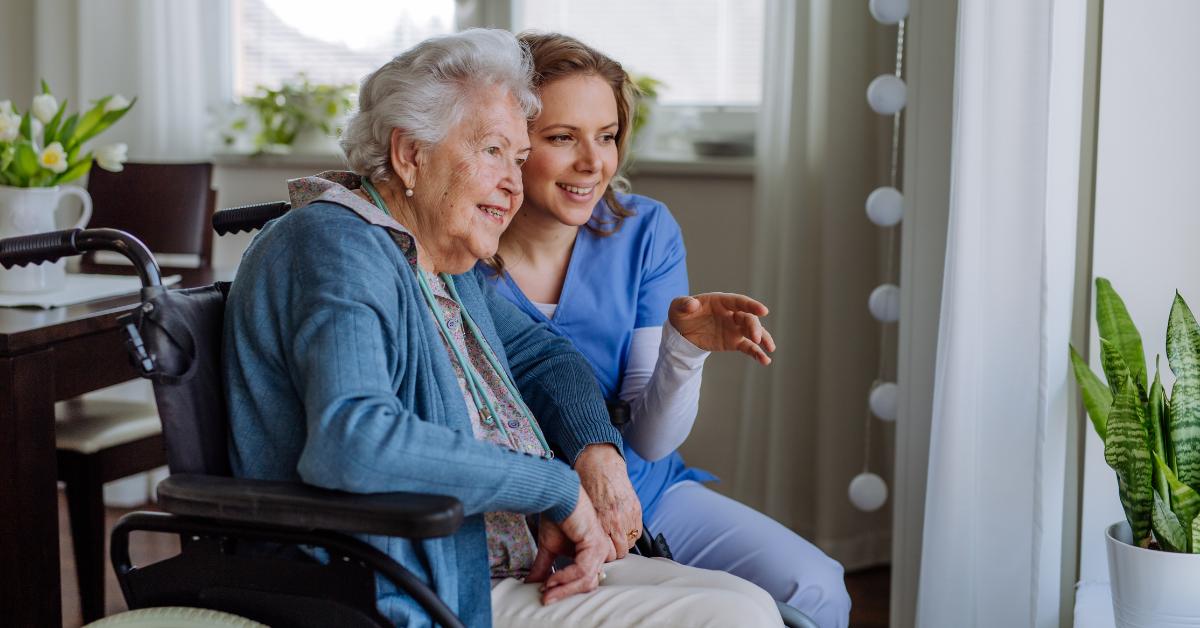
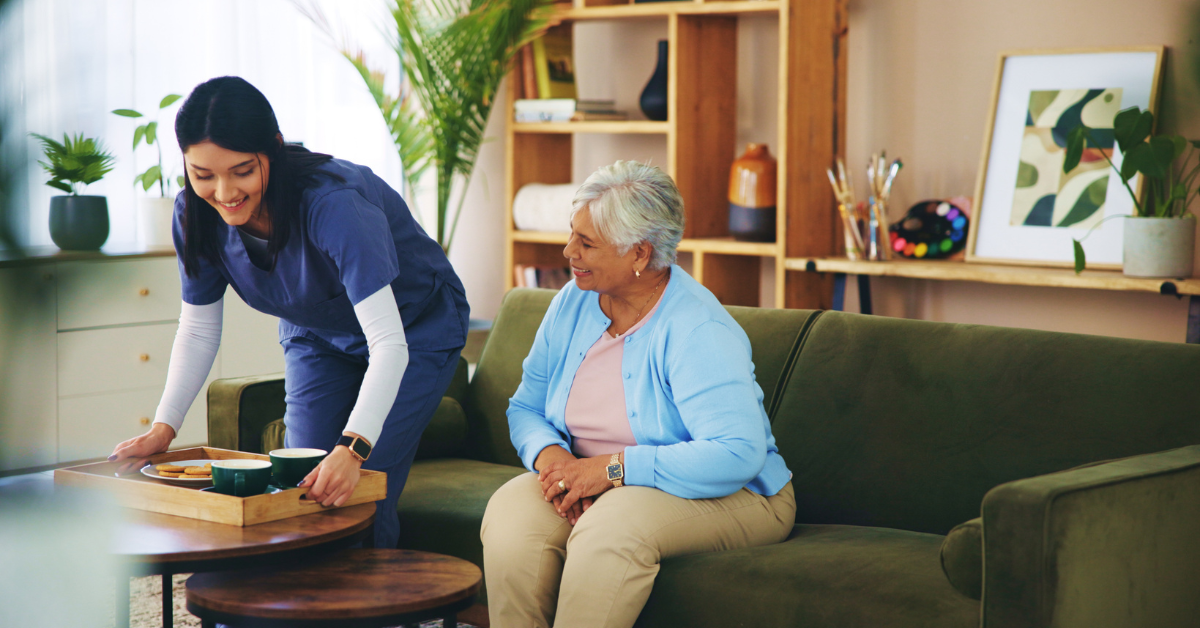
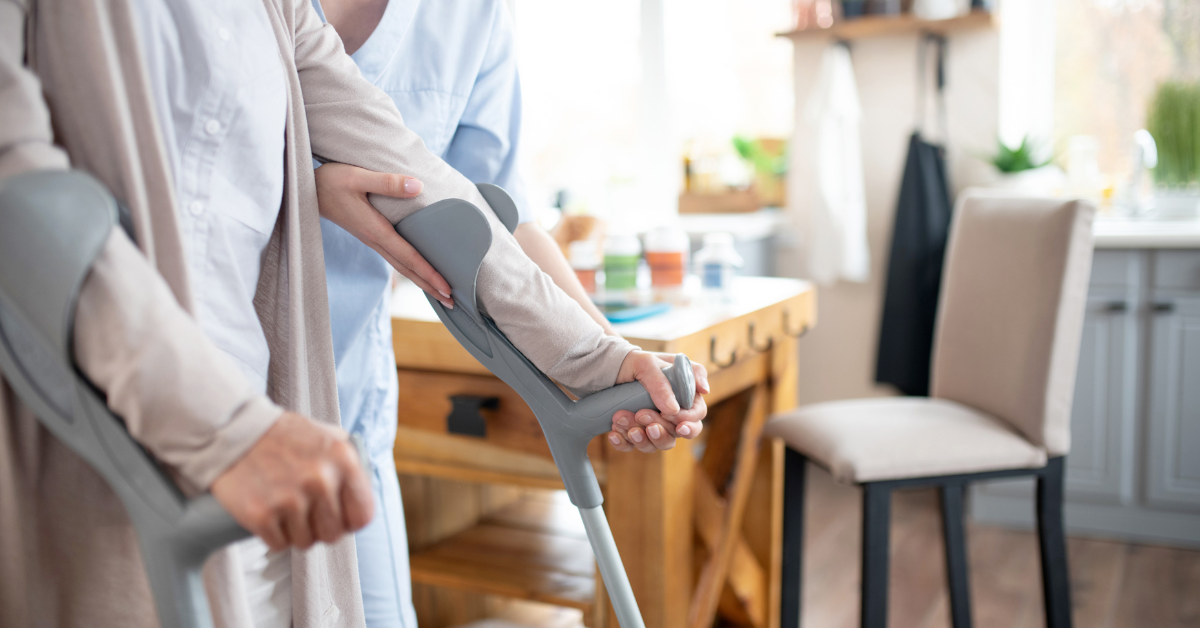
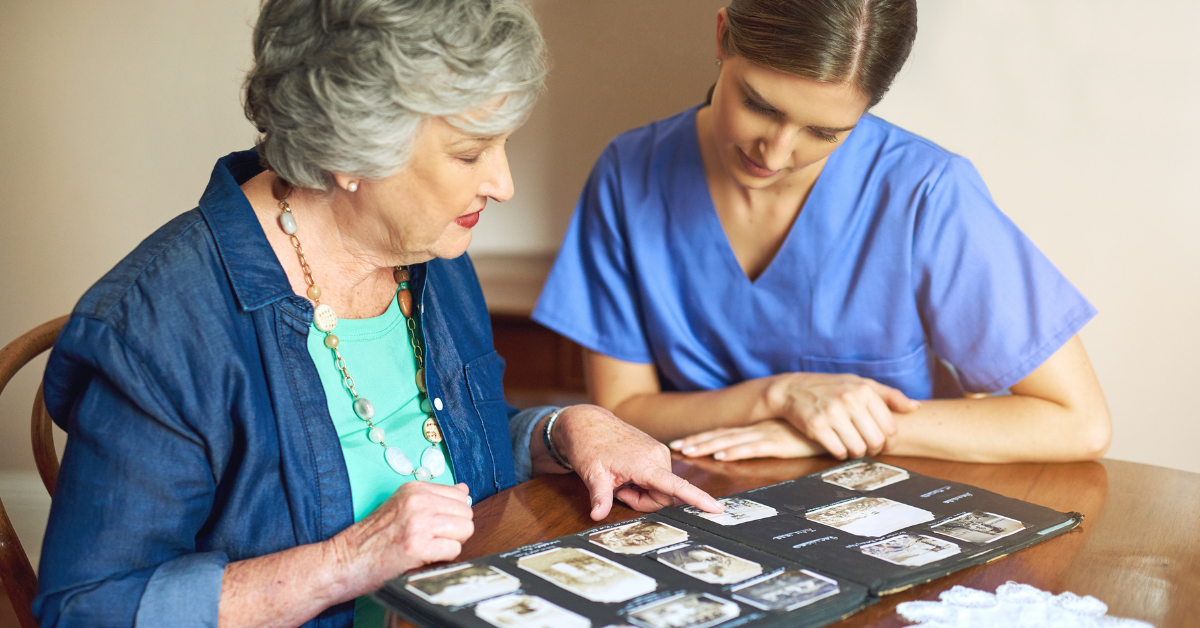
Caring for a senior with dementia at home can feel overwhelming, especially as memory, behavior, and daily functioning begin to change. However, with structure, patience, and the right approach, your loved one can continue living safely and comfortably at home. This guide walks you through step-by-step methods, offering practical solutions families can use while also explaining when professional in-home support may be needed. Method 1: Creating a Safe and Supportive Home Environment Step 1: Reduce safety hazards around the home. Start by removing tripping risks, loose rugs, extra furniture, and clutter. Install grab bars in the bathroom, add night-lights in hallways, and make sure floors are clean and dry. As dementia progresses, vision and judgment decline, so a simplified environment reduces confusion and accidents. Step 2: Label important areas and items. Place clear labels on rooms, drawers, and cabinets. This helps seniors stay independent longer and reduces frustration when performing daily tasks like getting dressed or finding the bathroom. Step 3: Establish a predictable daily routine. Consistency reduces anxiety. Plan meals, bathing, medication time, rest, and activities at roughly the same times every day. A familiar rhythm provides emotional stability and helps manage behavioral changes. Step 4: Create a calm space to prevent overstimulation. Loud noises or crowded rooms can increase agitation. Keep the environment peaceful with soft lighting, familiar music, and comfortable seating. Method 2: Supporting Daily Activities and Personal Care Step 1: Assist with bathing, grooming, and dressing. Break tasks into simple steps and offer verbal cues. Lay out clothing in the order it should be worn. Use calm, reassuring language if your loved one becomes anxious or confused during personal care. Step 2: Encourage independence where possible. Allow the senior to try tasks themselves before stepping in. This boosts confidence and preserves dignity. Offer only the amount of help needed. Step 3: Help with meals and hydration. Prepare simple, nutritious meals and encourage small, frequent drinks throughout the day. Dementia may affect appetite, swallowing, or the ability to recognize food, so gentle reminders and supervision help maintain nutrition. Step 4: Ensure proper medication management. Set reminders, use pill organizers, and monitor that medications are taken safely. As dementia progresses, missed doses and double-dosing become more common, so supervision is essential. Method 3: Managing Memory Loss and Behavioral Changes Step 1: Use simple, clear communication. Speak slowly, use short sentences, and maintain eye contact. Avoid arguing or correcting harshly — instead, respond with patience and reassurance. Step 2: Redirect rather than confront. If the senior becomes agitated, gently steer the conversation or activity in another direction. Offer a snack, play music, go for a walk, or start a calming activity. Step 3: Provide meaningful mental stimulation. Activities such as photo albums, puzzles, gentle stretching, gardening, or listening to favorite music help stimulate memory and reduce restlessness. Step 4: Monitor changes in mood or behavior. Sudden changes may indicate pain, infection, dehydration, or medication issues. Track patterns and consult a healthcare professional if needed. Method 4: Supporting Mobility, Exercise, and Physical Health Step 1: Encourage gentle daily movement. Short walks, stretching, or chair exercises help reduce stiffness and improve circulation. Movement also supports balance and reduces fall risk. Step 2: Provide assistance when walking. Walk beside your loved one, keeping a supportive hold if needed. Make sure pathways around the home are clear and well-lit. Step 3: Watch for signs of weakness or imbalance. Leaning, shuffling, or struggling to stand may indicate progression of dementia or other health concerns. Physical therapy at home can help maintain strength and mobility. Method 5: Getting Support for Yourself and Your Loved One Step 1: Recognize when caregiving becomes overwhelming. Caring for someone with dementia is emotionally and physically demanding. Exhaustion, stress, or burnout are signs you need support. Step 2: Seek respite or part-time home care. Professional caregivers can assist with daily activities, companionship, mobility, bathing, meal prep, and medication reminders. This allows families time to rest while keeping seniors safe. Step 3: Consider skilled care as dementia progresses. In advanced stages, seniors may need 24-hour supervision for wandering, falls, incontinence, difficulty swallowing, or medical needs. Health at Home offers skilled nursing, physical therapy, occupational therapy, and dementia-trained caregivers to ensure comfort and safety at home. Tips Warnings Conclusion Caring for a senior with dementia at home is a journey filled with challenges, learning, and moments of deep compassion. While the condition can change memory, behavior, and daily functioning, the right environment and support can make a meaningful difference in your loved one’s comfort and quality of life. By creating a safe home, maintaining a calm routine, offering patient communication, supporting mobility, and recognizing when to seek help, families can navigate dementia with confidence. Remember, you don’t have to do it alone. Professional caregivers can provide essential support—whether it’s assistance with personal care, companionship, mobility, or skilled medical services. With the right combination of family involvement and expert guidance, seniors with dementia can continue living with dignity, safety, and warmth in the place they know best: their home. If you need compassionate in-home dementia support, Health at Home is always here to help.
24-Hour Senior Home Care Services in Indian River County

Introduction As our loved ones age, their need for consistent care and companionship often grows. Families in Indian River County are increasingly turning to 24-hour home care and in-home memory care as trusted ways to help seniors remain safe, comfortable, and independent in familiar surroundings. At Health at Home, we understand that every senior’s needs are unique. Our mission is simple — helping seniors enjoy the comforts of home while providing dependable and affordable in-home assistance. This comprehensive guide explains what 24-hour and memory care services really mean, who benefits most, and how our compassionate caregivers provide personalized support around the clock. What Is 24-Hour Home Care and Memory Care? 24-hour home care, sometimes called live-in care or around-the-clock support, means that a professional caregiver is present in the senior’s home at all times — day and night. Unlike part-time or hourly care, this service ensures continuous assistance, safety, and companionship. For seniors experiencing memory-related challenges such as Alzheimer’s disease or dementia, 24-hour care often includes specialized memory care at home. This focuses on maintaining routines, enhancing mental engagement, and creating a calm, reassuring environment. A 24-hour caregiver provides: This level of care is ideal for seniors who need constant attention — especially those facing cognitive decline — while wishing to stay in the comfort of their own homes. Why 24-Hour Home Care and Memory Care Matter for Seniors in Indian River County 1. Safety and Security Having a trained caregiver present 24/7 minimizes risks such as falls, wandering, and medication errors. In memory care situations, our caregivers provide gentle redirection and supervision to prevent confusion or nighttime anxiety. 2. Comfort of Home There’s no place like home. For seniors with memory loss, familiar surroundings play a crucial role in reducing disorientation and promoting calm. At Health at Home, we make sure routines and environments remain consistent and comforting. 3. Personalized Attention Each client receives one-on-one care tailored to their exact needs. Whether it’s medication reminders or personalized memory care activities, our caregivers focus on maintaining independence and dignity. 4. Emotional and Cognitive Support Our memory care professionals engage seniors in mentally stimulating conversations, music, and activities that encourage connection and preserve mental sharpness. 5. Peace of Mind for Families Families know their loved one is not only physically safe but emotionally supported by skilled professionals trained in dementia and Alzheimer’s care. Types of 24-Hour Home Care Services At Health at Home, we offer flexible 24-hour and memory care at home options to suit every client’s needs. Live-In Care A live-in caregiver stays in the home for extended periods, assisting during the day and being available overnight as needed. This option promotes consistency, comfort, and familiarity — especially valuable for seniors with memory conditions. 24-Hour Shift Care Two or more caregivers work in rotating 8- or 12-hour shifts, ensuring someone is always awake and alert. This model is ideal for seniors who require continuous memory supervision or frequent nighttime assistance. Specialized Care Options Every care plan is customized to match your loved one’s medical needs, routines, and cognitive requirements.What to Look For in a 24-Hour Home Care and Memory Care Provider When selecting a home care agency in Indian River County, pay close attention to these essential factors: Benefits of Choosing Health at Home At Health at Home, we’ve proudly served Florida seniors for over a decade, providing both private duty and specialized memory care services designed to preserve dignity, safety, and independence. What Sets Us Apart: Whether your loved one needs overnight assistance, dementia support, or continuous companionship, we’re here to make aging at home a safe, meaningful experience.When to Consider 24-Hour Home or Memory Care You may want to explore 24-hour home care or memory care if your loved one: Early planning ensures your loved one receives compassionate support before safety or health concerns become urgent. Also Read Blog: What is Considered Senior Citizen Age Our Promise: Compassion, Comfort, and Connection At Health at Home, we believe caregiving is not just about physical support — it’s about creating emotional security, consistency, and companionship. Our caregivers build meaningful relationships with each client, offering reassurance, encouragement, and engagement. Whether it’s 24-hour care or personalized in-home memory care, we treat every client like family. “We promise to provide quality care, comfort, and companionship so you can stay healthy and happy at home.”Frequently Asked Questions Q1. Do you offer memory care services in Indian River County?Yes, we provide specialized in-home memory care for seniors with dementia, Alzheimer’s, or cognitive decline — available throughout Indian River County. Q2. What’s the difference between 24-hour home care and live-in care?Live-in care usually involves one caregiver who stays in the home, while 24-hour care uses shift teams who remain awake and alert around the clock. Q3. How do you train caregivers for dementia and Alzheimer’s support?Our caregivers receive ongoing education in memory care best practices, redirection techniques, and compassionate communication to ensure safety and comfort. Q4. Can I combine personal care and memory care in one plan?Absolutely. We design flexible care plans that integrate personal, medical, and memory-related support. Q5. How can I get started?Call Health at Home today at (772) 238-6068 to schedule your complimentary in-home assessment.Get Started with Health at Home Today If you’re searching for 24-hour home care or memory care for seniors in Indian River County, let Health at Home be your trusted partner. We combine professional skill, genuine compassion, and local experience to ensure your loved one receives the care they deserve. Call us today at (772) 238-6068 or visit healthathome.care/ to schedule your free consultation.
How Professional Senior Care Services Improve Quality of Life

Introduction: Caring Beyond the Basics Aging gracefully means more than just growing older — it’s about maintaining dignity, comfort, and independence. That’s where professional senior care services come in. For families in Florida, choosing in-home senior care offers a compassionate and personalized alternative to assisted living facilities. At Health at Home, we believe every senior deserves the chance to enjoy familiar surroundings, meaningful companionship, and the highest quality of life possible. Let’s explore how senior care services truly make that difference. What Are Senior Care Services? Senior care services refer to a wide range of professional support designed to help older adults live safely and comfortably in their own homes. Depending on individual needs, care can range from basic assistance with daily activities to advanced home health care for seniors delivered by licensed professionals. Types of Senior Care Services These services help seniors maintain their routines and independence — all while remaining in the comfort of home. Why Professional Senior Care Matters While family members often provide care out of love, professional senior care services bring a level of reliability, expertise, and consistency that ensures safety and emotional well-being. Trained & Compassionate Caregivers At Health at Home, our caregivers are rigorously screened, trained, and supervised. They understand how to provide specialized care for conditions such as dementia, mobility limitations, or recovery after surgery. Peace of Mind for Families Families benefit knowing their loved ones are in capable hands — especially when they can’t be present every day. This assurance reduces stress and fosters family harmony. Customized Care Plans Professional caregivers create individualized plans that adapt to each senior’s health, habits, and preferences, ensuring care is personal and effective. The Life-Changing Benefits of In-Home Senior Care Promotes Independence Unlike facility-based care, senior care at home empowers older adults to stay in familiar surroundings — maintaining autonomy over daily choices, routines, and social activities. Enhances Emotional Well-Being Home is more than a place — it’s where memories live. Home care for seniors reduces feelings of isolation, anxiety, and depression often associated with moving to care facilities. Prevents Hospital Readmissions Professional caregivers help manage medications, monitor health changes, and support recovery after hospitalization — minimizing emergency visits. Strengthens Social Connection Caregivers serve as both helpers and companions, providing emotional engagement that combats loneliness and cognitive decline. Supports Aging in Place Florida seniors often wish to age in place — living safely and happily in their own homes. In-home senior care services make that possible through adaptive, personalized support. Choosing the Right Senior Care Provider Finding the best senior care near me can feel overwhelming, but focusing on quality and credibility makes all the difference. Here’s what families should look for: Why Florida Families Trust Health at Home With over a decade of service across Southern Florida, Health at Home has become a trusted name in senior home care and home health care for seniors. Our Commitment Includes: Our Services Includes: Home Care Services – Comprehensive assistance for seniors who wish to age safely at home. Companion Care – Friendly support and meaningful interaction to prevent loneliness and isolation. Dementia Care – Specialized memory care with patience, empathy, and professional techniques. Household Duties – Light housekeeping, laundry, meal prep, and errands for a comfortable home life. Personal Care – Assistance with bathing, grooming, dressing, and hygiene to maintain dignity and confidence. Medical Social Worker Services – Guidance and emotional support to help families navigate care plans and community resources. Occupational Therapy – Improving independence through skill-building and adaptive strategies. Physical Therapy – Enhancing strength, balance, and mobility for safer, more active living. Skilled Nursing – Professional medical care at home, including wound care, medication management, and monitoring chronic conditions. Speech Therapy – Helping seniors regain or improve communication and swallowing abilities after illness or injury. 𝐎𝐮𝐫 𝐦𝐢𝐬𝐬𝐢𝐨𝐧 𝐢𝐬 𝐬𝐢𝐦𝐩𝐥𝐞: To help seniors enjoy the comforts of home while receiving dependable, compassionate, and affordable care—because every Floridian deserves to age with dignity and peace of mind. The “Always Best Care” Approach — What Sets Us Apart While many families search online for Always Best Care senior services, the truth is that “best care” isn’t about branding — it’s about quality, consistency, and compassion. At Health at Home, our version of always best care means: Real-Life Impact: Quality of Life in Action Families across Florida have witnessed how professional senior care services transform everyday living. These stories reflect what quality senior care truly means — freedom, safety, and happiness at home. Also Read:- What Age Are You Considered A Senior How to Get Started If you or your loved one could benefit from in-home senior care, the process is simple and supportive. FAQ – Senior Care Services 1. What types of services are included in professional senior care services? Professional senior care services include a wide range of support to help older adults live comfortably and independently at home. These in home senior care options may cover personal care assistance such as bathing, grooming, and mobility help; companion care for emotional support; meal preparation and nutrition planning; medication management; light housekeeping; and skilled nursing care. Some senior care services also include specialized therapies like physical, occupational, or speech therapy to promote recovery and independence. 2. How do I know if my loved one needs in home senior care? You may consider in home senior care if your loved one struggles with daily activities, experiences mobility challenges, or shows signs of memory decline or social withdrawal. Professional senior care services are ideal when family members find it difficult to provide consistent support. With compassionate caregivers and personalized care plans, in home senior care ensures your loved one receives the attention, safety, and companionship they deserve in the comfort of their home. 3. What makes Health at Home’s senior care services different from others in Florida? Health at Home is a trusted provider of in home senior care and senior care services across Southern Florida. The agency is Medicare-certified, state-licensed, and ACHC-accredited, ensuring the highest quality standards. What sets Health at Home apart is its personalized approach — care plans are tailored to each senior’s health, lifestyle, and emotional needs. With trained, compassionate caregivers and 24/7 support, families can rely on consistent, professional senior care services designed to enhance safety and peace of mind. 4. Can in-home senior care help prevent hospital readmissions? Yes, professional in-home senior care plays a crucial role in preventing
How Elder Home Care Services Help Seniors Stay Independent

Introduction Aging brings wisdom, experience, and cherished memories—but it can also bring new challenges that make daily life more difficult. For many older adults, maintaining independence is one of the most important parts of aging with dignity. That’s where elder home care services come in. At Health at Home, we believe that seniors deserve to enjoy the comforts of home while receiving the dependable, professional care they need. Across Florida, our elder care homecare programs are designed to help seniors stay safe, healthy, and independent without having to move into a facility. In this blog, we’ll explore how at home senior care and senior home care services empower older adults to live life on their own terms—right where they belong. 1. What Are Elder Home Care Services? Elder home care services refer to professional support provided to seniors in their own homes. These services can range from assistance with daily activities to skilled nursing care, depending on the person’s needs. Home care typically includes: Unlike institutional settings, elder care homecare allows seniors to receive help while staying in familiar surroundings. This reduces stress, maintains comfort, and preserves the sense of control that’s essential for emotional and physical well-being. In Florida, programs like the Home Care for the Elderly (HCE) and Community Care for the Elderly (CCE) support this model—helping older adults stay at home longer by offering personal care, homemaker services, and case management. These initiatives reinforce the growing recognition that home-based care can be both effective and compassionate. 2. Why Independence Matters for Seniors Independence is more than just the ability to move or perform daily tasks—it’s about dignity, purpose, and mental health. When seniors maintain control over their routines and decisions, they tend to experience: The emotional comfort of being surrounded by familiar people, memories, and community cannot be understated. Senior care at home supports this balance—offering help without taking away autonomy. 3. How Elder Home Care Services Help Seniors Stay Independent Let’s look closely at the ways senior home care services help older adults live safely and independently in their own homes. Personalized Assistance with Daily Activities Activities of Daily Living (ADLs)—like bathing, dressing, grooming, and eating—can become more difficult with age. However, with at home senior care, caregivers provide the right level of support while encouraging seniors to stay as active and capable as possible. Instead of “doing everything” for clients, caregivers focus on assisting and empowering—helping seniors maintain confidence and self-reliance. This balanced approach keeps them engaged and physically active, which is vital for long-term independence. Homemaker Services That Reduce Stress Simple household chores—laundry, cleaning, grocery shopping—can become overwhelming as mobility or stamina decline. With professional elder home care services, these tasks are managed efficiently, allowing seniors to focus on activities they enjoy. Maintaining a clean and organized home environment also reduces fall risks and contributes to better health. In Florida, many families rely on Community Care for the Elderly (CCE) services, which include homemaker and meal preparation assistance to help seniors thrive in their own homes. Companionship and Emotional Support One of the most underestimated benefits of home care is companionship. Social isolation is a serious problem among older adults, often leading to depression and cognitive decline. Professional caregivers provide not just physical support, but genuine human connection—sharing conversations, hobbies, or walks in the neighborhood. This emotional bond enhances mental well-being and encourages seniors to remain engaged in daily life. Medication Reminders and Health Monitoring For many seniors, managing medications can be confusing or overwhelming. Missed doses or incorrect timing can lead to health complications or hospitalizations. Caregivers trained in elder care homecare provide regular reminders, help monitor changes in health, and communicate with healthcare professionals if concerns arise. This proactive attention helps prevent crises and allows seniors to stay healthy at home rather than returning to the hospital. Studies consistently show that home-based care leads to fewer readmissions and better chronic condition management. Fall Prevention and Safe Mobility Falls are one of the most common causes of injury among seniors—and a major reason for loss of independence. Home caregivers play a crucial role in keeping clients safe by: By preventing falls, senior care at home helps maintain mobility, confidence, and peace of mind for both seniors and their families. Flexible and Scalable Care Plans Every senior’s needs are different. Some may require a few hours of weekly companionship, while others need 24-hour support. The flexibility of elder home care services allows families to customize schedules and services based on health conditions, preferences, and budget. At Health at Home, we design individualized care plans that evolve with our clients’ needs—ensuring that seniors receive exactly the right level of support, at the right time. Respite and Support for Family Caregivers Family members often try to handle caregiving alone. Over time, this can lead to exhaustion and emotional stress. Professional home care offers respite—giving family caregivers time to rest, work, or attend to personal needs without worrying about their loved one’s safety. When families are supported, they’re able to sustain care longer and make better decisions for their loved one’s future. Elder home care services thus benefit not just the senior, but the entire family. 4. Research and Real-World Evidence Multiple studies confirm that seniors who receive in-home care experience: For example, the National Institutes of Health reports that “home care decreases costs, improves health outcomes, and reduces hospital stays.” This evidence supports what families across Florida already know—elder care homecare helps seniors stay well where they’re happiest: at home. 5. Overcoming Myths About Home Care Despite its benefits, some families hesitate to choose in-home care due to misconceptions. Let’s clear up a few: 6. How to Choose a Quality Home Care Provider in Florida Selecting the right provider is essential. When evaluating elder home care services, look for: Florida families should also confirm that the provider complies with the Agency for Health Care Administration (AHCA) standards for home health agencies. 7. Why Families Trust Health at Home At Health at Home, we’ve been serving Florida communities for over a decade—offering both Medicare-certified home health and private duty services. Our promise is simple: “To provide quality care, comfort, and companionship, so you can stay healthy and happy at home.” We hire only qualified, compassionate caregivers
What Age is Considered a Senior Citizen? A Guide to Home Health Care for Seniors

While definitions vary, the most widely accepted senior citizen age is 60 or 65 years old, depending on the context. In the healthcare sector, including home care, seniors are often recognized at 60+, while government programs may set the threshold at 65+. Understanding what age is considered a senior citizen is more than just about numbers. It has direct implications on healthcare, financial stability, social support, and quality of life. Here’s why it matters: 1. Healthcare Planning and Access As seniors age, medical needs tend to increase. Defining the age when someone becomes a senior helps them qualify for essential healthcare benefits, like Medicare, Medicaid, or local health programs. This ensures timely access to screenings, preventive care, and treatments. 2. Eligibility for Benefits and Discounts Many government benefits and community programs are tied to a specific senior citizen age. From Medicare coverage at 65 to community meal programs and transportation services at 60, the official designation helps seniors and their families prepare and apply for these resources. 3. Financial Planning Defining senior age helps families structure retirement plans, pensions, and investments. For example, knowing Medicare eligibility begins at 65 allows individuals to plan ahead for supplemental insurance or caregiving support. 4. Social Identity and Inclusion The senior age threshold also carries a sense of belonging. Seniors are often part of community groups, clubs, or organizations designed to enhance social well-being and reduce loneliness. 5. Family Preparedness For families, recognizing when a loved one is officially considered a senior helps them prepare for caregiving responsibilities. They can begin researching providers like Health at Home and planning how to balance independence with support. In summary, defining senior citizen age ensures seniors don’t miss out on essential resources, while empowering families to prepare for a smooth transition into this important stage of life. Senior Home Health Care in Florida For families navigating aging, Health at Home provides a lifeline of support. Operating across Southern Florida, we specialize in senior home care that allows older adults to live safely and comfortably in their own homes. Our Services Include: Our Commitment to Quality Care At Health at Home, we understand the importance of trust and compassion in senior care: Challenges Seniors Face & How Health at Home Helps As seniors transition into retirement and beyond, they face various challenges, including: Our Solutions: Florida Senior Citizen Age: State-Specific Context In Florida, where Health at Home operates, the senior citizen age is officially recognized as 60+ for most social services and community programs. At this age, seniors become eligible for state and local senior resources, including health programs, discounts, and community support. Tips for Families Preparing for Senior Care Preparing for senior care can feel overwhelming, but with the right approach, families can create a supportive environment for their loved ones. 1. Start the Conversation Early Talk to your loved ones about their preferences before care becomes urgent. Discuss topics such as whether they prefer home care or assisted living, what daily activities they need help with, and how they want to maintain independence. 2. Research Care Options Explore different levels of care—personal assistance, skilled nursing, or companionship—to determine what suits your family’s needs. Agencies like Health at Home offer flexible services tailored to each situation. 3. Financial Preparation Senior care can involve significant costs. Families should review health insurance, Medicare eligibility, long-term care insurance, and personal savings to plan effectively. 4. Safety Assessments at Home Evaluate the home environment for fall risks, poor lighting, or inaccessible bathrooms. Simple adjustments like grab bars or non-slip mats can make a big difference. 5. Stay Emotionally Involved Emotional support is as important as physical care. Regular family visits, phone calls, or shared activities can improve seniors’ mental well-being. 6. Build a Support Network Senior care is not a one-person responsibility. Involve siblings, extended family, and professional caregivers to share responsibilities. 7. Choose Experienced Care Providers Always look for licensed, certified, and well-reviewed providers. Agencies with a proven track record, like Health at Home, can make caregiving a positive experience for everyone involved. By taking proactive steps, families ensure their loved ones receive compassionate, high-quality care while maintaining dignity and independence. Frequently Asked Questions (FAQ) Here are answers to some of the most common questions about senior citizen age and home care: 1. At what age is someone officially considered a senior citizen? Most organizations define senior citizens as individuals aged 60 or 65 and above. In Florida, seniors are officially recognized at 60+ for most services. 2. What age is for senior citizen discounts? Many businesses start offering senior discounts at 55, 60, or 62 years old. Government programs like Medicare begin at 65. 3. Is there a difference between being a senior and being elderly? The terms are often used interchangeably, but “senior” typically starts around 60–65 years, while “elderly” may refer to individuals 75 and older. 4. Do seniors always need home health care after 60? Not necessarily. Many seniors remain independent for years. However, as health needs change, home health care can provide support with daily activities, chronic illness management, and companionship. 5. How can families choose the right senior care provider? Look for providers with licensed caregivers, Medicare certification, proven experience, and personalized care plans. Agencies like Health at Home specialize in these qualities. 6. What services does home care typically cover? Home care includes personal care, skilled nursing, companionship, rehabilitation therapy, and long-term private duty support—customized to each senior’s needs. Why Choose Health at Home for Senior Care in Florida? Conclusion: Senior Citizen Age & Quality Care So, what age is considered a senior citizen? While definitions vary, the consensus is 60 to 65 years old, depending on context. In Florida, individuals aged 60+ are officially recognized as seniors, making them eligible for specialized health services and senior support. At Health at Home, we believe aging should not limit independence or quality of life. With personalized, compassionate, and expert care, we help seniors live safely, happily, and with dignity in their own homes.
The Benefits of Professional Medical Care at Home

Learn about the advantages of receiving professional medical care services at home!
From Hospital to Home: How Home Health Care Eases the Transition

Explore how home health care can facilitate a smooth transition from hospital to home. Learn about the benefits, services, and support systems that enhance recovery and comfort.
Why Home is Where the Health Is: The Advantages of In-Home Nursing Services

Learn how the personalized care, comfort, and flexibility of quality in-home nursing services contribute to better health outcomes and enhanced well-being.
The Future Is Now: How Smart Technology Is Transforming Home Health Care

Learn how smart technology is revolutionizing home health care, enhancing patient comfort, and streamlining caregiver responsibilities.
How Professional In-Home Wound Care Can Accelerate Healing and Improve Quality of Life

Proper wound care can be more important than you might think! See how in-home wound care can be vital.