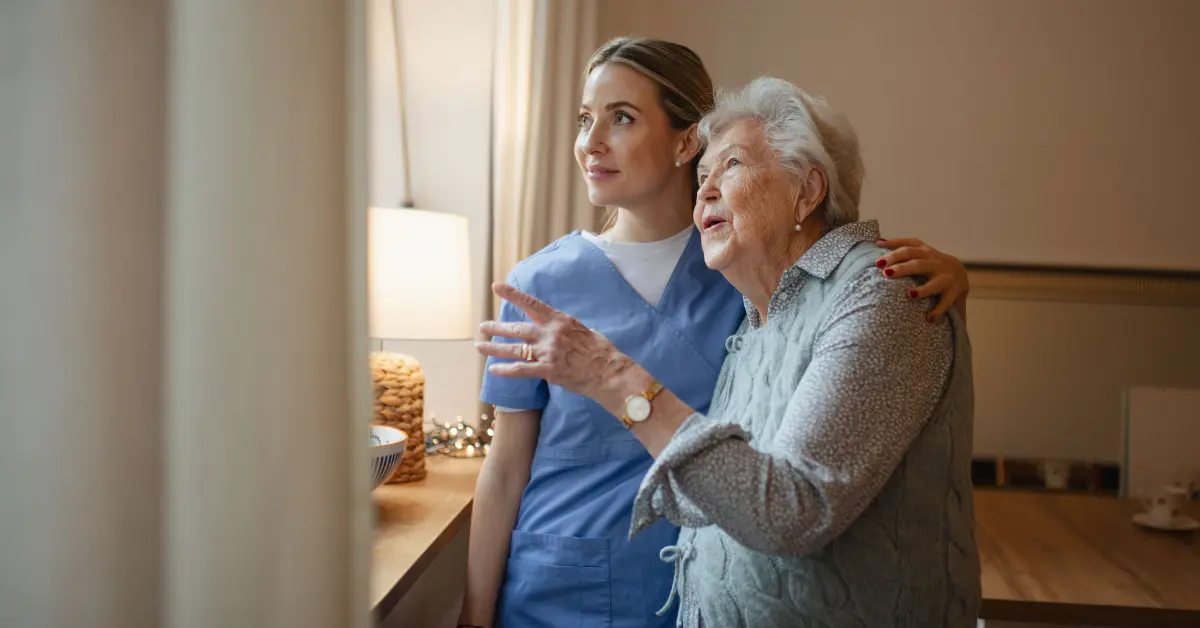
Signs It’s Time to Change Your Home Care Agency in Florida

Having to switch your home care agency in Florida isn’t something families want to do, but sometimes it becomes necessary. By the time care is already in the home, a lot has happened. You’ve made the calls, explained the situation, coordinated schedules, introduced someone new to your loved one, and tried to settle into a routine. Starting over can feel like the last thing you have energy for. Unfortunately, that’s why many families stay with an agency longer than they should. They explain away late arrivals. They tolerate vague updates. They keep rewriting instructions. They tell themselves it is probably normal because caregiving is complicated. And yes, caregiving is complicated. No agency can promise that every day will go perfectly. But proper home care shouldn’t leave your family feeling like you’re still managing the entire situation alone. If you’re wondering whether it’s time to change your home care agency, there’s probably a good reason. Most families raise a flag because a pattern has formed, and the care no longer feels dependable, organized, or appropriate for what their loved one needs now. If you’re already questioning a change in home care provider, here are the signs to pay attention to, and what a stronger home care agency should be doing differently. The Agency Is Reactive Instead of Proactive One of the clearest signs that an agency may not be the right fit is that everything depends on you noticing the problem first. You’re the one pointing out that your loved one is eating less. You’re the one asking why the care plan has not changed after their condition has. You’re the one explaining, again, that evenings are harder because of dementia symptoms. A good home care agency in Florida shouldn’t wait for you to identify every issue. That’s their job. Caregivers are often in the home during the moments family members cannot see. Those observations matter and shouldn’t disappear into the day. A stronger agency would have a process for noticing changes, communicating them, and adjusting care when needed. If the agency only responds after repeated complaints, it’s not managing care. It’s reacting to problems after they reach you. Communication Feels Like Another Job Families shouldn’t have to chase basic information. You should know who is coming, when they’re coming, what they’re helping with, and who to call when something changes. If your loved one has dementia, mobility issues, recent hospitalization needs, medication reminders, or a high fall risk, communication becomes even more important. It may be time to reconsider your agency if: This is especially difficult for Florida families with adult children living out of state. Many families in South Florida are coordinating care from New York, New Jersey, Massachusetts, Illinois, or other parts of the country. When they cannot stop by in person, communication is how they stay connected to what is happening at home. A good agency doesn’t make local nor long-distance caregivers guess. It provides a clear line of communication, timely updates, and a team that understands the details of the care plan. Caregiver Turnover Is Disrupting the Routine Some caregiver changes are normal. People get sick. Schedules shift. Emergencies happen. The concern is when caregiver changes become so frequent that your loved one never has a chance to settle into care. For many older adults, especially those living with dementia, anxiety, or mobility challenges, consistency is not a small preference. It’s part of how care works. A familiar caregiver learns how your loved one likes to be approached, what time they prefer to bathe, how they take their coffee, when they are most tired, what makes them anxious, and how to encourage them without making them feel rushed. When new caregivers rotate in constantly, the family often ends up retraining each person. If your loved one is repeatedly adjusting to unfamiliar caregivers, or if new caregivers arrive without understanding the basics, the agency may not have a strong enough system for matching, onboarding, and supervising care. The Care Plan Has Not Changed, Even Though Your Loved One Has A care plan shouldn’t sit untouched while your loved one’s needs change around it. While many families start with a few hours of companion care or help around the house, over time, that may turn into a bigger time commitment or skilled nursing. The problem is not that needs change. The problem is when the agency does not change with them. Your care plan may be outdated if: A strong agency should reassess when something changes. Home care is not a static service. It should adjust as real life at home changes. Your Loved One Feels Rushed, Ignored, or Uncomfortable The caregiver relationship is personal. A caregiver may be helping with very vulnerable moments. If your loved one feels rushed, embarrassed, dismissed, or spoken to like a problem to solve, the care experience can break down quickly. Pay attention if your loved one seems anxious before visits, resists care more than usual, appears withdrawn after visits, or stops participating in routines they used to accept. Not every caregiver match works. That doesn’t mean anyone has done something wrong. Personalities and communication styles matter. So, it’s important to see how the agency responds when concerns are expressed. A well-managed agency will take concerns seriously, look at the caregiver match, review the care approach, and make changes when needed. Families shouldn’t be made to feel difficult for speaking up about dignity, comfort, or trust. You Are Still Coordinating Everything Yourself One of the biggest reasons families choose a home care agency in Florida instead of hiring privately is that they need support behind the caregiver. That support should include hiring, screening, training, scheduling, backup coverage, supervision, care planning, and communication. If the family is still handling most of that, the agency is not doing enough. This is where the difference between an agency and a registry (a model where caregivers are independent contractors placed with families) matters. Families often assume all providers manage caregivers the same way. They don’t. Some models place
The Importance of 24-Hour Home Care for Aging Parents

There comes a point when “checking in” with an aging parent is no longer enough. At first, the changes may be small enough to explain away. But over time, those little moments start to collect. They become the things you replay on the drive home, talk about quietly with siblings, or worry over late at night. This is often the stage when home still feels like the right place, but leaving your loved one to care for themself no longer feels like the right plan. 24-hour home care helps bridge that gap. It provides continuous support from trained caregivers who can help with personal care, mobility, meals, medication reminders, companionship, overnight supervision, and the unpredictable needs that do not fit neatly into a daytime schedule. The Moment 24-Hour Care Becomes Important Most families don’t start by looking for 24-hour care. They start by helping more. An adult child may stop by after work to check the refrigerator, pick up prescriptions, or make sure the trash went out. A spouse may begin helping with bathing, dressing, meals, and nighttime bathroom trips. A neighbor may check in. Everyone does what they can, for as long as they can. The challenge is that care needs don’t always stay inside the hours people are available. That’s why 24-hour care becomes important. It’s not only about having more help. It’s about having help at the right moments, including the moments you can’t plan for. For aging parents, that can look like: The goal of 24-hour home care in Florida is to make staying home more realistic when daily needs have become too frequent, too risky, or too unpredictable to manage alone. What 24-Hour Home Care in Florida Looks Like at Home 24-hour home care means a trained caregiver is in the home at all times, including overnight. In many cases, caregivers work rotating shifts so someone is always awake, alert, and available to help. This matters because true around-the-clock care is different from simply having someone sleep in the home. If your parent wakes often, needs help walking, becomes confused overnight, or requires active supervision, they need someone who is ready to respond. In a real home, 24-hour care may look like: Good 24-hour care is not just task-based. A caregiver is not simply there to “do things.” They are there to learn your parent’s routines, notice changes, understand preferences, and help the day feel as familiar and steady as possible. That familiarity matters. An aging parent may accept help more easily from someone who knows how they like their coffee, which chair they prefer, what time they usually bathe, what music calms them, or how to encourage them without making them feel managed. Signs Your Aging Parent May Need 24-Hour Care One of the hardest parts of caregiving is knowing when more help is truly needed. Sometimes you know things are changing, but no one wants to be the first to say it out loud. It may be time to consider 24-hour care if your parent is showing the following. Increased Fall Risk or Mobility Concerns A recent fall, several close calls, trouble standing, or difficulty getting in and out of bed can all signal the need for more consistent support. This becomes especially concerning at night, when walking to the bathroom or moving through a dark hallway can be riskier. Dementia, Confusion, or Wandering For parents living with progressing dementia or Alzheimer’s disease, needs often extend beyond a set schedule. Confusion, wandering, sundowning, or nighttime restlessness may require steady supervision, calm redirection, and reassurance throughout the day and night. Missed Meals, Fluids, or Medication Routines Missed meals, low fluid intake, or inconsistent medication reminders can affect strength, mood, and overall well-being. A 24-hour caregiver can help your parent stay consistent with daily routines while noticing changes that family members may not see right away. Help with Personal Care and Daily Activities When bathing, dressing, toileting, changing clothes, or managing hygiene becomes difficult, the right support can make daily life feel safer and less overwhelming. A trained caregiver can help while protecting privacy, dignity, and independence. Recovery After a Hospital Stay, Rehab, or Surgery A parent may return home weaker than expected after a hospital stay, rehab stay, or surgery. Around-the-clock care can help during this vulnerable transition by supporting mobility, personal care, meals, and recovery routines. Frequent Calls, Anxiety, or Uncertainty Sometimes the clearest sign is emotional. If your parent is calling often because they feel anxious, confused, or unsure what to do next, they may need more consistent reassurance and presence than occasional check-ins can provide. Family Caregiver Exhaustion The family caregiver’s condition matters too. If you are sleeping lightly, canceling your own appointments, rearranging work, driving back and forth constantly, or feeling like you are always waiting for the next emergency, that is not sustainable care. It is survival mode. Bringing in 24-hour support is not giving up. It’s often the step that allows your parent to remain at home while giving the family a safer, more stable way to support them. Does Medicare Cover 24-Hour Care for Aging Parents? In most cases, 24-hour personal care is considered private duty home care. That means it is typically paid privately or through long-term care insurance if the person has an eligible policy. Medicare may cover certain home health services when specific requirements are met, such as skilled nursing or therapy ordered by a physician. However, Medicare does not generally cover 24-hour-a-day care at home or ongoing personal care when that is the only type of help needed. This distinction can be frustrating for families because the need for support is very real. But understanding the difference between private duty home care and skilled home health care can help families plan more clearly. At Health at Home, we help families talk through their options before care begins. That includes discussing the type of care needed, what may be private pay, whether skilled services may be appropriate, and whether long-term care insurance may help offset costs. Why Choosing
A Complete Guide to Being a Long-Distance Family Caregiver

One of the hardest parts of being a long-distance family caregiver isn’t always what’s happening. It’s what you can’t see as it’s happening. A missed call that goes unanswered a little longer than usual while you’re sat worrying if they’ve fallen. A story that doesn’t quite add up, and you wonder how much they’re forgetting. A quick visit that leaves you wondering how things changed so quickly in just a few months. These moments tend to weigh on you, because distance removes your ability to verify, to step in, and to simply be present in the everyday routines that tell you whether someone is truly okay. For many family caregivers, this becomes a constant balancing act. You want to stay involved without being intrusive, proactive without overreacting, supportive without fully understanding what is happening on the ground. It’s a role defined as much by uncertainty as it is by responsibility. That combination creates a very specific, and oftentimes lonely, reality for you as the caregiver and your loved one. Aging in place is still the goal for most older adults, but doing so safely and comfortably often requires a level of coordination that is difficult to manage from afar. The question is no longer whether support is needed, but how to structure it in a way that preserves independence while reducing risk. With professional in-home care from an agency like Health at Home, it’s possible for both of you to get ample support. What It Means to Be a Long-Distance Caregiver The term long-distance caregiver typically applies when you live more than an hour away from your loved one. But, in practice, the definition is less about mileage and more about access. If you can’t easily show up in a moment of need, you are navigating caregiving differently. Unlike someone who lives nearby, you don’t have the benefit of informal check-ins. You can’t observe subtle changes in mobility, appetite, or mood over time. Instead, you rely on snapshots. A phone call, a video chat, a short visit. Each interaction becomes a data point, and you’re left to connect them into a larger picture that may or may not be accurate. This distance introduces a different type of pressure. Decisions often feel higher stakes because they’re made with incomplete information. There’s also a tendency to oscillate between underestimating and overestimating need. Some families delay support longer than they should because everything seems “fine enough” from a distance. Others rush into decisions out of concern, without a clear understanding of what level of care is actually appropriate. The logistical challenges are real, but the emotional layer is just as significant. Many long-distance caregivers describe a persistent sense of vigilance. You are always somewhat “on,” even when you are physically elsewhere. Over time, that can lead to burnout in a way that is less visible but just as impactful as hands-on caregiving. Recognizing When Professional Home Care Is Needed For many families, the turning point from family caregiver and friends pitching in to getting professional help at home, comes when care is noticeably reactive to compounding concerns. Small changes are easy to rationalize in isolation, but there comes a time when signs start to overlap. A refrigerator that’s less stocked than it used to be might suggest nothing more than a busy week. Missed medications can be explained away as forgetfulness. A cluttered home may seem like a temporary lapse in energy. Together, these details tell a different story. Common changes that signal it’s time to explore home care include: How to Check on an Elderly Loved One from a Distance For someone who is not physically present on a daily basis, the key is not to focus on any single sign in isolation. It’s the accumulation that matters. When multiple areas begin to shift at once, the margin for maintaining independence without support becomes much smaller. These are practical ways to build a clearer, more accurate picture: The more consistent your inputs, the clearer the overall picture becomes. Instead of reacting to isolated moments, you start to see patterns. And those patterns are what allow you to make informed, confident decisions about next steps. Building a Reliable Home Care Network From Afar As a family caregiver, you have options when it comes to home care. You don’t have to burn yourself out, and shouldn’t, as it can lead to undesirable outcomes for you and your loved one. Long-distance caregiving becomes more manageable when it moves from being an individual responsibility to a coordinated system. The Role of Informal At-Home Support Most care networks start with a layer of informal support. Neighbors or friends can provide occasional check-ins and may be the first to notice when something feels off simply because they’re nearby. This kind of proximity is really helpful, especially in early stages when you’re weighing your home care options. It can offer reassurance and an extra set of eyes when you are not there. But informal support has limits. As needs evolve, care becomes less about occasional help and more about consistency and accountability. Certain responsibilities require more structure than informal networks can realistically provide, like: These aren’t tasks that can depend on availability or goodwill alone. And, the pressure of responsibility and not having a trained professional can start to weigh on everyone involved. How Professional Home Care Positively Changes the Dynamic A professional home care agency in Florida brings consistency and structure into what is often an otherwise strained system. Instead of relying on scattered support, you have a dedicated in home caregiver or team responsible for specific aspects of care. This creates a level of reliability that informal networks can’t replicate. One of the most valuable aspects of professional care is visibility. Caregivers are in the home regularly, which allows them to notice subtle changes that might otherwise go undetected. Shifts in physical and mental wellbeing are easier to identify early. For a long-distance family caregiver, having a trained professional to help changes everything. You now have real-time insight from someone who knows
How a 24-Hour Personal Care Assistant for Seniors Makes Life Better

As seniors age, everyday activities that were once simple can become physically or emotionally challenging. Families often struggle to balance work, responsibilities, and the growing care needs of their loved ones. This is where 𝟐𝟒-𝐡𝐨𝐮𝐫 𝐩𝐞𝐫𝐬𝐨𝐧𝐚𝐥 𝐡𝐨𝐦𝐞 𝐜𝐚𝐫𝐞 becomes life-changing—not only for seniors, but also for their families.A 𝟐𝟒-𝐇𝐨𝐮𝐫 Personal Home Care Assistant provides constant support, supervision, and companionship, allowing seniors to continue living safely and comfortably in their own homes. This level of care restores confidence, preserves dignity, and delivers peace of mind. 𝐔𝐧𝐝𝐞𝐫𝐬𝐭𝐚𝐧𝐝𝐢𝐧𝐠 𝟐𝟒-𝐇𝐨𝐮𝐫 𝐏𝐞𝐫𝐬𝐨𝐧𝐚𝐥 𝐇𝐨𝐦𝐞 𝐂𝐚𝐫𝐞 A 24-hour personal care assistant is a trained caregiver who remains available 𝐝𝐚𝐲 𝐚𝐧𝐝 𝐧𝐢𝐠𝐡𝐭, ensuring seniors are never alone when they need help. Unlike hourly care, this service offers uninterrupted attention, including overnight supervision.This care is ideal for seniors who: The purpose is simple: 𝐬𝐚𝐟𝐞𝐭𝐲, 𝐜𝐨𝐦𝐟𝐨𝐫𝐭, 𝐚𝐧𝐝 𝐢𝐧𝐝𝐞𝐩𝐞𝐧𝐝𝐞𝐧𝐜𝐞 𝐚𝐭 𝐡𝐨𝐦𝐞. 𝐏𝐫𝐨𝐦𝐨𝐭𝐢𝐧𝐠 𝐒𝐚𝐟𝐞𝐭𝐲 𝐀𝐫𝐨𝐮𝐧𝐝 𝐭𝐡𝐞 𝐂𝐥𝐨𝐜𝐤 One of the greatest benefits of 𝟐𝟒-𝐡𝐨𝐮𝐫 𝐩𝐞𝐫𝐬𝐨𝐧𝐚𝐥 𝐡𝐨𝐦𝐞 𝐜𝐚𝐫𝐞 is continuous supervision. As seniors age, the risk of accidents increases—especially during nighttime hours when vision is reduced, balance is weaker, and help may not be immediately available. Many falls, injuries, and medical emergencies happen when seniors are alone, making round-the-clock care essential for safety and well-being.A 𝟐𝟒-𝐇𝐨𝐮𝐫 𝐏𝐞𝐫𝐬𝐨𝐧𝐚𝐥 𝐇𝐨𝐦𝐞 𝐂𝐚𝐫𝐞 𝐀𝐬𝐬𝐢𝐬𝐭𝐚𝐧𝐭 provides constant awareness and proactive support to reduce risks before they become serious problems.A dedicated caregiver helps by: Beyond physical safety, this continuous presence provides emotional reassurance. Seniors feel more secure knowing someone is always nearby, while families gain confidence knowing their loved one is never alone.This level of attentive, around-the-clock care delivers 𝐮𝐧𝐦𝐚𝐭𝐜𝐡𝐞𝐝 𝐩𝐞𝐚𝐜𝐞 𝐨𝐟 𝐦𝐢𝐧𝐝, allowing families to rest easier and seniors to live safely, comfortably, and confidently in their own homes. 𝐒𝐮𝐩𝐩𝐨𝐫𝐭𝐢𝐧𝐠 𝐃𝐚𝐢𝐥𝐲 𝐏𝐞𝐫𝐬𝐨𝐧𝐚𝐥 𝐂𝐚𝐫𝐞 𝐰𝐢𝐭𝐡 𝐃𝐢𝐠𝐧𝐢𝐭𝐲 As seniors age, personal care activities that were once routine can gradually become physically challenging, emotionally uncomfortable, or even unsafe to manage alone. Tasks such as bathing, dressing, or moving from one position to another may create anxiety or risk of injury. A 𝟐𝟒-𝐇𝐨𝐮𝐫 𝐏𝐞𝐫𝐬𝐨𝐧𝐚𝐥 𝐇𝐨𝐦𝐞 𝐂𝐚𝐫𝐞 𝐀𝐬𝐬𝐢𝐬𝐭𝐚𝐧𝐭 provides compassionate, respectful support—always honoring privacy, dignity, and personal preferences.Rather than taking over, caregivers offer just the right level of assistance, empowering seniors to remain as independent as possible while ensuring their safety and comfort.A personal home care assistant provides support with: 𝐄𝐦𝐨𝐭𝐢𝐨𝐧𝐚𝐥 𝐖𝐞𝐥𝐥-𝐁𝐞𝐢𝐧𝐠 𝐓𝐡𝐫𝐨𝐮𝐠𝐡 𝐂𝐨𝐦𝐩𝐚𝐧𝐢𝐨𝐧𝐬𝐡𝐢𝐩 Emotional health is just as important as physical well-being, especially for seniors who may spend long hours alone. Loneliness and social isolation can gradually lead to depression, anxiety, loss of confidence, and even cognitive decline. A 𝟐𝟒-𝐇𝐨𝐮𝐫 Personal Care Assistant offers more than supervision—they provide genuine companionship, emotional reassurance, and a comforting presence that helps seniors feel valued, supported, and connected.With consistent, familiar interaction from a trusted Personal Care Assistant, seniors develop trust and emotional security, knowing someone is always there to listen, encourage, and care with patience and understanding.A 24-hour Personal Care Assistant supports emotional well-being by: 𝐒𝐩𝐞𝐜𝐢𝐚𝐥𝐢𝐳𝐞𝐝 𝐂𝐚𝐫𝐞 𝐟𝐨𝐫 𝐃𝐞𝐦𝐞𝐧𝐭𝐢𝐚 & 𝐀𝐥𝐳𝐡𝐞𝐢𝐦𝐞𝐫’𝐬 Caring for seniors living with dementia or Alzheimer’s requires specialized knowledge, patience, and continuous attention. Memory loss, confusion, mood changes, and disorientation can increase safety risks and emotional distress—especially when seniors are left alone. A 𝟐𝟒-𝐇𝐨𝐮𝐫 𝐏𝐞𝐫𝐬𝐨𝐧𝐚𝐥 𝐇𝐨𝐦𝐞 𝐂𝐚𝐫𝐞 𝐀𝐬𝐬𝐢𝐬𝐭𝐚𝐧𝐭 provides consistent, compassionate support designed specifically to meet the complex needs of individuals with cognitive decline.Round-the-clock care ensures seniors receive familiarity, stability, and reassurance—key elements in managing dementia-related symptoms.A trained caregiver supports seniors with dementia by: Care provided in the comfort of a familiar home environment helps seniors feel secure and grounded. Familiar surroundings, faces, and routines significantly reduce stress and disorientation, leading to fewer behavioral challenges.This personalized, continuous care approach often results in 𝐛𝐞𝐭𝐭𝐞𝐫 𝐛𝐞𝐡𝐚𝐯𝐢𝐨𝐫𝐚𝐥 𝐚𝐧𝐝 𝐞𝐦𝐨𝐭𝐢𝐨𝐧𝐚𝐥 𝐨𝐮𝐭𝐜𝐨𝐦𝐞𝐬, improving overall quality of life while giving families peace of mind knowing their loved one is safe, supported, and treated with dignity. 𝐑𝐞𝐝𝐮𝐜𝐢𝐧𝐠 𝐒𝐭𝐫𝐞𝐬𝐬 𝐟𝐨𝐫 𝐅𝐚𝐦𝐢𝐥𝐢𝐞𝐬 Caring for an aging loved one can be emotionally and physically exhausting for families, especially when care needs extend throughout the day and night. Family caregivers often juggle work, personal responsibilities, and constant concern for their loved one’s safety. A 𝟐𝟒-𝐇𝐨𝐮𝐫 𝐏𝐞𝐫𝐬𝐨𝐧𝐚𝐥 𝐂𝐚𝐫𝐞 𝐀𝐬𝐬𝐢𝐬𝐭𝐚𝐧𝐭 provides dependable, professional support that eases this burden and restores balance for families.With a trained 𝐏𝐞𝐫𝐬𝐨𝐧𝐚𝐥 𝐂𝐚𝐫𝐞 𝐀𝐬𝐬𝐢𝐬𝐭𝐚𝐧𝐭 present around the clock, families no longer have to worry about being available at all hours or responding to emergencies alone.A 24-hour Personal Care Assistant helps families by: 𝐖𝐡𝐲 𝐏𝐫𝐨𝐟𝐞𝐬𝐬𝐢𝐨𝐧𝐚𝐥 𝟐𝟒-𝐇𝐨𝐮𝐫 𝐇𝐨𝐦𝐞 𝐂𝐚𝐫𝐞 𝐌𝐚𝐭𝐭𝐞𝐫𝐬 At Health at Home, 24-hour personal home care assistants are carefully trained, screened, and selected to ensure 𝐬𝐚𝐟𝐞𝐭𝐲, 𝐜𝐨𝐦𝐩𝐚𝐬𝐬𝐢𝐨𝐧, 𝐚𝐧𝐝 𝐫𝐞𝐥𝐢𝐚𝐛𝐢𝐥𝐢𝐭𝐲.A 𝟐𝟒-𝐇𝐨𝐮𝐫 𝐏𝐞𝐫𝐬𝐨𝐧𝐚𝐥 𝐇𝐨𝐦𝐞 𝐂𝐚𝐫𝐞 𝐀𝐬𝐬𝐢𝐬𝐭𝐚𝐧𝐭 provides more than assistance—it delivers 𝐬𝐚𝐟𝐞𝐭𝐲, 𝐜𝐨𝐦𝐟𝐨𝐫𝐭, 𝐜𝐨𝐦𝐩𝐚𝐧𝐢𝐨𝐧𝐬𝐡𝐢𝐩, 𝐚𝐧𝐝 𝐝𝐢𝐠𝐧𝐢𝐭𝐲.For seniors who wish to age gracefully in their own homes, 24-hour personal home care truly 𝐦𝐚𝐤𝐞𝐬 𝐥𝐢𝐟𝐞 𝐛𝐞𝐭𝐭𝐞𝐫.
Companion Care: Elevating Emotional Wellbeing for Seniors

Many seniors may suffer from isolation and loneliness, adversely affecting their health. Companion care can help. See how!
Chronic Disease Prevalence is Increasing Home Health Demands

In 2020, the number of individuals over 60 surpassed the number of children under five for the first time in history[1]as lifespans increase to over 70 in many countries. In the US, people live longer, with an average life expectancy of 77.8 years in 2020[2]predicted to increase to 85.6 by 2060[3]. As of 2020, 56 million US people were ages 65 or older, expected to increase to 84 million people by 2040[4]. Chronic conditions are already prevalent in the US, with more than 85% of seniors over 65 having at least one chronic condition[5]. At the same time, nearly half of all US people have at least one chronic condition, and 30 million people have five or more[6]. The likelihood of developing chronic conditions only increases with age, making chronic care management a significant portion of the nation’s healthcare expenditures. 84% of healthcare costs are estimated to be directly related to chronic care management, which will only increase with diagnosed patients. 99% of Medicare spending goes towards chronic care management. Seniors have already expressed their preference for home health care, with 90% reporting that they wish to stay at home as they age[7]. Increased technology makes this possible, ensuring that patients receive hospital-quality care in the comfort of their own homes. Skilled home health providers enable patients to receive therapies and treatments at home, in addition to services that help them with daily activities. The myth that often persists with home care is that it caters to younger, generally healthier patients. However, this is untrue, with patients over 85 accounting for one-fourth of home health visits while they only account for slightly more than one-tenth of the total Medicare population[8]. In addition, nearly half of all home health patients have five or more chronic conditions, while this population makes up less than one-quarter of all Medicare beneficiaries. With the demand anticipated to continue, the home health industry is expected to reach $225 billion by 2024, more than double its market value in 20164. These demands can be met by the evolving hospital-at-home model, for which CMS expanded flexibilities in late 2020[9]. Hospital at home programs have already seen success across the country, so this expansion will only serve to improve the availability and affordability of these home health services. The program requires healthcare providers to screen patients for medical and non-medical factors and conduct an in-person evaluation before beginning home health care. In addition, remote patient monitoring will also be a significant component of home healthcare, enabling providers to monitor for changes in vitals or symptoms that may indicate worsening conditions. Home healthcare helps to achieve two goals: improving patient outcomes while reducing the cost of care. Studies have shown that at-home care is, on average, less expensive than traditional care at a skilled nursing facility. In addition, patients benefit from lower rates of readmissions and other hospitalizations[10]. Fewer patients in emergency departments and fewer admitted to the hospital will increase the capacity and ability of physicians to treat higher-acuity ED presentations. By making home health care widely available, patients with chronic conditions can receive quality care in the comfort of their homes and benefit from improved patient outcomes. This will be especially valuable as the number of patients with chronic conditions continues to rise, reducing the burden it would place on healthcare systems. Instead, patients get to remain home longer while still accessing the care they need to enjoy their senior lives. [1] https://www.weforum.org/agenda/2021/03/what-is-the-biggest-benefit-technology-ageing-longevity-global-future-council-tech-for-good/ [2] https://www.cdc.gov/nchs/data/vsrr/VSRR10-508.pdf [3] https://www.census.gov/content/dam/Census/library/publications/2020/demo/p25-1145.pdf [4] https://www.mcknightsseniorliving.com/home/news/home-care-daily-news/should-home-healthcare-be-a-new-focus-for-medicare-advantage/ [6] https://www.americanactionforum.org/research/chronic-disease-in-the-united-states-a-worsening-health-and-economic-crisis/ [7] https://www.mcknightsseniorliving.com/home/news/home-care-daily-news/should-home-healthcare-be-a-new-focus-for-medicare-advantage/ [8] https://homehealthcarenews.com/2021/01/top-home-health-trends-for-2021/ [9] https://homehealthcarenews.com/2020/11/cms-launches-unprecedented-hospital-at-home-strategy-to-manage-latest-covid-19-surge/ [10] https://www.ajmc.com/view/improved-cost-and-utilization-among-medicare-beneficiaries-dispositioned-from-the-ed-to-receive-home-health-care-compared-with-inpatient-hospitalization