
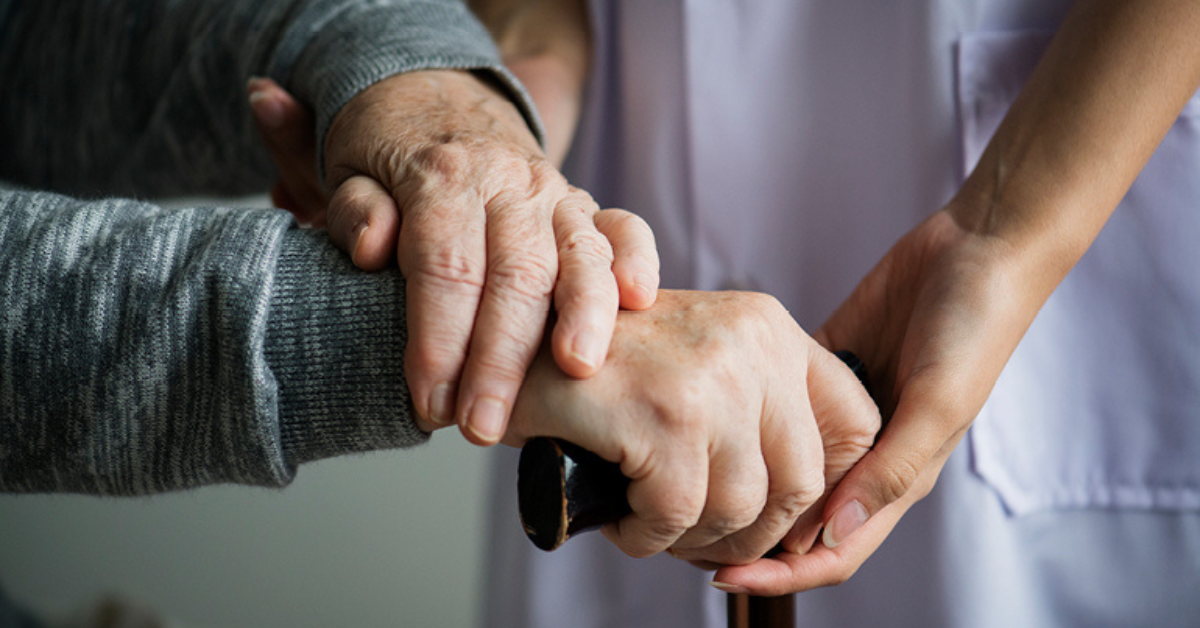
There’s a tendency to think of Parkinson’s disease in terms of its most recognizable symptoms: tremors, stiffness, slowed movement, and difficulty walking. But some of the more consequential changes happen in the ordinary moments of daily life, long before someone requires extensive assistance.
This variability is part of what makes Parkinson’s care at home so individual. The condition doesn’t progress according to a predictable schedule, and the amount of support someone needs isn’t always reflected in their diagnosis or how long they’ve been living with it.
For many people, the question of when to introduce professional care comes down to something more practical: Which parts of everyday life are becoming harder to manage, and could the right assistance make them easier?
That’s where Parkinson’s care at home can play a meaningful role. For more than 25 years, Health at Home has helped South Florida residents access personalized private duty home care and Medicare-certified home health services, providing support that accounts for individual abilities, changing needs, and the routines people want to maintain.
When Should Someone With Parkinson’s Consider In-Home Care?
There’s no universal point in Parkinson’s disease when professional caregiving becomes necessary. Although the condition is progressive, symptoms don’t advance at the same rate or affect the same abilities in everyone. Someone who has lived with Parkinson’s for many years may still manage most activities independently, while another person may need considerable assistance much earlier.
The Parkinson’s Foundation describes Parkinson’s as a neurological condition that affects movement and can also influence sleep, cognition, mood, and other aspects of health. Understanding this broader picture is useful because the need for assistance isn’t always driven by visible movement difficulties.
When evaluating whether Parkinson’s care at home care could be beneficial, consider how reliably someone can manage daily activities, whether safety concerns have developed, and how much assistance they’re already receiving from a spouse or relative.
Several changes are particularly worth discussing.
1. Personal Care Is Becoming More Physically Demanding
One of the less obvious effects of Parkinson’s is the amount of effort that familiar activities can begin to require. Fine motor difficulties may make fastening buttons or handling small objects frustrating, while rigidity and slower movement can complicate bathing, dressing, and getting out of bed.
Initially, these activities may simply take longer. Over time, however, the physical effort involved can leave someone fatigued before the rest of their day has begun.
Personal care assistance can help address these difficulties without unnecessarily taking over activities someone is still capable of completing. A caregiver may help with the more physically demanding parts of a routine, offer additional time, and encourage participation according to the individual’s abilities and safety needs.
2. Walking and Balance Have Become Less Predictable
Parkinson’s can affect walking in ways that aren’t always obvious during a brief medical appointment. Smaller steps, difficulty turning, changes in posture, and trouble initiating movement can complicate navigation around the home.
Some individuals also experience freezing of gait, a temporary inability to move despite intending to walk. These episodes can increase fall risk and may become more frequent as the disease progresses.
A fall, repeated near-falls, or new difficulty transferring between surfaces should prompt a conversation with a healthcare professional. Physical and occupational therapists can evaluate mobility, identify environmental hazards, and recommend appropriate strategies or equipment.
Professional caregivers can then provide assistance with everyday movement based on the established care plan and their training. Recognizing these needs early may help reduce avoidable safety risks while allowing the individual to remain active within appropriate limits.
3. Medication Timing Is Affecting the Daily Schedule
Parkinson’s medications often require careful scheduling, and their effectiveness can fluctuate over the course of a day. Some people experience periods when their medication provides good symptom control, followed by intervals when movement becomes more difficult or symptoms return.
These fluctuations are commonly referred to as on and off periods.
For someone living with Parkinson’s, the difference may be substantial. They might move around the house comfortably shortly after medication takes effect but find walking, dressing, or preparing a meal considerably harder as the next dose approaches.
This introduces an important consideration for home care: assistance may be more valuable at certain times than others.
A caregiver might provide appropriate medication reminders, assist during periods of reduced mobility, or help maintain an organized daily schedule. Licensed nursing professionals can address medication management and clinical concerns when those services are appropriate and authorized.
4. Household Responsibilities Are Consuming Too Much Energy
The physical demands of Parkinson’s aren’t limited to walking or personal care. Grocery shopping, cooking, changing bed linens, doing laundry, and keeping up with routine cleaning can become increasingly tiring as movement and endurance change.
This creates a practical question about how someone wants to use their energy.
If preparing meals and maintaining the house leave little energy for exercise, social activities, or personal interests, delegating selected tasks may make everyday life more enjoyable.
Private duty home care can include assistance with meal preparation, errands, light housekeeping, and other household responsibilities. For individuals who remain largely independent, these services may be all that’s needed to make daily life more manageable.
5. A Spouse or Relative Has Quietly Become the Primary Caregiver
Parkinson’s affects relationships and household responsibilities as well as individual health. A spouse may begin helping with dressing, providing transportation, organizing medications, or assisting with mobility, often without considering these activities part of a formal caregiving role.
Over time, the responsibilities can evolve and expand. The Parkinson’s Foundation’s resources for care partners recognize the importance of caregiver education, planning, and personal well-being throughout the disease.
When a spouse is providing frequent physical assistance, managing most household responsibilities, or having difficulty attending to their own needs, outside support may be worth exploring.
Professional home care can provide respite, share demanding activities, and give the person receiving care another dependable source of assistance. It also creates opportunities for family members to maintain their relationships and participate in activities outside their caregiving responsibilities.
Why the Timing of Parkinson’s Care at Home Matters
Home care schedules are often discussed in terms of hours per week. With Parkinson’s disease, however, the timing of those hours deserves particular attention.
Motor fluctuations can make someone’s abilities quite different from one part of the day to another. Morning stiffness may complicate getting dressed, while fatigue or medication-related off periods can make late afternoons more demanding.
These patterns can influence when professional assistance would be most useful.
Consider someone who manages personal care independently after their morning medication takes effect but experiences difficulty preparing dinner or moving safely through the house later in the day. Scheduling help exclusively during the morning might offer less practical value than arranging assistance around the more challenging period.
For another individual, early morning care may be particularly helpful because getting out of bed, bathing, and dressing are consistently difficult.
A thoughtful care plan should account for these differences rather than assuming that all Parkinson’s patients benefit from the same schedule.
At Health at Home, our free in-home assessment considers daily routines, mobility needs, and periods when additional support would be most beneficial. We can also work within the recommendations established by the individual’s healthcare providers, particularly when medication schedules or therapy programs influence daily functioning.
What Types of Parkinson’s Care Are Available at Home?
Parkinson’s care at home may involve a combination of practical assistance, personal care, clinical services, and rehabilitation. The appropriate arrangement depends on the individual’s abilities, medical needs, and existing support.
It’s helpful to understand the different services available before deciding how much care to arrange.
Personal Care and Mobility Assistance
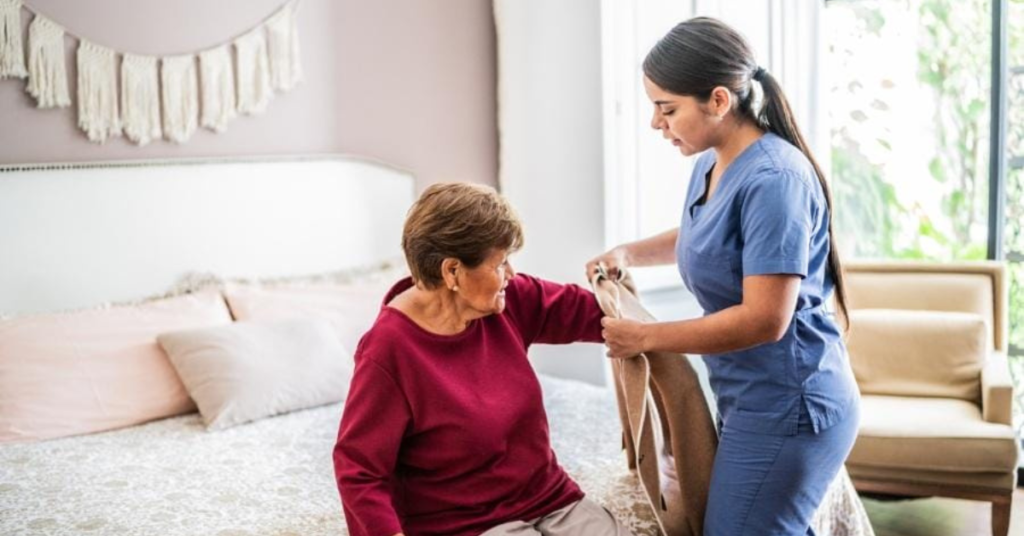
Private duty caregivers assist with bathing, dressing, grooming, toileting, transfers, and other personal routines. Assistance can be tailored to the activities that have become difficult while continuing to encourage safe participation and independence.
Companion Care and Transportation
Parkinson’s can make outings and social activities more complicated, particularly when fatigue, balance difficulties, or transportation are concerns. Companion caregivers provide conversation, assistance with appointments and errands, and opportunities for meaningful engagement.
Household Assistance
Meal preparation, grocery shopping, laundry, and light housekeeping are among the responsibilities a caregiver can help manage. This type of assistance can be useful even when someone doesn’t require regular hands-on personal care.
Respite and 24-Hour Home Care
For households where a spouse or family member provides much of the daily care, scheduled professional assistance can offer opportunities for rest and personal time. Individuals with more substantial functional limitations may benefit from daily visits or 24-hour home care, depending on their circumstances.
Skilled Nursing
Some people living with Parkinson’s also have medical needs that require licensed nursing professionals. When clinically appropriate and eligibility requirements are met, Medicare-certified home health services may include skilled nursing assessments, medication management, patient education, and coordination with physicians.
Physical, Occupational, and Speech Therapy
Rehabilitation can play a valuable role throughout Parkinson’s disease, including stages when someone remains highly independent. Physical, occupational, and speech therapy can be important resources for addressing movement, daily functioning, communication, and swallowing concerns.
Physical therapists may help with walking, balance, mobility, and appropriate exercise. Occupational therapists can recommend strategies or adaptations for personal care and household activities, while speech-language pathologists address voice, communication, and swallowing difficulties.
Health at Home offers these therapies through its Medicare-certified home health services for qualifying individuals when prescribed and clinically appropriate.
What About Parkinson’s Symptoms Beyond Movement?
Tremors and walking difficulties tend to receive much of the attention in discussions about Parkinson’s disease. Yet non-movement symptoms can also influence daily functioning and the level of care someone requires.
Changes in sleep, mood, attention, thinking, and communication may create challenges that aren’t immediately apparent to people outside the household. Some individuals experience constipation, blood pressure changes, or other symptoms that require ongoing medical management.
These symptoms are important because additional nonmedical assistance may not address the underlying problem. New swallowing difficulties, changes in cognition, or significant changes in symptoms should be reported to the appropriate healthcare provider. Sudden confusion or abrupt deterioration requires prompt medical assessment, while severe choking or breathing difficulty is an emergency.
Once clinical concerns have been evaluated, in-home caregivers can support daily routines, follow prescribed assistance plans within their scope, and communicate relevant observations to the care team.
How Health at Home Approaches Parkinson’s Care at Home in South Florida
Managing Parkinson’s over time often involves adapting everyday routines, coordinating medical recommendations, and deciding when additional assistance would be useful. Those decisions benefit from an understanding of the individual rather than relying on the diagnosis alone.
For more than 25 years, Health at Home has provided personalized home care across Palm Beach, Broward, Martin, St. Lucie, and Indian River counties.
Our approach begins with a free in-home assessment. We consider how Parkinson’s affects everyday functioning, which activities require assistance, how symptoms fluctuate throughout the day, and what support is already available.
From there, we can recommend an individualized care plan that may include:
- Personalized daily assistance: Help with personal care, mobility, meal preparation, and household responsibilities
- Caregiver familiarity: Trained, background-checked agency employees supported by professional oversight
- Flexible scheduling: Private duty visits beginning at four hours, with more comprehensive options available as needs require
- Family communication: Appropriate updates and coordination with designated family contacts
- Skilled clinical services: Medicare-certified home health, including nursing and rehabilitative therapies for qualifying patients
- Connected care: Private duty and skilled home health services available through one organization
Looking for Parkinson’s Care at Home in South Florida?
When personal routines demand more physical effort, mobility becomes less reliable, medication fluctuations complicate the day, or household duties become difficult to sustain, professional support may be worth considering.
A conversation can help identify practical improvements, clarify which services are available, and make future planning less complicated.
Health at Home offers free in-home assessments for individuals and families throughout South Florida. We’ll discuss your current circumstances, explain the differences between private duty and skilled home health services, and recommend an arrangement based on your needs.
Contact Health at Home today to learn how Parkinson’s care at home can help you continue enjoying the activities, relationships, and daily life that are important to you.