Click here to apply to be a caregiver

7 Ways to Protect Your Marriage From Caregiver Burnout

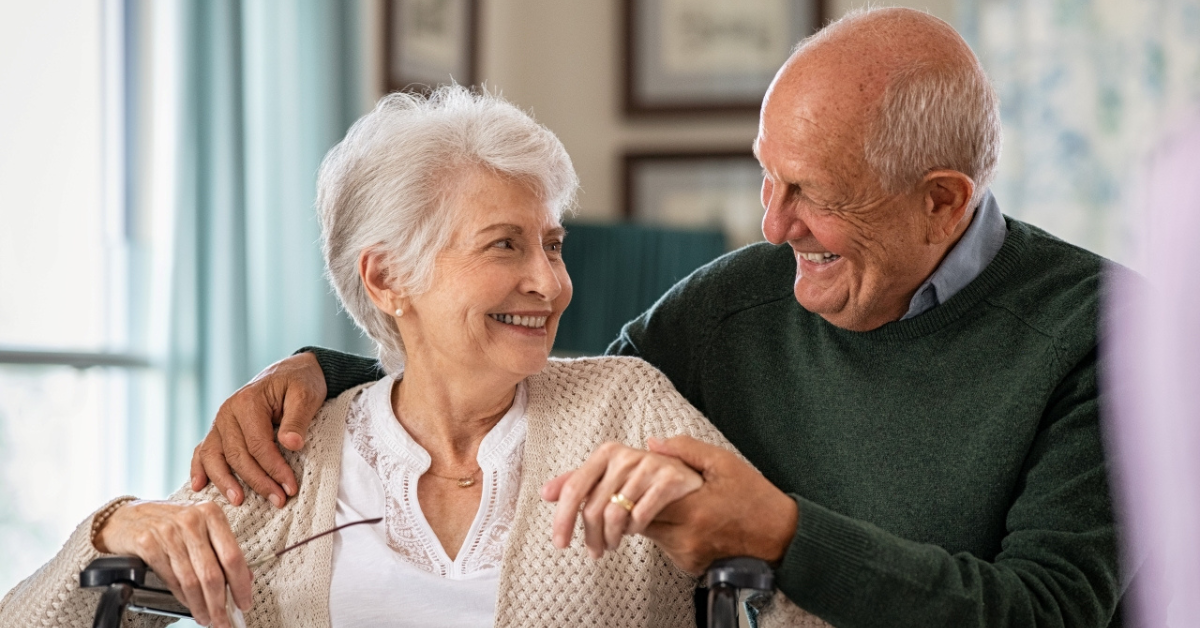
couple aging in place needing home care in florida

You didn’t fall in love with a role. You fell in love with a person. And while you take “in sickness and in health” to heart, somewhere between managing medications, coordinating appointments, and losing sleep, the person you married starts to feel less like your partner and more like your patient. Caregiver burnout doesn’t have to take over your relationship. But it does require more than just pushing through. It often means rethinking how care gets done. That might look like bringing in a skilled nurse to assist with wound care, ensuring ultimate safety, or private duty caregiver for a few hours a week so you can step away without worry. When you stop trying to do everything alone, you create space to show up as a partner again, not just a caregiver. The Caregiver Role Reversal: What It Really Feels Like There’s no ceremony that marks the moment you become your spouse’s caregiver. It happens one extra task at a time.  One harder morning. One more thing only you can handle. Then one day, you realize your relationship dynamic has changed. Emotional Grief for the Relationship You Had This loss doesn’t always look like grief. It can feel like frustration, exhaustion, or a low hum of sadness that’s hard to name.  Many spousal caregivers mourn the relationship they once had. The spontaneous weekends. The easy conversations. The sense of equality. Grief counselors call this “ambiguous loss.” It’s one of the most complex parts of family caregiving. Your spouse is still here, but the relationship has changed. Naming that grief helps you start managing it. When Love and Duty Start to Blur Caring for a spouse often blurs the line between love and obligation. You’re doing this because you love them. But love and resentment can exist at the same time. Many caregivers feel ashamed of that tension. Feeling resentful doesn’t mean you love your spouse less. It means you’re overloaded. This overlap between love and duty is one of the most common caregiving experiences and is a clear indicator of growing caregiver burnout. How Intimacy and Communication Change Caregiving reshapes the physical and emotional dynamic of a marriage. Daily caregiving tasks like bathing, dressing, and managing symptoms make it difficult to shift into a romantic mindset. Many spousal caregivers see a decrease in physical intimacy because their body and mind stay in caregiver mode. That doesn’t mean your relationship is broken. Naming it directly, especially with a therapist who understands caregiving, can help you both navigate it. Talking About Needs Without Resentment Communication often breaks down because both partners feel overwhelmed. The caregiving spouse may hold back their needs. The spouse receiving care may feel guilt or frustration and struggle to say what they actually need. A few strategies: Signs of Caregiver Burnout in Spouses Caregiver burnout is physical, emotional, and mental exhaustion that builds when demands exceed your capacity. Spousal caregivers often overlook they  Physical Signs of Caregiver Burnout: Emotional Signs of Caregiver Burnout: Social Signs of Caregiver Burnout: Why Spouses Often Delay Asking for Help If you’ve been telling yourself you should be able to handle this on your own, you’re not the only one. A lot of caregivers feel that way. It can feel like bringing in help means you’re falling short as a partner. Like you’re supposed to manage the medications, the appointments, the bad nights, and still be everything your spouse needs without missing a step. You’re not. And getting help doesn’t say anything negative about your love or your commitment.  It says you care enough to make sure your spouse is supported in a way that’s actually sustainable. Caregiver burnout is normal and nothing to be ashamed of. Bringing in-home care support, even for a few hours, doesn’t replace you. It supports both of you. 7 Ways to Protect Your Relationship While Caregiving 1. Schedule Non-Caregiver Time Together Set aside at least 30 minutes a day where caregiving isn’t the focus. Watch a show, share a meal, or sit outside. Focus on being partners. Put it on the calendar and treat it as non-negotiable. 2. Set Boundaries as a Caregiving Couple Boundaries make care sustainable. Set aside hours for caregiving conversations, deciding what you can handle and what requires help. Be clear about your limits. Boundaries are there to protect both you and your partner. 3. Bring in Outside Help. It’s a Strategic Decision Hiring private duty care in Florida protects your marriage, your health, and your ability to keep showing up. A professional caregiver can assist with personal care, companionship, medication reminders, or memory care. That gives you space to step back into your role as a partner. 4. Stay Connected to Your Own Identity Caregiving can take over your identity if you let it. Keep at least one part of your life that’s just yours, whether that’s a hobby, a friendship, or a weekly routine. Something as simple as taking a 10-minute walk with a neighbor can give you time to connect to the world outside of your home and renew your sense of self. 5. Find Caregiver Support Outside Your Home Support groups connect you with people who actually get it. They reduce isolation and offer practical insight. Seeing your partner age and taking care of them can feel lonely at times. Community is out there though – to be a sounding board or quiet support when needed. 6. Talk to a Professional, Together or Separately A therapist who understands caregiving can help you process what’s happening and improve communication. Couples therapy can help you rebalance the relationship. 7. Plan for the Future Together Uncertainty adds stress. Talking through care needs, finances, and quality of life expectations helps you stay aligned and regain a sense of control. It’s a way to honor each other as you enter what may be a short stint of extra home care or an entirely new phase of life. How Private Duty Care in Indian River County Can Help Protect Your Relationship Private duty care

How to Recognize Caregiver Burnout: 9 Signs to Watch

woman with caregiver burnout sitting on couch with stressful look on face and hand on face

They raised you. Took care of everything. Made life feel safe, supported, and manageable, even when it wasn’t. But at some point, the visits start revealing things. A fridge that isn’t stocked the way it used to be. A story told twice in the same conversation. A hesitation on the stairs that wasn’t there last year. Or, something bigger stops you in your tracks. A fall, a hospital stay, a moment that makes your stomach drop and everything feel suddenly, undeniably real. You start showing up more. Doing more. And somewhere in the middle of all of it, a quiet thought starts to creep in – “I don’t know how long I can keep doing this.” Providing care for aging parents, spouses, or loved ones can be deeply rewarding, but it can also be exhausting. It’s called caregiver burnout, and it’s very real. Nearly 1 in 4 American adults is acting as a primary caregiver. On average, they spend 25-27 hours a week helping a loved one. That’s on top of full-time jobs, raising children, and managing a household. So, it’s no surprise that 64% of family caregivers report high emotional stress.  Without support, stress compounds. Guilt comes to the surface and both the caregiver and the person receiving care feel the impact. Recognizing the signs of caregiver burnout early and when it’s time to call in the assistance of a professional in-home caregiver, can help protect your health while ensuring your loved one continues receiving the attention they need.  Who is a Caregiver? A caregiver is anyone who provides support to a senior adult who needs help with daily living. For many families, care for aging parents or loved ones begins unexpectedly. A fall, illness, surgery, or chronic condition may necessitate additional support. Nearly half of the care recipients in the U.S. are over the age of 75 with multiple chronic health conditions. Caregivers step in to help with:  Some families depend on relatives to fill this role. Others explore private home care services, like intermittent or around-the-clock home care or home health care. While family caregiving can feel like a natural choice, the demands can become overwhelming over time, especially for long-distance caregiving or when care is needed around the clock. What is Caregiver Burnout? Caregiver burnout is a state of physical, mental, and emotional exhaustion when taking care of someone else. In addition to exhaustion, caregivers can feel: Burnout often develops when a caregiver can’t prioritize their own needs for long periods of time. When energy is spent toward a loved one’s well-being, personal health, relationships, and rest are put on the back burner. Unfortunately and understandably, caregiver burnout is extremely common. More than 60% of caregivers report experiencing symptoms of burnout. However, recognizing the early signs can help families find solutions and support. What Caregiver Burnout Looks Like in Real Life What caregiver burnout often looks like in real life, even if no one says it out loud: And the hardest part is that you love them. You want to be there for them. But trying to carry all of this on your own changes things. It’s exhausting, and over time, it starts to take a toll on both of you. The time you have with them should be something you can be present for, not something you’re just trying to get through. You were never meant to do this alone. 9 Common Signs of Caregiver Burnout Difficulty Managing Emotions You may feel emotionally drained or notice your emotions shifting quickly from calm to frustration or sadness. Providing consistent stability and support for another adult can impact your mental health, slowly wearing down your emotional resilience. Physical Exhaustion Caregiving can involve significant physical effort. Assisting with mobility, managing exercises, and maintaining the household can strain the body over time. Aches, fatigue, and difficulty getting out of bed may indicate that the demands of caregiving are becoming too much. Loss of Interest or Motivation When caregiving consumes most of your time and energy, activities you once enjoyed may start to feel overwhelming. Hobbies, social events, and personal time often disappear, which can lead to isolation and loneliness. Feelings of Hopelessness Some caregivers begin to feel like they will never catch a break. Even small tasks feel exhausting, and the idea of stepping away from caregiving can bring feelings of guilt. Hopelessness may show up through changes in attitude, negative self-talk, or a sense that the situation will never improve. Changes in Weight Because caregivers often place themselves last, nutrition and self-care may fall by the wayside. Skipping meals, eating quick convenience foods, or losing your appetite entirely can lead to noticeable weight changes.  Changes in Sleeping Patterns Many caregivers become hypervigilant when providing 24-hour home care, always listening for movement or signs their loved one needs help. Stress and anxiety can make it difficult to fall asleep or stay asleep, leading to ongoing fatigue and mental fog.  Headaches, Muscle Pain, and Digestion Issues Chronic stress can show in the body. Headaches, muscle tension, digestive issues, and other physical symptoms may appear when the demands of caregiving become overwhelming. Frequent Illness When the body is under prolonged stress and not receiving enough rest or proper nutrition, the immune system weakens. Caregivers experiencing burnout may notice they get sick more often. In turn, they’re not able to provide the quality of care they want their loved one to receive. Feelings of Self-Blame or Guilt Many caregivers believe they should be able to handle everything on their own. They may feel guilty for becoming frustrated or for considering outside help. Thinking about 24-hour home care is not a sign of failure. In many cases, bringing in professional support allows families to focus on spending meaningful time together rather than managing every aspect of care alone. Preventing Caregiver Burnout with Professional In-Home Care  Caring for a loved one doesn’t have to come at the expense of your own health. Professional private home care can give families the relief and peace of mind they need while